


The following text is an article about “Signals Shaping Tomorrow: The Evolution of Human-AI Collaboration Ethics”.
The integration of artificial intelligence (AI) into human society is no longer a distant prospect but a present reality. As AI systems become more sophisticated and ubiquitous, they are increasingly moving beyond mere tools to become collaborators, participating in tasks ranging from medical diagnosis and scientific research to creative endeavors and everyday decision-making. This evolving landscape necessitates a robust and adaptable framework of ethical considerations to guide the development and deployment of these collaborative systems. The ethics of human-AI collaboration represent a complex and dynamic field, one that is constantly being shaped by new technological advancements and unforeseen societal impacts. Understanding the signals guiding this evolution is crucial for navigating the future responsibly.
The ethical considerations surrounding human-AI collaboration are not entirely novel; they draw upon and extend established ethical principles. However, the unique nature of AI as an autonomous or semi-autonomous entity introduces new dimensions to these discussions.
Autonomy and Agency
At its core, the concept of autonomy pertains to self-governance and the capacity for independent decision-making. In human-AI collaboration, this raises questions about the degree of autonomy granted to AI systems and the implications for human oversight. When an AI system can make decisions without direct human intervention, the ethical responsibility for those decisions becomes a focal point.
Defining Human Control
The extent to which humans retain meaningful control over AI actions is a critical ethical determinant. This control can range from direct supervision, where humans approve each AI-generated output, to more abstract oversight, where humans set parameters and monitor for deviations. The challenge lies in defining “meaningful” control in scenarios where AI operates at speeds and scales beyond human comprehension.
The Specter of De-skilling
As AI systems become more proficient in tasks previously performed by humans, there is a concern that human skills may atrophy. This “de-skilling” effect can have profound societal consequences, impacting employment, individual self-worth, and the overall human capacity to engage with complex problems independently. Ethical frameworks must consider how to foster continuous human learning and adaptation in the face of AI capabilities.
Accountability and Responsibility
When an AI system is involved in a decision that leads to a negative outcome, the question of who is accountable becomes paramount. Assigning responsibility in a collaborative scenario, where contributions are distributed between human and AI, is a significant ethical challenge.
The Black Box Problem
Many advanced AI systems, particularly deep learning models, operate as “black boxes.” Their internal decision-making processes can be opaque, making it difficult to trace the exact reasons behind a particular output. This opacity complicates the assignment of blame and hinders efforts to learn from mistakes or prevent future occurrences.
Legal and Moral Responsibility
Distinguishing between legal accountability (who is liable in a legal sense) and moral responsibility (who is blameworthy from an ethical perspective) is essential. Current legal frameworks are often ill-equipped to handle the complexities of AI-induced harms. Ethical discussions are thus crucial in shaping future legal doctrines and societal norms.
Fairness and Bias
AI systems learn from data, and if that data reflects existing societal biases, the AI will likely perpetuate and even amplify those biases. This is a particularly acute concern in collaborative settings where biased AI outputs can lead to discriminatory outcomes for individuals or groups.
Data Integrity and Representation
Ensuring that the data used to train AI systems is representative and free from systemic biases is a foundational ethical imperative. This requires meticulous attention to data collection, curation, and auditing processes.
Algorithmic Discrimination
Even with unbiased data, the design of algorithms themselves can inadvertently lead to discriminatory outcomes. Ethical review processes must scrutinize algorithms for potential biases and implement mitigation strategies.
In exploring the intricate dynamics of human-AI collaboration, a pertinent article to consider is “Navigating the Ethical Landscape of AI: Challenges and Opportunities.” This piece delves into the ethical implications of AI technologies and their impact on society, complementing the insights presented in “Signals Shaping Tomorrow: The Evolution of Human-AI Collaboration Ethics.” For further reading, you can access the article [here](https://bywilliams.net/privacy-policy/).
The Evolving Landscape of Human-AI Interaction
The nature of human-AI collaboration is not static; it is a continuously unfolding narrative. The ways in which humans and AI interact are diverse and expanding, each presenting its own unique ethical considerations.
Human-in-the-Loop Systems
These systems are characterized by direct human involvement at various stages of the AI’s operation. Humans provide input, supervise decisions, or correct errors, acting as a crucial element in the AI’s workflow.
Supervisory Roles
In supervisory roles, humans monitor AI systems and intervene when necessary. This is common in applications like autonomous vehicles or AI-assisted medical diagnostics, where human judgment remains critical for ensuring safety and accuracy.
Data Annotation and Labeling
Many AI systems, especially those in machine learning, rely on humans to label and annotate data, which then trains the AI. This process, while essential, raises questions about fair labor practices and the acknowledgment of human contribution.
Human-on-the-Loop Systems
In these systems, humans are not directly involved in every operational decision but are available to intervene if the AI encounters unexpected situations or fails to perform as intended.
Exception Handling
AI systems are designed to handle a wide range of scenarios. However, there will always be edge cases or novel situations that the AI has not been trained on. Human-on-the-loop systems ensure that a human expert can step in when the AI reaches its limits.
Performance Monitoring and Auditing
Even when an AI system operates autonomously, human oversight remains vital for monitoring its performance over time, identifying drifts in accuracy, and conducting audits to ensure compliance with ethical standards.
Human-out-of-the-Loop Systems
These are the most autonomous AI systems, designed to operate and make decisions entirely without human intervention. While offering potential for efficiency and speed, they also present the most significant ethical challenges.
Fully Autonomous Decision-Making
Applications such as automated trading systems or autonomous weapon systems fall into this category. The ethical implications of granting AI complete autonomy in critical decision-making processes are a subject of intense debate.
Long-term Strategic AI
As AI systems become more capable of long-term planning and strategic decision-making, the implications for human agency and control become increasingly complex. Ensuring alignment with human values and goals over extended periods is a significant challenge.
Emerging Ethical Dilemmas in Collaborative AI

As human-AI collaboration matures, new and increasingly nuanced ethical dilemmas are surfacing. These require proactive engagement and innovative solutions.
The Nature of Trust and Reliance
Trust is a cornerstone of any collaborative relationship. In human-AI collaboration, building and maintaining appropriate levels of trust is crucial. Over-reliance or under-reliance on AI can both lead to negative consequences.
Building Trustworthiness
AI systems need to be designed to be reliable, predictable, and transparent to foster trust. This involves not just technical accuracy but also clear communication about their capabilities and limitations.
The Fragility of Trust
Trust, once broken, is difficult to mend. When an AI system fails or exhibits bias, the erosion of trust can have significant repercussions for its adoption and effectiveness.
The Impact on Human Creativity and Innovation
AI’s ability to generate novel content, from art and music to scientific hypotheses, is transforming creative industries. This raises questions about authorship, originality, and the future of human creative expression.
AI as a Creative Partner
When AI acts as a partner in the creative process, it can augment human creativity. However, defining the boundaries of contribution and ensuring that human artists are not displaced is an ethical consideration.
The Value of Human Ingenuity
In a world where AI can produce sophisticated creative outputs, there is a growing need to re-evaluate and emphasize the unique value of human ingenuity, lived experience, and emotional depth in creative endeavors.
The Blurring of Professional and Personal Boundaries
As AI integrates into more aspects of life, the lines between professional and personal use, and between human and machine interaction, can become blurred.
AI Companionship and Emotional Labor
The development of AI companions capable of providing emotional support raises questions about the nature of genuine connection and the potential for exploitation of human emotional needs.
Digital Identity and AI Representation
When AI systems are used to represent individuals or organizations online, questions arise about authenticity, potential for deception, and the ethical management of digital identities.
Navigating the Future: Towards Responsible Human-AI Collaboration
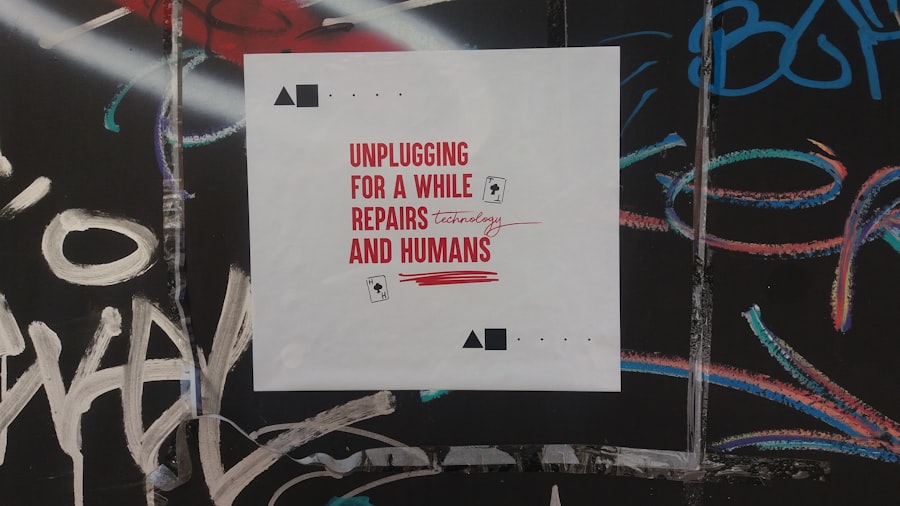
The evolution of human-AI collaboration ethics is an ongoing process, requiring continuous reflection and adaptation. A proactive approach is essential to ensure that this evolution benefits humanity.
Ethical Frameworks and Governance
Developing comprehensive ethical frameworks and robust governance structures is vital for guiding the responsible development and deployment of collaborative AI.
International Cooperation and Standards
Given the global nature of AI development, international cooperation is essential for establishing common ethical principles and standards that transcend national borders.
Regulatory Approaches
Governments and regulatory bodies have a crucial role to play in creating legal and regulatory frameworks that address the unique challenges posed by human-AI collaboration, ensuring accountability and protecting human rights.
Education and Public Discourse
Fostering public understanding and engaging in open discourse about the ethical implications of AI are critical for informed decision-making and societal acceptance.
AI Literacy
Promoting AI literacy among the general public is essential for demystifying AI technology and empowering individuals to participate meaningfully in discussions about its ethical implications.
Inclusive Deliberation
Ensuring that diverse voices and perspectives – from philosophers and ethicists to technologists, policymakers, and the general public – are included in ethical deliberations will lead to more robust and equitable outcomes.
Continuous Evaluation and Adaptation
The dynamic nature of AI necessitates a commitment to continuous evaluation and adaptation of ethical guidelines. What is considered ethical today may need to be re-evaluated as AI capabilities advance. This iterative process is akin to a gardener tending to a complex ecosystem, constantly observing, pruning, and nurturing to ensure healthy growth.
Post-deployment Monitoring
Once AI systems are deployed, ongoing monitoring of their performance, impact, and potential unintended consequences is crucial. This includes mechanisms for identifying and rectifying ethical failures.
Future-proofing Ethical Design
Ethical considerations must be embedded in the AI design process from the outset, rather than being an afterthought. This “ethics by design” approach anticipates future challenges and builds in safeguards from the beginning.
The journey of human-AI collaboration is a grand experiment, and its ethical underpinnings are the compass and sextant guiding our voyage. The signals we perceive today in the whispers of evolving algorithms, the debates in boardrooms and academic halls, and the murmurings of public concern are shaping the ethical currents that will define our shared future with intelligent machines. By understanding these signals, engaging in thoughtful deliberation, and committing to responsible innovation, we can steer towards a future where human-AI collaboration is not only technologically advanced but also ethically sound and beneficial for all.