

This article aims to provide a factual overview of the book published as Strength and Vitality Journal: Plant-Based Nutrition for High-Performance Athletes. The journal, authored by [Author’s Name(s) – if known, otherwise omit or state “by its creators”], serves as a guide and resource for athletes seeking to optimize their performance and recovery through a plant-based dietary approach. It presents information and practical tools, rather than offering anecdotal evidence or unsubstantiated claims.
The core concept underpinning Strength and Vitality Journal is the potential for a well-planned plant-based diet to support and enhance athletic performance. This approach moves away from traditional dietary models that often emphasize animal products for protein and other nutrients. The journal seeks to demystify the process, offering a framework for athletes to adopt and sustain a plant-based lifestyle without compromising their training or competitive goals. It operates on the principle that a nutrient-dense diet, rich in fruits, vegetables, whole grains, legumes, and nuts, can provide the necessary building blocks for muscle repair, energy production, and overall physiological resilience.
Defining “Plant-Based” in an Athletic Context
In the context of this journal, “plant-based” typically refers to a diet that is predominantly or entirely derived from plant sources. This can encompass several dietary patterns, including veganism (excluding all animal products), vegetarianism (which may include dairy and eggs), and flexitarianism (where plant-based foods form the majority of the diet, with occasional inclusion of animal products). The journal likely addresses these nuances, differentiating the potential benefits and considerations for each variation as it pertains to athletic demands.
The Spectrum of Plant-Based Diets
- Veganism: This is the most restrictive form, excluding all animal-derived foods, including meat, poultry, fish, dairy, eggs, and honey. For athletes adopting this approach, careful attention must be paid to nutrient intake, particularly protein, vitamin B12, iron, calcium, vitamin D, and omega-3 fatty acids.
- Vegetarianism: This category allows for the consumption of dairy products (lacto-vegetarian), eggs (ovo-vegetarian), or both (lacto-ovo vegetarian). While offering a broader range of food options, these athletes still need to ensure adequate intake of specific micronutrients.
- Flexitarianism: This approach emphasizes plant foods but allows for infrequent consumption of meat, poultry, or fish. It can serve as a transitional phase for athletes less inclined towards strict vegan or vegetarian diets, offering a gradual shift towards a more plant-centric eating pattern.
The Role of Plant-Based Foods in Athletic Performance
The journal likely highlights the inherent advantages of plant-based foods. These foods are often packed with complex carbohydrates, which are the body’s primary source of sustained energy. They also provide a rich array of vitamins, minerals, antioxidants, and fiber, all of which play crucial roles in athletic function. Antioxidants, for instance, can help combat oxidative stress generated by intense exercise, potentially aiding in recovery and reducing inflammation. Fiber, while not directly an energy source, contributes to digestive health, which is vital for nutrient absorption.
Macronutrient Considerations for Plant-Powered Athletes
- Carbohydrates: The foundation of an athlete’s diet, carbohydrates from whole grains, fruits, and starchy vegetables provide readily available glucose for muscle glycogen stores. The journal will likely advocate for complex carbohydrates over refined sources to ensure sustained energy release.
- Protein: A perennial concern for athletes, obtaining sufficient protein on a plant-based diet is addressed by combining various plant protein sources throughout the day. Legumes (beans, lentils, peas), tofu, tempeh, seitan, nuts, and seeds are presented as key contributors. The journal likely emphasizes the importance of protein complementarity – consuming a variety of sources to ensure intake of all essential amino acids. For example, combining grains with legumes throughout the day can create a complete amino acid profile.
- Fats: Healthy fats, essential for hormone production, nutrient absorption, and inflammation regulation, are obtained from sources like avocados, nuts, seeds, and oils. The journal will likely guide athletes on incorporating sources of omega-3 fatty acids, often found in flaxseeds, chia seeds, hemp seeds, and walnuts, to support recovery and reduce inflammation.
In the latest edition of the Strength and Vitality Journal, the article titled “Plant-Based Nutrition for High-Performance Athletes” explores the benefits of a plant-based diet for enhancing athletic performance and recovery. For further insights on nutrition and its impact on health, you can check out a related article that discusses various dietary surveys and their implications for wellness at this link.
Strategies for Optimizing Performance
The journal likely moves beyond general dietary principles to offer actionable strategies for athletes. This section would focus on how to integrate plant-based nutrition into a training regimen, considering the unique demands of different sports and training phases. The aim is to provide a practical roadmap, not just theoretical discussions.
Pre-Workout Nutrition for Energy and Endurance
The period leading up to training or competition is critical for fueling the body. For plant-based athletes, this involves consuming easily digestible carbohydrates to top off glycogen stores. The journal will likely suggest specific food combinations that provide a steady release of energy without causing digestive discomfort.
Carbohydrate Loading and Pre-Exercise Meals
- Timing: The journal will likely advise on the optimal timing of pre-exercise meals, typically 1-4 hours before activity.
- Composition: Focus will be on easily digestible carbohydrates, with moderate protein and low fat and fiber to prevent gastrointestinal issues. Examples might include oatmeal with berries and a small amount of nuts, or a banana with a tablespoon of nut butter.
- Hydration: The importance of adequate fluid intake before, during, and after exercise is a paramount consideration for all athletes, regardless of dietary choice.
Intra-Workout Fueling: Sustaining Energy Levels
During prolonged or intense training sessions, replenishing energy stores becomes essential. The journal will likely outline strategies for consuming carbohydrates during such periods, helping athletes maintain pace and power.
Maintaining Performance Through Substituted Fuel
- Electrolytes and Carbohydrates: For events lasting over 60-90 minutes, the journal might suggest plant-based sources of electrolytes and carbohydrates, such as electrolyte drinks made with fruit juice, or energy gels derived from natural sugar sources.
- Digestibility: The focus will remain on easily digestible options to avoid stomach upset.
Post-Workout Recovery: Repair and Rebuilding
The recovery phase is where the body adapts to training and becomes stronger. The journal will likely emphasize the importance of timely nutrient intake, particularly protein and carbohydrates, to facilitate muscle repair and glycogen replenishment.
The “Anabolic Window” and Plant-Based Protein Sources
- Protein Synthesis: The journal will likely discuss the role of plant-based protein in stimulating muscle protein synthesis. It will probably advocate for consuming a complete spectrum of amino acids within a reasonable timeframe after exercise.
- Glycogen Replenishment: The combination of carbohydrates and protein in post-workout meals is crucial for restoring muscle glycogen stores and initiating the repair process. Examples could include a smoothie with plant-based protein powder, fruits, and leafy greens, or a meal of lentil soup with whole-grain bread.
Key Nutrients and Their Plant-Based Sources
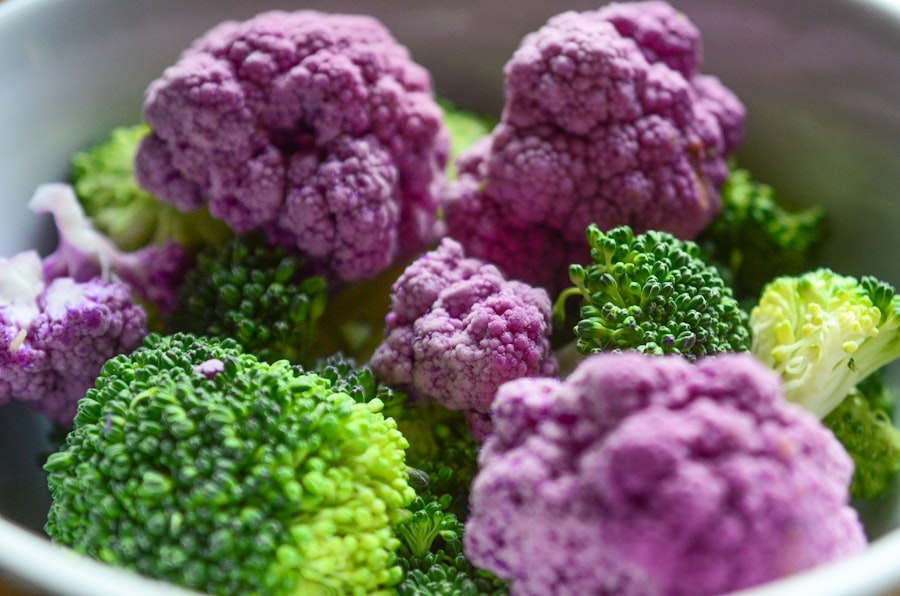
A significant portion of the journal would likely be dedicated to identifying and detailing essential nutrients and their plant-based origins. This section serves as a practical reference, empowering athletes to make informed food choices and potentially address any nutrient gaps.
Protein: Building Blocks for Muscle Growth
As mentioned earlier, protein is often a focal point for athletes questioning plant-based diets. The journal will likely provide a comprehensive list of plant-based protein sources, emphasizing variety and completeness.
Maximizing Protein Intake from Plants
- Legumes: Lentils, beans (black, kidney, pinto), chickpeas, and peas are excellent sources of protein and fiber.
- Soy Products: Tofu, tempeh, and edamame are complete proteins and versatile in cooking.
- Grains: Quinoa, amaranth, and buckwheat are also notable protein contributors and are complete proteins.
- Nuts and Seeds: Almonds, walnuts, chia seeds, flaxseeds, and hemp seeds offer protein and healthy fats.
- Seitan: Made from wheat gluten, seitan is a high-protein option, though it is not suitable for those with gluten intolerance.
Iron: Fueling Oxygen Transport
Iron is vital for oxygen transport in the blood, a critical factor for endurance and recovery. The journal will likely address the challenges of iron absorption from plant-based sources and provide strategies to enhance it.
Enhancing Non-Heme Iron Absorption
- Sources: Spinach, kale, lentils, beans, tofu, and fortified cereals are good sources of iron.
- Absorption Boosters: The journal will likely recommend consuming iron-rich foods with vitamin C-rich foods (e.g., citrus fruits, bell peppers, berries) to significantly improve the absorption of non-heme iron.
- Inhibitors: Conversely, it might advise moderating consumption of tea and coffee with iron-rich meals, as these can hinder absorption.
Vitamin B12: Essential for Nerve Function and Red Blood Cell Formation
Vitamin B12 is almost exclusively found in animal products. For plant-based athletes, supplementation or consumption of fortified foods is essential. The journal will likely stress its importance and practical solutions.
Ensuring Sufficient B12 Intake
- Fortified Foods: Nutritional yeast, plant-based milks, and some breakfast cereals are often fortified with B12.
- Supplementation: The journal will likely recommend a reliable B12 supplement as the most straightforward and effective method for ensuring adequate intake. Regular blood tests may be advised to monitor levels.
Calcium and Vitamin D: Bone Health and Beyond
Calcium is crucial for bone strength, and Vitamin D aids in calcium absorption. The journal will likely explore plant-based sources and strategies for ensuring sufficiency.
Plant-Based Pathways to Strong Bones
- Calcium Sources: Leafy green vegetables (kale, collard greens), fortified plant milks and juices, tofu set with calcium sulfate, and almonds are good sources.
- Vitamin D Sources: Sunlight exposure is a primary source. Fortified plant milks, some mushrooms exposed to UV light, and supplements are other options. The journal may recommend a vitamin D supplement, especially during seasons with limited sun exposure.
Omega-3 Fatty Acids: Anti-inflammatory Powerhouses
Omega-3 fatty acids, particularly EPA and DHA, are known for their anti-inflammatory properties and role in recovery. The journal will likely guide athletes on obtaining these from plant-based sources.
Plant-Derived Omega-3s
- ALA Sources: Flaxseeds, chia seeds, hemp seeds, walnuts, and canola oil are rich in alpha-linolenic acid (ALA), a precursor to EPA and DHA.
- Conversion: The journal might acknowledge that the body’s conversion of ALA to EPA and DHA is not always highly efficient. It may therefore suggest considering an algae-based EPA/DHA supplement for direct intake.
Practical Application and Journaling Tools

Beyond nutritional information, Strength and Vitality Journal likely provides tools for athletes to translate knowledge into practice. This section would focus on the practical, day-to-day aspects of implementing a plant-based diet.
Meal Planning and Preparation
Effective meal planning and preparation are key to the success of any dietary change. The journal will likely offer guidance on how to approach this strategically.
Creating Balanced Plant-Based Meals
- Template Approach: The journal might suggest a visual template for meals, ensuring each contains a source of complex carbohydrates, protein, healthy fats, and plenty of vegetables.
- Batch Cooking: Strategies for preparing meals and snacks in advance to save time during busy training weeks will likely be covered.
- Grocery Shopping Lists: Guidance on creating efficient grocery lists focused on plant-based staples.
Tracking Progress and Making Adjustments
The “Journal” aspect of the title suggests a component of self-monitoring. This section would likely encourage athletes to track their food intake, energy levels, recovery, and performance to identify what works best for them.
The Journal as a Feedback Loop
- Food Diary: Encouraging detailed recording of meals, snacks, and hydration.
- Performance Metrics: Suggesting tracking key performance indicators like endurance times, strength gains, and perceived exertion.
- Subjective Well-being: Recording sleep quality, energy levels throughout the day, and recovery rates. This data can then be used to fine-tune the diet.
In the latest issue of the Strength and Vitality Journal, the article on Plant-Based Nutrition for High-Performance Athletes explores how a well-planned vegan diet can enhance athletic performance and recovery. For those interested in further reading, a related article can be found at this link, which delves into various plant-based meal strategies that support endurance and strength training. This resource complements the insights provided in the journal, offering practical tips for athletes looking to optimize their nutrition.
Potential Benefits and Considerations for Plant-Based Athletes
| Metric | Description | Value | Unit |
|---|---|---|---|
| Protein Intake | Daily protein consumption recommended for plant-based athletes | 1.6 – 2.2 | grams per kg body weight |
| Iron Absorption Rate | Average absorption rate of non-heme iron from plant sources | 5 – 12 | percent |
| Vitamin B12 Supplementation | Recommended daily dosage for plant-based athletes | 250 – 500 | micrograms (weekly) |
| Carbohydrate Intake | Daily carbohydrate consumption for endurance and recovery | 6 – 10 | grams per kg body weight |
| Omega-3 Fatty Acids | Recommended daily intake from plant-based sources | 1.1 – 1.6 | grams |
| Calcium Intake | Daily calcium requirement for bone health in athletes | 1000 – 1300 | milligrams |
| Hydration | Recommended daily water intake for high-performance athletes | 3.7 – 4.7 | liters |
| Antioxidant Intake | Daily servings of fruits and vegetables to support recovery | 5 – 9 | servings |
The journal will likely present a balanced view, outlining the advantages of plant-based nutrition for athletes while also acknowledging potential challenges and areas requiring careful attention.
The Upside of a Plant-Centric Approach
Plant-based diets are generally rich in fiber, antioxidants, and phytonutrients. This can contribute to lower inflammation, improved cardiovascular health, and enhanced recovery times. The journal will likely articulate these benefits as they relate directly to athletic performance and longevity.
Enhanced Recovery and Reduced Inflammation
- Antioxidant Power: The abundance of antioxidants in fruits, vegetables, and other plant foods can help neutralize free radicals produced during strenuous exercise, potentially reducing muscle damage and speeding up recovery.
- Phytonutrients: These plant compounds may offer further anti-inflammatory benefits, aiding in the management of exercise-induced inflammation.
Addressing Potential Nutrient Deficiencies and Challenges
As noted in previous sections, certain nutrients require more careful consideration on a plant-based diet. The journal would likely provide practical solutions and emphasize the importance of awareness.
Proactive Nutrient Management
- Individualized Needs: The journal will likely emphasize that nutritional requirements vary based on sport, training intensity, age, sex, and individual physiology.
- Professional Guidance: It may suggest consulting with a registered dietitian or sports nutritionist specializing in plant-based diets for personalized advice, especially for competitive athletes or those with specific health concerns. This is akin to having a skilled mechanic fine-tune a high-performance vehicle.
Conclusion: A Framework for Informed Plant-Based Athletics
Strength and Vitality Journal: Plant-Based Nutrition for High-Performance Athletes appears to be designed as a comprehensive resource, providing athletes with the knowledge and tools to successfully adopt and thrive on a plant-based diet. By focusing on evidence-based information, practical strategies, and self-monitoring, it aims to empower athletes to harness the potential of plant-based nutrition for enhanced performance, improved recovery, and overall well-being. The journal serves as a guide, not a definitive prescription, encouraging athletes to experiment, learn, and adapt its principles to their unique athletic journey.