


This article broadly outlines “The Me Time Method: Breathwork Fundamentals for Daily Mental Clarity” (TMM), a structured approach to utilizing breathwork for improved mental well-being. It details the theoretical underpinnings, practical techniques, and potential applications of TMM, aiming to provide a comprehensive and informative resource for individuals interested in exploring breathwork as a tool for mental clarity.
Mental clarity, in the context of TMM, refers to a state characterized by focused attention, reduced cognitive interference, and emotional regulation. It is a nuanced concept, encompassing more than just the absence of confusion. Consider it akin to a calm, clear pond, where thoughts are like ripples that settle quickly, allowing you to see the depths with precision, rather than a turbulent, muddy river.
Breathwork, a central pillar of TMM, involves the conscious and intentional manipulation of breathing patterns. While breathing is an autonomic bodily function, its deliberate alteration can influence physiological and psychological states. This is not a new discovery; various cultures and traditions have long recognized the connection between breath and mind.
The Autonomic Nervous System and Conscious Breathing
The autonomic nervous system (ANS) governs involuntary bodily functions, including heart rate, digestion, and respiration. It is divided into two primary branches: the sympathetic nervous system (SNS) and the parasympathetic nervous system (PNS).
- Sympathetic Nervous System (SNS): Often associated with the “fight or flight” response, the SNS prepares the body for action by increasing heart rate, blood pressure, and alertness. While essential for survival, chronic activation of the SNS can contribute to stress and anxiety, hindering mental clarity.
- Parasympathetic Nervous System (PNS): Conversely, the PNS, often termed the “rest and digest” system, promotes relaxation, conserves energy, and lowers heart rate and blood pressure. Activating the PNS is crucial for returning the body to a state of calm and facilitating cognitive function.
Conscious breathing techniques, as employed in TMM, provide a direct pathway to influence the ANS. By altering the pace, depth, and rhythm of your breath, you can consciously shift your physiological state, moving from SNS dominance to PNS dominance. This direct communication with your internal systems allows you to act as the conductor of your own physiological orchestra.
The Brain-Breath Connection
Research increasingly highlights the intricate connection between breathing patterns and brain function. Changes in breathing can affect brain rhythms, neurotransmitter release, and even the default mode network (DMN), a brain network associated with self-referential thought and mind-wandering.
For instance, slow, deep breathing has been shown to enhance vagal nerve activity, a key component of the PNS, which projects to numerous brain regions involved in emotion regulation, memory, and attention. Conversely, rapid, shallow breathing, characteristic of stress, can disrupt these processes, leading to scattered thoughts and reduced cognitive performance. TMM leverages this connection by providing specific breathing protocols designed to optimize brain states for clarity.
If you’re interested in enhancing your mental clarity through breathwork, you might also find value in exploring branding strategies that can elevate your personal or professional image. A related article on this topic can be found at Branding Consulting, which offers insights into how effective branding can complement your journey towards improved mental well-being and clarity.
Core Principles of The Me Time Method
TMM is built upon a foundation of several key principles, designed to ensure a practical and sustainable approach to breathwork integration. It is not about fleeting meditative experiences but about fostering consistent engagement.
Intentionality and Awareness
A fundamental teniple of TMM is the cultivation of intentionality regarding your breath. Rather than a passive, unconscious process, breathwork within TMM is an active engagement. You are not merely breathing; you are choosing to breathe in a particular way for a particular outcome.
Furthermore, awareness of your current breathing patterns is paramount. Before you can intentionally change your breath, you must first observe it without judgment. This involves noticing the depth, pace, and rhythm of your natural breath throughout the day. This self-observation acts as a baseline, allowing you to understand your habits before you attempt to reshape them.
Consistency Over Intensity
TMM emphasizes consistency in practice over sporadic, intense sessions. Just as a small stream, through consistent flow, carves a deep canyon over time, regular, brief breathwork practices are more effective in cultivating lasting mental clarity than infrequent, lengthy sessions. Consider it the difference between trying to drain a bathtub with a single bucket versus a continuously running faucet; the latter, though less dramatic, yields more profound results over time.
This principle encourages the integration of short breathwork “micro-pauses” throughout your day, rather than reserving it solely for dedicated lengthy sessions. These micro-pauses can be as short as 60 seconds, yet their cumulative effect is significant.
Personalization and Adaptability
Recognizing that individuals respond differently to various techniques, TMM promotes personalization. There is no one-size-fits-all approach. What works for one person may not be optimal for another. The method encourages experimentation with different breathwork techniques to identify those that resonate most effectively with your individual physiological and psychological responses.
Furthermore, TMM emphasizes adaptability. Life circumstances fluctuate, and your mental state will vary. The method encourages you to adapt your breathwork practice to your current needs. On days of heightened stress, certain techniques might be more beneficial; on days requiring enhanced focus, others might be preferred. It’s about having a toolkit and knowing which tool to use for the job at hand.
Fundamental Breathwork Techniques in TMM
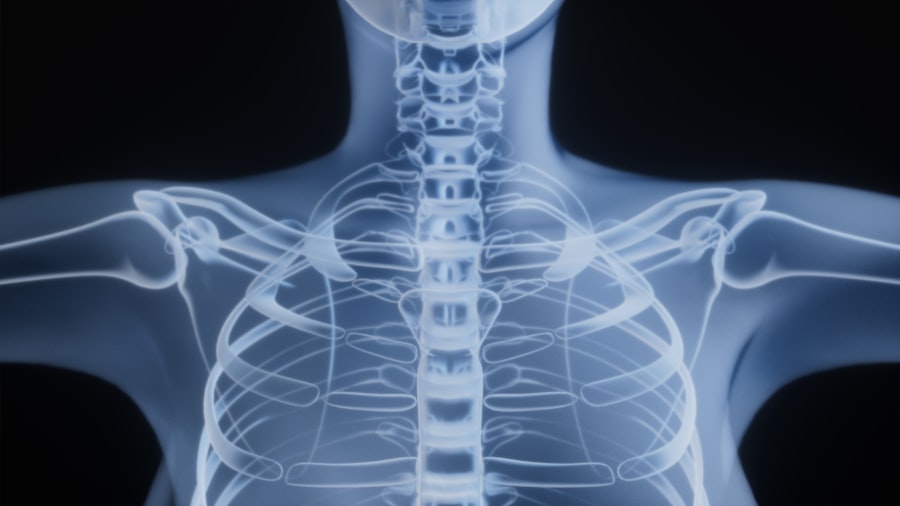
TMM incorporates several foundational breathwork techniques, each designed to achieve specific outcomes related to mental clarity. These are the bedrock upon which more advanced practices can be built.
Diaphragmatic Breathing (Belly Breathing)
Diaphragmatic breathing, often referred to as belly breathing, is a cornerstone of TMM. It involves engaging the diaphragm, a dome-shaped muscle located below the lungs, rather than relying solely on the shallower chest muscles.
- Mechanism: When you inhale deeply into your abdomen, your diaphragm contracts and moves downwards, creating space for your lungs to expand fully. As you exhale, the diaphragm relaxes and moves upwards, expelling air efficiently. This engagement of the diaphragm directly stimulates the vagus nerve, initiating a powerful relaxation response.
- Practice: Lie down or sit comfortably. Place one hand on your chest and the other on your abdomen. As you inhale, feel your abdomen rise while your chest remains relatively still. As you exhale, feel your abdomen fall. Aim for slow, smooth breaths, with the exhale slightly longer than the inhale. This technique is often a starting point for individuals new to breathwork, as it provides a tangible anchor for focusing attention. Think of your belly as a balloon inflating and deflating with each breath.
- Benefits: Reduces stress, lowers heart rate and blood pressure, improves oxygenation, and establishes a calmer physiological state, thereby laying the groundwork for clearer thinking.
Box Breathing (Four-Square Breathing)
Box breathing is a simple yet powerful technique for calming the nervous system and enhancing focus. Its structured nature provides a mental anchor, making it effective for situations requiring quick mental readjustment.
- Mechanism: This technique involves inhaling, holding the breath, exhaling, and holding the breath again, each for an equal count. The structured rhythm provides a cognitive distraction from racing thoughts and actively engages the PNS.
- Practice: Inhale slowly through your nose for a count of four. Hold your breath for a count of four. Exhale slowly through your mouth (or nose) for a count of four. Hold your breath for a count of four. Repeat this cycle multiple times. Visualizing a square or box as you move through each phase can aid concentration.
- Benefits: Reduces anxiety, improves concentration, grounds you in the present moment, and can be particularly useful before demanding tasks or when experiencing acute stress.
Alternate Nostril Breathing (Nadi Shodhana)
Derived from ancient yogic practices, alternate nostril breathing is a balancing technique that aims to harmonize the left and right hemispheres of the brain, promoting a sense of equilibrium and mental serenity.
- Mechanism: This technique involves systematically breathing through one nostril at a time, switching back and forth. In yogic philosophy, the right nostril is associated with solar energy (activating, sympathetic) and the left with lunar energy (calming, parasympathetic). By alternating, you are believed to balance these energies. Physically, it directs airflow more deliberately, potentially influencing brain activity.
- Practice: Sit in a comfortable position. Close your right nostril with your right thumb. Inhale deeply through your left nostril. Close your left nostril with your right ring finger, release your thumb, and exhale through your right nostril. Inhale through your right nostril. Close your right nostril with your thumb, release your ring finger, and exhale through your left nostril. This completes one round. Continue alternating.
- Benefits: Reduces stress and anxiety, improves focus and concentration, balances the nervous system, and can be particularly beneficial for preparing for meditation or bedtime.
Integrating TMM into Daily Life
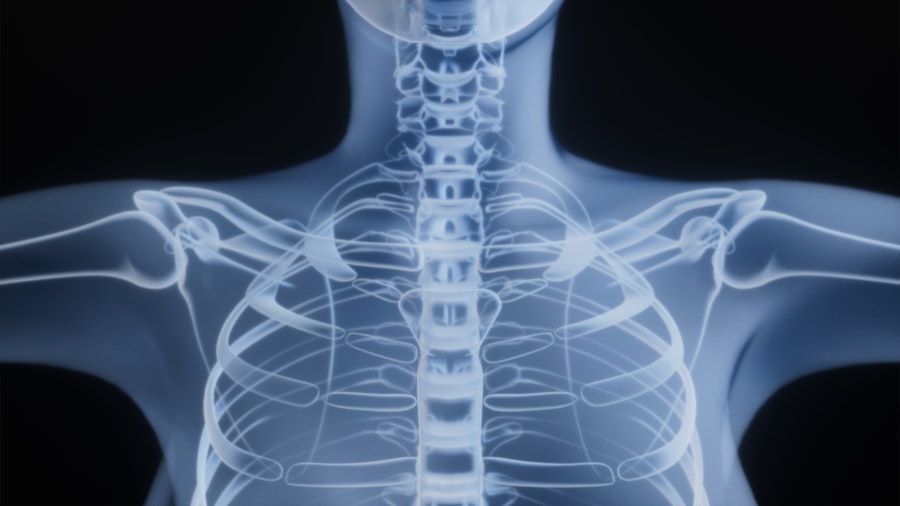
The effectiveness of TMM hinges on its practical application. It’s not about adding another burdensome task to your day, but rather weaving breathwork into the fabric of your existing routines.
Micro-Practices and Environmental Cues
Instead of setting aside extended periods, micro-practices encourage brief, intentional breathwork moments throughout your day. These can be as short as 30-90 seconds. The key is consistency.
- Morning Ritual: Start your day with 2-3 minutes of diaphragmatic breathing before checking your phone. This sets a calm tone for the day, like tuning an instrument before a performance.
- Transactional Breaths: Integrate a few rounds of box breathing during routine transitions – waiting for coffee to brew, at a red light, or before opening a new email. These small pauses act as mental clearings.
- Before Tasks: Before starting a complex or demanding task, take 1-2 minutes for alternate nostril breathing. This can enhance focus and reduce procrastination, much like an athlete’s pre-game warm-up.
Environmental cues can serve as gentle reminders to engage in breathwork.
- Visual Reminders: Place a sticky note with a simple breath cue (“Breathe”) on your computer monitor or car dashboard.
- Auditory Prompts: Set a subtle alarm on your phone to chime every hour as a reminder to take three deep, intentional breaths.
- Physiological Triggers: Recognize common stress triggers (e.g., tight shoulders, racing thoughts) as cues to initiate a breathwork micro-practice.
Troubleshooting and Adaptation
As with any new practice, challenges may arise. TMM emphasizes a flexible approach, encouraging you to troubleshoot and adapt rather than abandon the practice.
- Difficulty Focusing: If your mind wanders during breathwork, acknowledge the thoughts without judgment and gently bring your attention back to your breath. It’s like training a puppy; redirection is more effective than scolding. Consider focusing on a specific physical sensation of the breath, such as the air entering and leaving your nostrils.
- Discomfort or Dizziness: If you experience dizziness or discomfort, immediately pause the breathwork. It’s possible you are over-breathing or not accustomed to the technique. Reduce the intensity, duration, or switch to a gentler technique like slow diaphragmatic breathing. Consult a healthcare professional if discomfort persists.
- Lack of Time: Revisit the concept of micro-practices. Even 60 seconds twice a day can yield benefits. Identify moments where you are passively waiting or transitioning and reframe them as opportunities for breathwork.
In exploring the benefits of breathwork for enhancing mental clarity, you might find it interesting to read an article on product formulation consulting, which discusses how mindfulness practices can be integrated into wellness products. This connection highlights the growing trend of incorporating holistic approaches into various industries. For more insights, you can check out the article here.
The Long-Term Benefits of TMM for Mental Clarity
| Metric | Description | Value | Unit |
|---|---|---|---|
| Session Duration | Average length of each breathwork session | 15 | minutes |
| Daily Frequency | Recommended number of sessions per day | 1-2 | sessions |
| Breath Rate | Target breaths per minute during practice | 6-8 | breaths/min |
| Mental Clarity Improvement | Reported increase in mental clarity after 4 weeks | 35 | percent |
| Stress Reduction | Average decrease in perceived stress levels | 40 | percent |
| Participant Satisfaction | Percentage of users satisfied with the method | 92 | percent |
Consistent engagement with TMM can lead to a spectrum of long-term benefits, culminating in more resilient mental clarity.
Enhanced Cognitive Function
Over time, regular breathwork can contribute to improved cognitive function. This is not a magical transformation but a gradual strengthening of neural pathways and a more optimized brain state.
- Improved Focus and Attention Span: By regularly activating the PNS and calming the SNS, TMM helps reduce the mental “noise” that often distracts from tasks. This leads to a sustained ability to concentrate. Imagine your mind as an old-fashioned radio; breathwork effectively tunes out the static, allowing the desired signal to come through clearly.
- Better Decision-Making: A clearer mind, unclouded by anxiety or excessive rumination, is better equipped for rational and effective decision-making. By reducing impulsivity driven by stress, TMM supports thoughtful consideration.
- Enhanced Problem-Solving: With a calmer and more focused mind, you can approach challenges with greater equanimity and creativity. The ability to see situations from multiple perspectives and generate innovative solutions is often hampered by mental clutter, which breathwork aims to diminish.
Emotional Regulation and Stress Resilience
One of the most significant long-term benefits of TMM is the cultivation of enhanced emotional regulation and a greater capacity to withstand stressors without being overwhelmed.
- Reduced Anxiety and Stress Response: Regular activation of the PNS through breathwork trains your nervous system to respond more swiftly to stress by initiating a relaxation response. This means you are less likely to get “stuck” in a state of high alarm. It’s akin to having a well-practiced fire drill for your nervous system; you can respond effectively without causing panic.
- Increased Emotional Awareness: By regularly tuning into your internal state through breath, you become more attuned to subtle emotional shifts, allowing for proactive rather than reactive responses. This self-awareness is a crucial component of emotional intelligence.
- Greater Resilience to Adversity: The practice of consciously managing your internal state through breathwork builds an inner resource that helps you navigate challenges with greater composure. You develop a sense of agency over your physiological and psychological reactions, rather than feeling entirely at the mercy of external events.
Cultivation of Mindfulness and Presence
Ultimately, TMM fosters a deeper sense of mindfulness and presence, which are integral to mental clarity.
- Living in the Present Moment: Breathwork, by its very nature, brings your attention to the current moment. With consistent practice, this ability extends beyond formal sessions, allowing you to experience more of “now” rather than being perpetually caught in thoughts about the past or future.
- Reduced Mind-Wandering and Rumination: The structured nature of breathwork provides a focus that can reduce the tendency for the mind to wander aimlessly or get stuck in repetitive negative thought patterns. It provides a healthy, constructive anchor for your attention.
- Improved Self-Awareness: Regular engagement with breathwork encourages a deeper understanding of your own internal landscape – your physical sensations, emotional states, and thought patterns. This enhanced self-awareness is a foundational element for personal growth and mental well-being.
In conclusion, “The Me Time Method: Breathwork Fundamentals for Daily Mental Clarity” presents a systematic and accessible framework for leveraging breathwork to cultivate an internal state conducive to focused thought, emotional balance, and sustained presence. By consistently applying its core principles and techniques, individuals can foster lasting improvements in their mental clarity and overall well-being.