

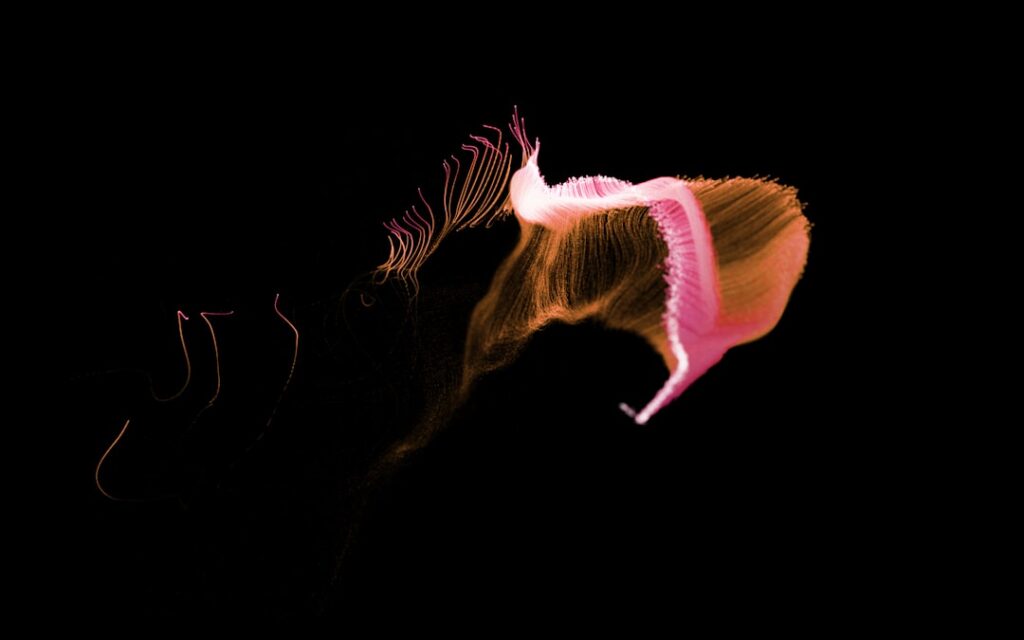
The intersection of generative art and code represents a burgeoning field where artistic intent meets computational logic. The Creative Discovery Studio, as an entity or a conceptual framework, explores this convergence, offering a space for artists, programmers, and researchers to develop and examine algorithmic approaches to creative output. This article will delve into the principles, methodologies, and potential of this creative space.
Generative art is a broad term encompassing art produced by a system which, when executed, is largely out of the control of the human creator. Code, in this context, serves as the engine and the blueprint for this system.
Algorithmic Thinking in Art
At its core, generative art relies on algorithms, a set of step-by-step instructions that a computer follows. These algorithms can range from simple mathematical formulas to complex neural networks. The artist provides the initial parameters and rules, but the subsequent generation of the artwork is handled by the algorithm. Consider it akin to a sculptor providing a block of marble and a chisel, but then allowing the chisel to carve autonomously based on a set of predetermined forces and formations it has learned. This relinquishes direct control but opens avenues for emergent and unexpected results.
The Role of Code as a Medium
Code is not merely a tool for generative art; it is often the medium itself. The programming language, the syntax, and the structure of the code can all influence the aesthetic outcome. Different languages, such as Processing, JavaScript (with libraries like p5.js), Python (with libraries like Pygame or Turtle), or even more specialized environments like TouchDesigner or Max/MSP, offer distinct functionalities and expressive capabilities. The choice of language and libraries can be as significant as the artist’s choice of paint or brush.
Historical Context and Evolution
The roots of generative art can be traced back to early computer art experiments in the mid-20th century. Artists like Vera Molnár and Manfred Mohr explored algorithmic drawing and plotting. The advent of more accessible computing power and user-friendly programming environments in the late 20th and early 21st centuries has democratized the field, allowing a wider range of individuals to engage with generative art creation. The Creative Discovery Studio, in this light, builds upon this legacy, offering a modern platform for exploration.
In the realm of digital artistry, the exploration of generative art and code has gained significant traction, as highlighted in the article “The Creative Discovery Studio: Exploring the Intersection of Generative Art and Code.” This article delves into the innovative techniques and tools that artists are employing to create mesmerizing visual experiences through programming. For further insights into content production and its impact on creative processes, you can check out a related article at By Williams: Content Production.
Methodologies within the Creative Discovery Studio
The exploration within a Creative Discovery Studio can manifest through various methodological frameworks, tailored to the specific projects and the backgrounds of the individuals involved.
Rule-Based Systems and Emergence
Many generative art systems operate on rule-based principles. These rules define how elements interact, evolve, and form patterns. A classic example is Conway’s Game of Life, where simple rules governing the birth, survival, and death of “cells” can lead to complex and unpredictable patterns. In a studio setting, artists might develop custom rule sets to generate visual textures, dynamic forms, or even intricate narrative structures. The “emergence” of complexity from simple initial conditions is a key characteristic, much like how flocking behavior arises from individual birds following basic proximity and alignment rules.
Data-Driven Generative Art
Leveraging external data sources is another powerful methodology. This can involve using sensor data, physiological signals, social media feeds, or scientific datasets to inform the generative process. For instance, stock market fluctuations could be translated into dynamic visual compositions, or a user’s heart rate could influence the speed and color palette of an animation. The studio can provide the infrastructure and expertise to facilitate the integration and interpretation of diverse data streams into artistic outputs. This transforms data from abstract numbers into tangible, experiential forms.
Machine Learning and AI in Art Creation
The integration of machine learning (ML) and artificial intelligence (AI) has profoundly impacted generative art. Algorithms can be trained on existing datasets of art, music, or text, enabling them to generate new works that bear stylistic resemblances to the training data. Techniques like Generative Adversarial Networks (GANs) can produce highly realistic and novel imagery. Within a Creative Discovery Studio, this could involve experimenting with neural style transfer, text-to-image generation, or the development of AI agents that learn and adapt their creative processes over time. Understanding the biases inherent in training data becomes a critical, ethical consideration in this context.
Interactive and Real-time Generative Systems
The studio can also foster the development of interactive generative art. These systems respond to user input, environmental changes, or real-time events. This could range from a website that dynamically alters its design based on visitor behavior to an installation that changes its visual and auditory output according to the presence and movement of people in a physical space. The emphasis here is on a dialogue between the artwork, the viewer, and the environment, creating a living, evolving experience.
Tools and Technologies Employed
A Creative Discovery Studio typically leverages a range of software and hardware to facilitate exploration and execution.
Programming Languages and Frameworks
The choice of programming language is central. As mentioned, Processing and p5.js are popular for their accessibility and focus on visual output. Python offers a vast ecosystem of libraries for data science, machine learning, and general-purpose programming, making it versatile for complex generative projects. Frameworks like Unity or Unreal Engine can be employed for developing interactive 3D generative experiences.
Generative Art Platforms and Environments
Specialized platforms exist to streamline the generative art creation process. TouchDesigner, for instance, is a visual programming language that allows artists to create interactive installations and real-time graphics without extensive coding. Max/MSP is another powerful tool for audio and visual synthesis, often used for experimental music and interactive art. These environments act as fertile ground where ideas can quickly sprout and grow.
Hardware and Sensor Integration
For interactive projects, integration with hardware is often necessary. This can include microcontrollers like Arduino for sensing environmental data or controlling physical outputs, motion sensors, cameras for real-time image analysis, and projectors for immersive visual displays. The studio can provide access to this hardware and the knowledge to interface it with software for creative applications.
Data Visualization Tools
When working with data-driven generative art, tools for data visualization are crucial for understanding and manipulating the input. Libraries like Matplotlib or Seaborn in Python, or dedicated visualization software, can help artists interpret complex datasets before translating them into artistic forms.
Artistic Intent and Conceptual Frameworks
Beyond the technical aspects, a Creative Discovery Studio encourages artists to consider the underlying artistic intent and conceptual frameworks driving their generative work.
The Artist as Curator and Orchestrator
In generative art, the artist’s role shifts from direct creator to that of a curator or orchestrator. They define the initial conditions, set the rules, and guide the evolutionary trajectory of the artwork, but the final output is a collaboration between human intent and algorithmic process. The artist becomes a conductor, setting the tempo and melody, but allowing the orchestra to play with its own unique interpretation.
Exploring Themes of Chance, Order, and Complexity
Generative art is a fertile ground for exploring themes of chance, randomness, and the emergence of order from apparent chaos. Artists can use algorithms to generate statistically predictable patterns or embrace unpredictability to create surprising and novel aesthetic experiences. The studio provides a space to investigate these philosophical underpinnings through practical application.
Critical Engagement with Technology
A critical engagement with the technologies used in generative art is also paramount. This involves questioning the inherent biases in algorithms and datasets, considering the ethical implications of AI-generated art, and exploring the relationship between human creativity and machine intelligence. The studio can serve as a hub for such critical discourse.
The Nature of Authorship and Originality
Generative art raises questions about authorship and originality. When an algorithm generates a piece, who is the author? The programmer, the artist who designed the algorithm, or the algorithm itself? The studio can be a place where these complex questions are debated and explored through the creation of art.
In the realm of digital creativity, the exploration of generative art and code has opened up new avenues for artists and technologists alike. A related article that delves into the importance of balance in creative pursuits can be found at Life Balance Coaching, which emphasizes how maintaining equilibrium in one’s life can enhance artistic expression and innovation. This connection between personal well-being and creative output highlights the significance of nurturing both the mind and spirit in the ever-evolving landscape of generative art.
The Creative Discovery Studio as a Collaborative Ecosystem
| Metric | Description | Value | Unit |
|---|---|---|---|
| Number of Generative Art Projects | Total projects created using code-based generative techniques | 120 | Projects |
| Average Code Complexity | Measured by lines of code per project | 350 | Lines of Code |
| Popular Programming Languages | Most used languages in generative art coding | JavaScript, Python, Processing | Languages |
| Average Render Time | Time taken to generate final artwork | 45 | Seconds |
| User Engagement | Average number of views per generative art piece | 1,200 | Views |
| Workshops Conducted | Number of educational sessions on generative art and code | 15 | Sessions |
| Collaborations | Number of interdisciplinary projects combining art and technology | 8 | Projects |
The value of a Creative Discovery Studio extends beyond individual practice; it flourishes as a collaborative ecosystem.
Interdisciplinary Collaboration
Such a studio fosters collaboration between artists from diverse backgrounds, programmers, designers, scientists, and theorists. This cross-pollination of ideas and skill sets can lead to innovative and unexpected outcomes that might not arise from isolated practice. Imagine a painter and a mathematician working together – the painter brings visual intuition, the mathematician brings structural logic, and together they might build a new visual language.
Knowledge Sharing and Mentorship
A key aspect of a studio environment is the sharing of knowledge and expertise. More experienced practitioners can mentor newcomers, and communal learning can accelerate individual and collective progress. Workshops, shared code repositories, and open critiques are vital components of this knowledge exchange.
Exhibition and Dissemination of Work
A Creative Discovery Studio can also serve as a platform for exhibiting and disseminating the work produced within it. This could involve online galleries, physical exhibitions, public installations, or academic publications. Sharing the outcomes of the exploration allows for broader engagement and further discourse.
Pushing the Boundaries of Art and Technology
Ultimately, the Creative Discovery Studio acts as a crucible for pushing the boundaries of both art and technology. By providing the resources, community, and intellectual framework, it empowers individuals to experiment, innovate, and redefine what is possible at the vibrant intersection of creative expression and computational power. The discoveries made within such a studio can then ripple outwards, influencing broader artistic practices and technological development.
The exploration of generative art through code within a Creative Discovery Studio is not merely about the creation of aesthetically pleasing objects. It is a process of investigation into the fundamental nature of creativity, the role of technology in art, and the evolving relationship between humans and the intelligent systems we develop. It is a space where the abstract language of code can be woven into the fabric of visual and auditory experiences, revealing new forms and challenging our perceptions.