


The Creative Discovery Studio: Masterclass in Multi-Sensory Digital Storytelling is an educational program offered to individuals interested in developing skills in digital narrative creation with a focus on integrating multiple sensory modalities. This masterclass aims to equip participants with the theoretical understanding and practical application necessary to produce immersive and engaging digital stories. It operates on the premise that contemporary digital communication benefits from approaches that extend beyond purely visual or auditory stimuli, incorporating techniques that evoke a broader range of human perception.
The Creative Discovery Studio: Masterclass in Multi-Sensory Digital Storytelling was conceptualized to address a growing demand for nuanced digital content. Its development reflects an industry shift towards experiences that are not merely consumed but actively felt. The program originated from academic research into human-computer interaction and the psychological impact of multi-sensory stimuli, eventually transitioning into a practical curriculum.
Foundational Principles
The masterclass is built upon several core principles. One principle is the cognitive load theory, which suggests that effective design minimizes extraneous mental effort, allowing for greater absorption of primary content. Another is the concept of ecological perception, emphasizing how individuals perceive their environment directly through sensory inputs without extensive cognitive mediation. The program integrates these theories into its instructional design, aiming for intuitive and impactful storytelling.
Historical Trajectory
The initial iterations of the program focused primarily on visual and auditory synchronization, exploring early forms of augmented reality and interactive media. As technology advanced, particularly with the proliferation of haptic feedback systems and scent diffusers, the curriculum expanded to incorporate these emerging possibilities. This evolution reflects a continuous adaptation to technological innovation, ensuring the masterclass remains pertinent to the contemporary digital landscape. Early workshops were experimental, often leveraging nascent technologies to explore untapped sensory potentials. The feedback from participants in these foundational stages informed the structured approach seen today.
The Creative Discovery Studio: Masterclass in Multi-Sensory Digital Storytelling offers an innovative approach to storytelling that engages multiple senses, enhancing the overall experience for participants. For those interested in exploring the intersection of technology and creativity further, a related article on live streaming services can provide valuable insights into how digital platforms can amplify storytelling efforts. You can read more about this topic in the article available at Live Streaming Services.
Curriculum Structure
The masterclass is structured into modules, each addressing a specific facet of multi-sensory digital storytelling. These modules progress from foundational concepts to advanced application, guiding participants through a comprehensive learning journey. This modular design allows for a systematic acquisition of skills and knowledge.
Module 1: Theoretical Frameworks of Sensory Perception
This module establishes the academic and psychological underpinnings of multi-sensory communication. It delves into the physiology of human senses, exploring how diverse stimuli are processed and integrated by the brain. Understanding these mechanisms is crucial for intentionally designing experiences that resonate.
The Neuroscience of Perception
Participants examine relevant neurological models, including cross-modal perception and sensory dominance. Case studies of synesthesia are often discussed to illustrate the plasticity and interconnectedness of sensory experiences. This segment provides a scientific lens through which to view sensory design. The primary focus here is to move beyond anecdotal understanding and ground design choices in empirical data.
Psychological Impact of Sensory Stimuli
This section explores how different sensory inputs can influence emotion, memory, and cognitive processing. It investigates principles such as congruence, where matching sensory information enhances perception, and dominance, where one sense may override others. Studies on scent and memory, for example, are analyzed to demonstrate their profound associative power.
Module 2: Digital Tools and Technologies for Sensory Integration
This module transitions from theory to practical implementation, introducing participants to the array of digital tools and technologies available for creating multi-sensory experiences. It covers software platforms, hardware capabilities, and programming interfaces.
Visual and Auditory Design Principles
This segment revisits fundamental principles of visual composition and sound design, but within the context of multi-sensory integration. It explores how visual cues can amplify auditory narratives, and vice-versa, creating a synergistic effect. Techniques such as Foley art and dynamic lighting are examined for their ability to enhance immersion. This is not simply about good visuals or good audio, but about their interplay. Consider the visual rhythm of rain on a windowpane synchronized with the audio of falling droplets.
Haptic Feedback and Olfactory Integration
Participants are introduced to programming haptic feedback systems, ranging from subtle vibrations to more complex tactile sensations. This involves understanding the physics of vibration and its psychological impact. Concurrently, the module explores the integration of olfactory elements, discussing technologies for controlled scent dispersion and the principles of scent design. This segment often involves hands-on experimentation with haptic devices and scent emitters.
Module 3: Narrative Design for Immersive Experiences
This module focuses on the art of storytelling within a multi-sensory paradigm. It challenges participants to think beyond linear narratives, encouraging the creation of interactive and exploratory experiences. The narrative becomes a journey through a sensory landscape.
Constructing Multi-Sensory Arcs
Participants learn to develop narrative structures that weave together visual, auditory, tactile, and olfactory elements seamlessly. This involves designing specific sensory cues that signal plot points, evoke character emotions, or establish environmental settings. The goal is to craft a narrative that is felt as much as it is seen or heard. Imagine a moment where a character’s fear is conveyed not just through their expression or screams, but through a chilling wind (tactile) and the metallic tang of fear (olfactory).
User Interaction and Branching Narratives
The module also addresses interactive storytelling techniques, where user choices influence the progression of the multi-sensory experience. This includes designing decision points that trigger different sensory sequences. Participants explore non-linear storytelling structures and their implications for sensory orchestration. The user is not a passive observer but an active participant, whose actions ripple through the sensory environment.
Applications and Impact
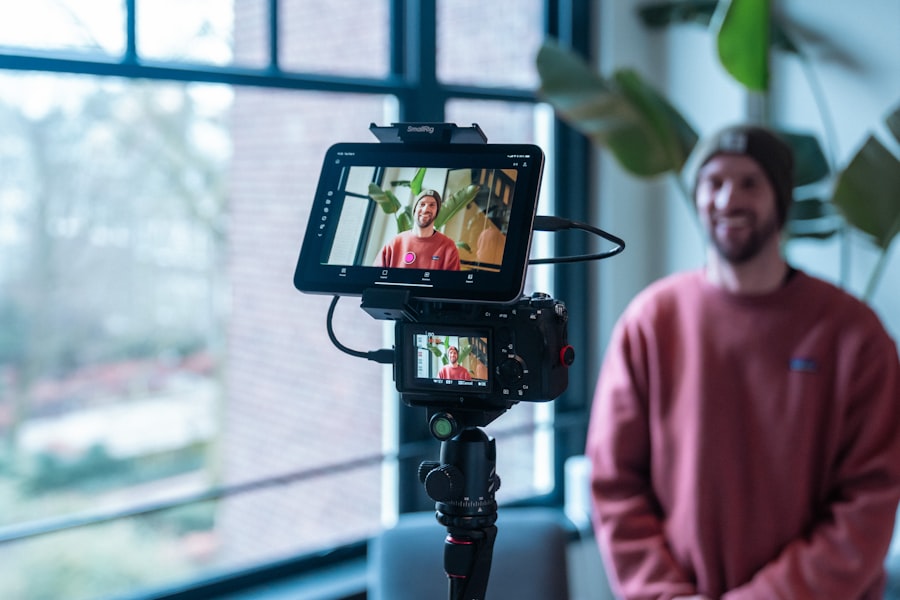
The skills acquired in The Creative Discovery Studio are applicable across a broad spectrum of industries, reflecting the increasing demand for sophisticated digital engagement. These applications demonstrate the versatility and relevance of multi-sensory storytelling.
Entertainment and Gaming
In entertainment, multi-sensory storytelling enhances immersion in video games, virtual reality experiences, and interactive films. The integration of haptic feedback, environmental scents, and dynamic audio transforms passive consumption into active participation. Imagine a horror game where a subtle increase in air pressure (haptic) precedes a jumpscare, or a cooking simulation where the aroma of baking bread is emitted. This deepens player investment and emotional response.
Education and Training
Multi-sensory approaches can significantly improve learning outcomes by engaging multiple cognitive pathways. Educational content can leverage these techniques to create more memorable and impactful learning environments. For instance, a historical simulation could incorporate the sounds of a battlefield, the texture of a period uniform (haptic), and the smell of gunpowder (olfactory), providing a more profound understanding than text or visuals alone. Training simulations, particularly in high-stakes fields like medicine or aviation, benefit from realistic sensory feedback to prepare individuals for complex scenarios.
Marketing and Brand Experience
In marketing, multi-sensory design creates more memorable and impactful brand experiences. Products and services can be presented in ways that appeal to a broader range of senses, fostering stronger emotional connections with consumers. A retail space, for example, might incorporate a signature scent and specific tactile elements in its packaging to reinforce brand identity. Digital advertising can also adapt these principles, using haptic ads on mobile devices or interactive web experiences that engage more than sight and sound, turning passive viewing into a more intimate encounter.
Challenges and Future Directions
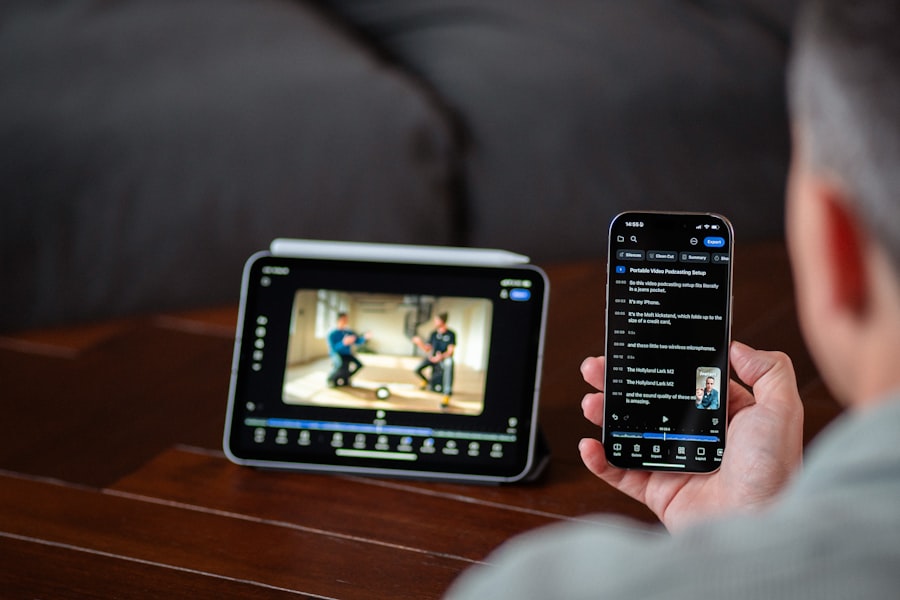
Despite its potential, multi-sensory digital storytelling faces specific challenges related to technological limitations, standardization, and ethical considerations. Addressing these challenges is integral to the continued growth and accessibility of the field.
Technical Hurdles and Interoperability
The primary technical hurdle is the current fragmentation of sensory output devices and software platforms. A lack of universal standards for integrating various sensory modalities often complicates development and deployment. Achieving seamless interoperability between different haptic devices, scent emitters, and display technologies remains an ongoing challenge. The field is a patchwork of proprietary systems rather than a cohesive ecosystem.
Ethical Considerations and Accessibility
Ethical concerns arise regarding the potential for sensory overload, manipulation, or exclusionary design. It is crucial to develop guidelines that ensure multi-sensory experiences are inclusive and do not exacerbate existing accessibility barriers for individuals with sensory impairments. For example, excessive haptic feedback could be detrimental to certain users, or strong scents could trigger allergies. Designing for sensitivity and choice is paramount. Furthermore, the capacity for subtle manipulation through highly targeted sensory stimuli raises questions about consent and persuasive design, creating a new frontier in digital ethics.
Research and Development Opportunities
Future directions include further research into the long-term cognitive and emotional effects of multi-sensory engagement. Advancements in artificial intelligence and machine learning could enable more adaptive and personalized sensory experiences, adjusting to individual user preferences and responses. Miniaturization of sensory output devices and the development of more sophisticated, customizable sensory technologies will also expand the possibilities. The ultimate goal is to move towards a future where digital narratives are not just seen and heard, but are truly felt, tasted, and smelled, becoming complete, encompassing experiences. This requires ongoing experimentation and a willingness to transcend established boundaries of digital interaction.