

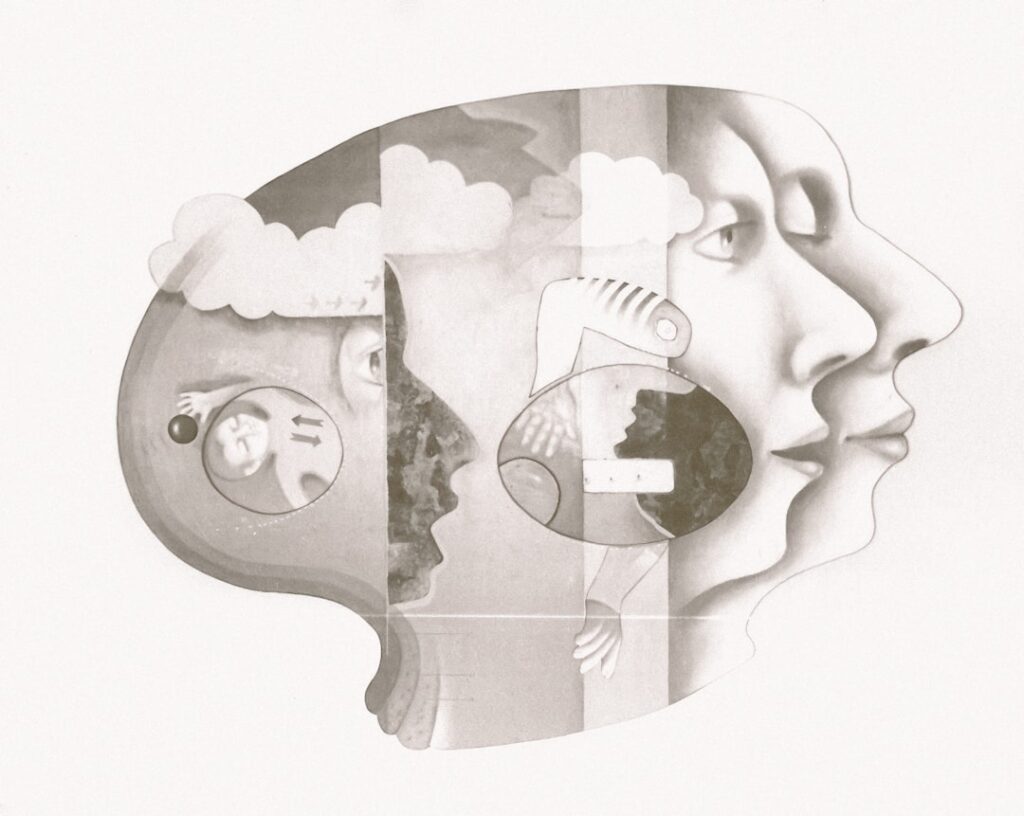
The Creative Discovery Studio has developed and advocated for design principles intended to enhance the usability and accessibility of digital interfaces for individuals with diverse neurological profiles. Their work centers on the premise that standard digital design often operates on assumptions that may not align with the cognitive processing, sensory sensitivities, or varied interaction styles of neurodivergent users. By focusing on principles of flexibility, predictability, and clarity, the Studio aims to create digital environments that are not just usable, but genuinely supportive for a wider spectrum of users.
The concept of neurodiversity posits that variations in brain function and behavioral traits are a natural and valuable part of human diversity. It is not a deficit to be cured but a difference to be understood and accommodated. This perspective shifts the focus from adapting individuals to existing systems to adapting systems to individuals. In the realm of digital interfaces, this means moving beyond a one-size-fits-all approach that can inadvertently exclude or frustrate users with conditions such as autism spectrum disorder, ADHD, dyslexia, or sensory processing differences.
Defining Neurodiversity
Neurodiversity encompasses a broad range of neurological differences. These can manifest in various ways, impacting how individuals perceive, process, and interact with information. For instance, some neurodivergent individuals may experience heightened sensory sensitivities, leading to overwhelm from flashing lights, loud sounds, or complex visual layouts. Others may have challenges with executive functions, such as planning, organization, and sustained attention, which can make navigating intricate menus or multi-step tasks difficult. Still others may possess unique ways of thinking and problem-solving, which traditional interfaces might not optimally leverage.
The Limitations of Conventional Design Paradigms
Many digital interfaces are built on established usability heuristics and design patterns developed with a neurotypical user in mind. These conventions, while effective for a large segment of the population, can become barriers for neurodivergent individuals. For example, elements that rely heavily on subtle visual cues or quick, inferential leaps in logic may be missed or misinterpreted. Interfaces with high cognitive load, requiring constant switching between tasks or holding multiple pieces of information simultaneously, can lead to errors or disengagement.
The Creative Discovery Studio’s Core Philosophy
The Creative Discovery Studio’s foundational philosophy is rooted in empathy and iterative design. They believe that understanding the lived experiences of neurodivergent users is paramount. This is not about simply adding accessibility features as an afterthought, but about integrating neurodiversity considerations from the initial stages of conceptualization and design. Their approach is akin to building a house with adaptable rooms, rather than trying to force everyone to live in the same pre-fabricated mold.
Principles of Inclusive Digital Environments
The Studio champions several core principles that guide their design efforts. These include:
- Predictability and Consistency: Users should be able to anticipate how an interface will behave. Consistent placement of navigation elements, predictable responses to actions, and clear labeling reduce cognitive load and anxiety.
- Flexibility and Customization: Offering users control over their experience is essential. This could involve adjusting font sizes and styles, changing color schemes, controlling animation speeds, or selecting different input methods.
- Clarity and Simplicity: Interfaces should be easy to understand and navigate. This involves using straightforward language, avoiding jargon, employing clear visual hierarchies, and minimizing unnecessary complexity.
- Sensory Accommodation: Recognizing and addressing sensory sensitivities can involve providing options to reduce visual clutter, minimize distracting animations and sounds, and offer high-contrast modes.
In exploring the intersection of design and neurodiversity, a related article that delves into the broader implications of inclusive design practices is available at Williams Design Studio. This resource emphasizes the importance of creating digital interfaces that cater to diverse cognitive needs, offering insights that complement the ideas presented in “The Creative Discovery Studio: Designing for Neurodiversity in Digital Interfaces.” By examining various design strategies, both articles contribute to a deeper understanding of how thoughtful design can enhance accessibility and usability for all users.
Key Design Principles and Methodologies
The Creative Discovery Studio translates its philosophy into actionable design principles and employs specific methodologies to achieve inclusive digital interfaces. Their work is characterized by a deep dive into user needs and a commitment to evidence-based design.
Reducing Cognitive Load
Cognitive load refers to the total amount of mental effort being used in the working memory. For individuals with certain neurodevelopmental conditions, managing high cognitive load can be particularly challenging. The Studio employs strategies to minimize this burden. This involves breaking down complex tasks into smaller, manageable steps, offering clear progress indicators, and providing sufficient time for users to process information.
Strategies for Cognitive Load Reduction
- Chunking Information: Presenting information in discrete, digestible units rather than large blocks. This is like presenting a large meal in a series of courses, rather than all at once.
- Progress Indicators: Visually communicating where a user is within a process, such as a multi-step form or a tutorial. This provides a sense of orientation and reduces uncertainty.
- Time Management Features: Allowing users to control the pace of interactions, such as pausing animations, delaying auto-advancing content, or offering extended time for form submissions.
- Minimalist Interfaces: Stripping away unnecessary visual elements and distractions to focus attention on core functionality.
Enhancing Predictability and Learnability
Predictability fosters a sense of safety and control in digital environments. When users can anticipate the outcome of their actions, their anxiety decreases, and their confidence increases. Learnability is the ease with which a new user can understand and operate a system.
Design for Predictable Interactions
- Consistent Navigation: Placing navigation menus and controls in the same locations across an application or website.
- Clear Affordances: Designing interface elements so their function is obvious. A button should look like it can be pressed, a clickable link should be visually distinct.
- Feedback Mechanisms: Providing immediate and clear feedback for every user action. This includes visual cues, auditory confirmations, or textual messages indicating success or failure.
- Standardized UI Patterns: Adhering to widely recognized user interface patterns, such as using a magnifying glass icon for search, reduces the need for users to learn new conventions.
Supporting Sensory Processing Differences
Sensory processing differences can significantly impact how individuals experience digital interfaces. Overstimulation from auditory or visual elements can lead to distress, while understimulation might result in difficulty engaging.
Accommodating Diverse Sensory Needs
- Customizable Visual Presentation: Offering options for font type, size, spacing, line height, and color contrast. This is akin to providing different types of lighting to suit individual preferences.
- Control Over Auditory Elements: Allowing users to mute or adjust the volume of sound effects and background music.
- Reduced Animation and Motion: Providing options to disable or reduce the speed of animations and automatic scrolling. Flashing lights and rapid movements can be particularly challenging.
- Clear Visual Hierarchy: Organizing content logically with clear headings, subheadings, and visual separation to guide the user’s eye and reduce visual clutter.
User Research and Design Iteration

The Creative Discovery Studio emphasizes a user-centered approach, integrating qualitative and quantitative research to inform their design process. This is not a linear path, but rather a continuous cycle of learning, designing, and testing.
Inclusivity in Research Methodologies
Traditional user research methods may not always be suitable for all neurodivergent individuals. The Studio adapts its approaches to ensure that participants feel comfortable and are able to communicate their experiences effectively.
Adapting Research Techniques
- Flexible Interview Formats: Offering various communication methods, such as written responses, short interviews, or observational sessions, to accommodate different comfort levels and communication styles.
- Sensory-Aware Testing Environments: Creating quiet, calm testing spaces that can be adjusted for lighting and sound if necessary.
- Co-Design Sessions: Actively involving neurodivergent individuals in the design process, treating them not just as subjects but as collaborators and co-creators.
- Iterative Prototyping: Presenting early prototypes to users to gather feedback and make adjustments before significant development resources are committed.
Qualitative and Quantitative Data Integration
The Studio values both the depth of qualitative insights and the breadth of quantitative data. Understanding the “why” behind user behavior, as well as the “how much,” provides a comprehensive picture.
Leveraging Diverse Data Streams
- User Interviews and Focus Groups: Gathering rich, narrative data on user experiences, challenges, and preferences.
- Usability Testing with Observational Data: Observing how users interact with prototypes and identifying points of friction or confusion.
- Analytics and Telemetry: Collecting data on user behavior within live interfaces to identify patterns and areas for improvement.
- Surveys and Questionnaires: Gathering structured feedback on specific design elements or overall user satisfaction.
The Importance of Iterative Design
Design is rarely perfect on the first attempt. The Creative Discovery Studio embraces iteration as a fundamental aspect of their work, continually refining interfaces based on user feedback and testing. This is comparable to a sculptor chipping away at stone, gradually revealing the intended form.
Stages of Iterative Development
- Concept Validation: Testing initial ideas and concepts with target users to ensure they resonate with user needs.
- Prototype Refinement: Building interactive prototypes and testing them with users to identify usability issues and areas for improvement.
- Beta Testing: Releasing early versions of the product to a wider group of users for real-world testing and feedback.
- Post-Launch Monitoring and Updates: Continuously gathering user feedback and usage data to inform future updates and enhancements.
Impact and Applications of Neuroinclusive Design

The principles and methodologies championed by the Creative Discovery Studio have far-reaching implications across various digital domains. The goal is to make digital experiences more equitable and effective for everyone.
Enhancing Accessibility Beyond Traditional Frameworks
While traditional accessibility often focuses on disability as defined by physical or sensory impairments, neuroinclusive design broadens this scope to encompass cognitive and neurological differences. It moves beyond compliance to a more holistic approach to usability.
Expanding the Definition of Accessibility
- Cognitive Accessibility: Ensuring information is presented in a way that is easily understood and processed by individuals with diverse cognitive styles.
- Emotional Accessibility: Designing interfaces that do not induce anxiety, frustration, or sensory overload.
- Behavioral Accessibility: Recognizing and accommodating different interaction patterns and learning styles.
Applications in Education and Training
Digital learning environments present a significant opportunity for neuroinclusive design. Tailoring educational platforms to accommodate diverse learning needs can unlock potential and improve outcomes.
Designing for Diverse Learners
- Personalized Learning Paths: Allowing students to navigate content at their own pace and choose learning methods that suit them.
- Multi-Modal Content Delivery: Providing information through a variety of formats, including text, audio, video, and interactive simulations.
- Clear and Structured Learning Modules: Breaking down complex subjects into manageable units with clear learning objectives.
- Reduced Pressure and Anxiety: Creating assessment methods that are less dependent on timed responses or high-stakes recall.
Improving Everyday Digital Interactions
From e-commerce websites to social media platforms and productivity tools, nearly every digital interaction can benefit from neuroinclusive design principles. These improvements are not exclusive to neurodivergent users; they often enhance the experience for everyone.
Making Daily Digital Life More Manageable
- Simplified Online Shopping: Clear product descriptions, straightforward checkout processes, and customizable notification settings can benefit many users.
- Communication Tools: Providing options for summarizing long messages, managing notifications, and offering alternative ways to express oneself can improve collaboration.
- Information Access: Presenting complex information in clear, organized ways with options for users to adjust its presentation.
In exploring the principles of inclusive design, a valuable resource is the article on mobile application development, which highlights the importance of creating user-friendly interfaces for diverse audiences. By understanding how to cater to various cognitive needs, designers can enhance the usability of their products. For more insights on this topic, you can read the article on mobile application development. This connection emphasizes the significance of considering neurodiversity in the design process, ultimately leading to more accessible and engaging digital experiences.
Challenges and Future Directions
| Metric | Description | Value | Unit |
|---|---|---|---|
| User Engagement | Average time spent on interface by neurodiverse users | 12.5 | minutes |
| Accessibility Compliance | Percentage of design elements meeting neurodiversity accessibility standards | 92 | % |
| Usability Score | Average usability rating from neurodiverse participants | 4.3 | out of 5 |
| Error Rate | Frequency of user errors during interface interaction | 3.7 | errors per session |
| Task Completion Rate | Percentage of tasks successfully completed by neurodiverse users | 87 | % |
| Customization Options | Number of adjustable interface features to accommodate neurodiversity | 8 | features |
| Participant Diversity | Number of neurodiverse individuals involved in design testing | 25 | participants |
Despite the growing recognition of neuroinclusive design, significant challenges remain in its widespread adoption. The Creative Discovery Studio continues to advocate for further development and integration of these principles.
Overcoming Resistance to Change
Implementing neuroinclusive design often requires a shift in established design practices and organizational priorities. This can face resistance due to perceived costs, lack of awareness, or inertia.
Addressing Obstacles to Adoption
- Educating Stakeholders: Raising awareness among designers, developers, product managers, and business leaders about the importance and benefits of neuroinclusive design.
- Demonstrating ROI: Quantifying the business case for neuroinclusive design, highlighting benefits such as increased user engagement, reduced support costs, and broader market reach.
- Integrating into Design Workflows: Developing tools and frameworks that make it easier to incorporate neurodiversity considerations into existing design processes.
The Evolving Landscape of Technology
As technology rapidly evolves, so too do the challenges and opportunities for neuroinclusive design. Emerging technologies like AI and virtual reality present new frontiers that require careful consideration.
Adapting to New Technologies
- AI and Personalization: Exploring how AI can be used to dynamically adapt interfaces to individual neurodivergent needs without compromising privacy.
- Virtual and Augmented Reality: Designing immersive experiences that are engaging yet avoid sensory overload and disorientation for neurodivergent users.
- Ethical Considerations: Ensuring that the development and deployment of AI-powered inclusive design tools are guided by ethical principles and do not inadvertently create new forms of exclusion.
The Ongoing Need for Research and Advocacy
The field of neuroinclusive design is still relatively nascent. Continued research, data collection, and advocacy are crucial for its advancement.
Continued Efforts in Research and Advocacy
- Longitudinal Studies: Conducting studies that track the long-term impact of neuroinclusive design on user experience and well-being.
- Developing Standardized Guidelines: Contributing to the development of industry-wide guidelines and best practices for neuroinclusive design.
- Building Community and Collaboration: Fostering collaboration between designers, researchers, neurodivergent advocates, and technology companies. The Creative Discovery Studio’s work serves as a vital contribution to this ongoing endeavor, pushing the boundaries of what is possible in designing for a more inclusive digital future.