

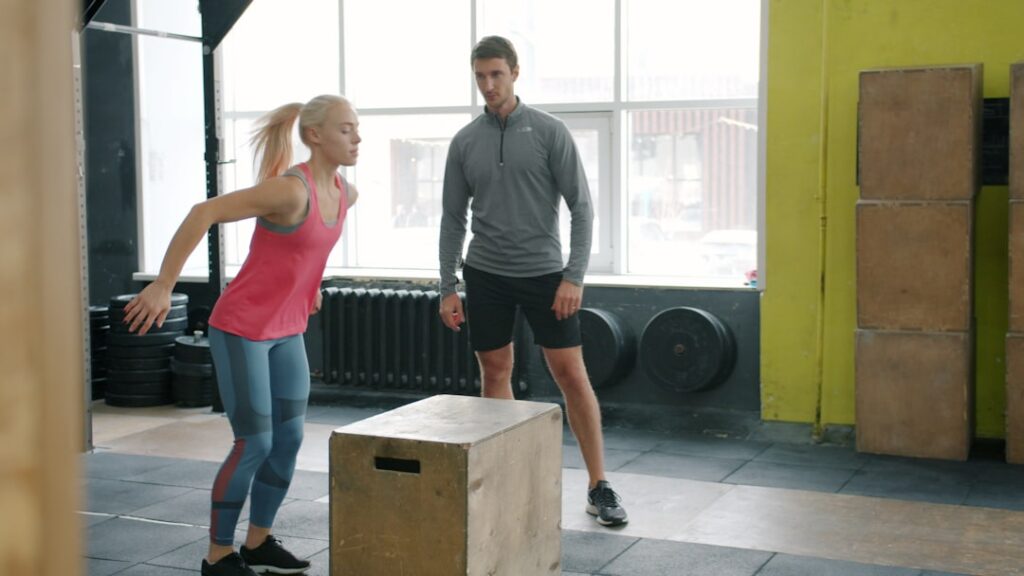
The Strength and Vitality Journal: Functional Fitness for Longevity and Cognitive Health is a structured program designed to integrate physical and cognitive exercises, aiming to improve overall well-being as individuals age. This journal, presented as a long-term resource, emphasizes the interconnectedness of physical strength, cognitive function, and vitality, advocating for a holistic approach to health maintenance.
Functional fitness, as espoused by the Journal, comprises exercises that mimic everyday movements. Rather than isolating individual muscles, functional training focuses on multi-joint, multi-planar movements that improve balance, coordination, strength, and flexibility. The goal is to enhance the body’s ability to perform daily tasks with greater ease and reduced risk of injury.
Defining Functional Movements
Functional movements often involve the use of bodyweight, free weights, resistance bands, or kettlebells. Examples include squats, lunges, pushes, pulls, twists, and gait patterns. The emphasis is on building strength and endurance that translates directly to real-world activities. Consider lifting a bag of groceries, rising from a chair, or reaching for an item on a high shelf – these are all functional movements. The program aims to optimize the neurological pathways and muscular systems involved in these actions.
Principles of Progressive Overload
To achieve sustained improvements, the Journal incorporates the principle of progressive overload. This means gradually increasing the demands placed on the body over time. This could involve increasing the weight lifted, the number of repetitions, the duration of an exercise, or the complexity of the movement. Without progressive overload, the body adapts, and further improvements plateau. The Journal provides a framework for tracking these adjustments, allowing individuals to monitor their progress and adjust their routines accordingly, much like slowly adding layers to a garment to keep warm.
The Role of Core Strength
A robust core is fundamental to functional fitness. The Journal dedicates significant attention to core exercises, which stabilize the spine and pelvis, providing a strong foundation for nearly all movements. A weak core can lead to inefficient movement patterns, increased risk of injury, and compromised balance. Think of the core as the central pillar of a building; a strong pillar ensures the entire structure remains stable.
In the latest issue of the Strength and Vitality Journal, the article titled “Functional Fitness for Longevity and Cognitive Health” explores the profound impact of physical activity on both lifespan and mental acuity. For readers interested in further enhancing their understanding of health and wellness, a related article can be found at this link, which delves into innovative approaches to maintaining vitality through creative engagement and exercise.
Integrating Cognitive Health
Beyond physical exercises, the Journal incorporates activities designed to stimulate and challenge cognitive functions. This approach recognizes the growing body of research demonstrating a strong link between physical activity and brain health.
The Brain-Body Connection
Physical exercise has been shown to increase blood flow to the brain, stimulate the production of neurotrophic factors (proteins that encourage the growth and survival of nerve cells), and reduce inflammation. These mechanisms contribute to neuroplasticity – the brain’s ability to reorganize itself by forming new neural connections. The Journal seeks to leverage this connection by pairing physical activity with cognitive challenges.
Cognitive Enhancement Strategies
The cognitive components of the Journal include a variety of mental exercises. These may involve puzzles, memory tasks, learning new skills, mindfulness practices, and strategic games. The aim is to engage different areas of the brain, promoting mental agility and resilience. For instance, learning a new language or musical instrument alongside a fitness regimen can create a powerful synergistic effect on cognitive function.
Dual-Task Training
A key aspect of the Journal’s approach to cognitive health is dual-task training. This involves performing a physical exercise while simultaneously engaging in a cognitive task. For example, walking while reciting a sequence of numbers backwards, or doing squats while answering trivia questions. This type of training challenges the brain’s ability to divide attention and process multiple stimuli, which can improve cognitive flexibility and reduce the risk of falls in older adults. It’s akin to juggling multiple balls; the more adept you become, the less likely one will drop.
Longevity and Well-being

The long-term objective of the Strength and Vitality Journal is to foster longevity and improve overall well-being. This is achieved through a sustained commitment to healthy habits, presented iteratively within the Journal’s structure.
Reducing the Risk of Chronic Diseases
Regular physical activity and cognitive engagement are established factors in reducing the risk of numerous chronic diseases, including cardiovascular disease, type 2 diabetes, certain cancers, and neurodegenerative conditions like Alzheimer’s disease. The Journal provides a structured pathway to incorporate habits that contribute to disease prevention. This is not a magic bullet, but a consistent application of scientific principles, much like building a robust immune system through consistent good habits, rather than relying on sporadic interventions.
Maintaining Independence and Quality of Life
As individuals age, maintaining physical and cognitive independence becomes increasingly important for quality of life. The functional fitness aspect of the Journal directly addresses the preservation of activities of daily living (ADLs) and instrumental activities of daily living (IADLs). By strengthening the body and sharpening the mind, individuals can continue to engage in the activities they value most, whether that’s gardening, traveling, or spending time with family.
Psychological Benefits
Beyond the physiological advantages, the Journal acknowledges the psychological benefits of a structured fitness and cognitive program. Regular exercise is known to reduce symptoms of depression and anxiety, improve mood, and enhance self-esteem. The act of setting and achieving fitness goals, combined with the mental stimulation provided, can foster a sense of accomplishment and purpose. This is a subtle but potent benefit, much like the quiet satisfaction of completing a challenging puzzle.
Structured Program Design
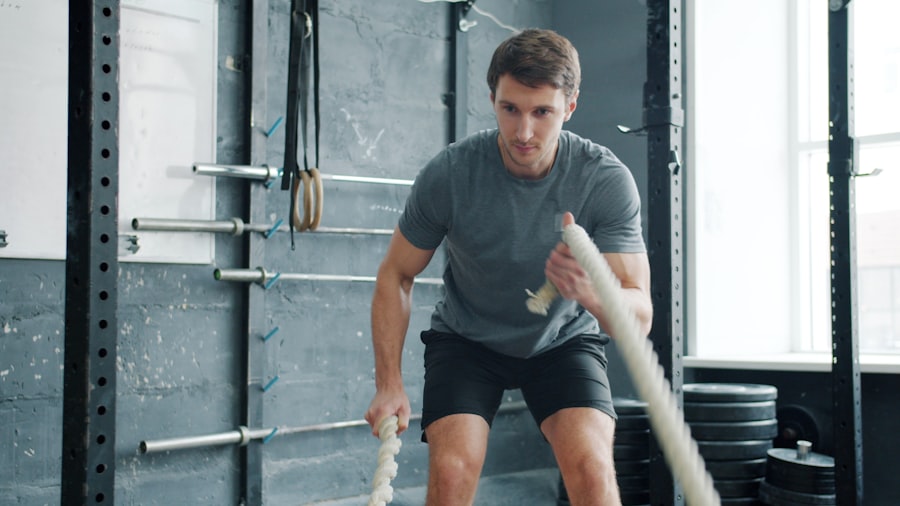
The Journal is designed as a progressive program, allowing individuals to start at their current fitness level and gradually increase intensity and complexity. It emphasizes personalization and consistency.
Assessment and Baseline Establishment
Before embarking on the program, the Journal recommends establishing a baseline for both physical and cognitive abilities. This may involve standardized fitness tests (e.g., timed walk, balance tests) and cognitive assessments (e.g., memory recall, processing speed). These initial measurements serve as benchmarks to track progress and adjust the program as needed. Without a starting point, it’s difficult to chart a true course.
Weekly and Monthly Planning
The Journal provides templates and guidance for weekly and monthly planning, encouraging individuals to schedule their workouts and cognitive activities. This structured approach helps in maintaining consistency and integrating the program into daily life. Flexibility is also built in, allowing for adjustments based on individual circumstances and energy levels.
Tracking Progress and Adjustments
A crucial element of the Journal is the emphasis on tracking. This includes logging workouts, recording cognitive scores, noting physical sensations, and reflecting on overall well-being. Regular review of these entries allows individuals to identify patterns, celebrate achievements, and make informed adjustments to their routines. Tracking acts as a compass, guiding the user through their fitness journey.
In exploring the themes of functional fitness and its impact on longevity and cognitive health, readers may find it beneficial to delve into a related article that discusses the importance of maintaining physical activity throughout life. This insightful piece emphasizes how regular exercise can enhance not only physical strength but also mental acuity as we age. For more information, you can check out this article that complements the findings presented in the Strength and Vitality Journal.
Practical Considerations and Long-Term Commitment
| Metric | Description | Typical Range | Relevance to Strength and Vitality |
|---|---|---|---|
| Muscle Strength (1RM) | Maximum weight lifted in one repetition | Varies by age and gender; e.g., 50-100 kg for adults | Indicator of functional fitness and muscle power |
| Grip Strength (kg) | Force exerted by hand grip | 20-40 kg for adults | Correlates with overall muscle strength and longevity |
| VO2 Max (ml/kg/min) | Maximum oxygen uptake during exercise | 30-50 ml/kg/min for healthy adults | Measures cardiovascular fitness and endurance |
| Balance Test (seconds) | Time able to maintain single-leg stance | 20-30 seconds typical for adults | Reflects neuromuscular control and fall risk |
| Cognitive Function Score | Assessment of memory, attention, and processing speed | Standardized test scores (e.g., 80-120 IQ equivalent) | Indicates cognitive health and brain vitality |
| Functional Movement Screen (FMS) Score | Evaluation of movement patterns and mobility | 0-21 scale; higher scores indicate better function | Predicts injury risk and functional fitness |
| Resting Heart Rate (bpm) | Beats per minute at rest | 60-80 bpm typical for adults | Lower rates often indicate better cardiovascular health |
| Body Composition (% Body Fat) | Percentage of fat mass relative to total body weight | 15-25% for healthy adults | Important for metabolic health and physical performance |
Engaging with the Strength and Vitality Journal requires sustained effort and an understanding of its practical implementation. It is not a quick fix but a commitment to a lifestyle.
Nutritional Support
While the Journal primarily focuses on exercise and cognitive tasks, it implicitly acknowledges the critical role of nutrition. A balanced diet, rich in whole foods, supports energy levels, muscle recovery, and brain health. Users are encouraged to consider their dietary habits as a complementary pillar to their fitness journey. Food serves as the fuel for this intricate machinery.
Sleep Hygiene
Adequate and quality sleep is another foundational element that underpins both physical and cognitive performance. The Journal may prompt individuals to reflect on their sleep patterns, as poor sleep can hinder recovery, impair cognitive function, and impact overall vitality. Sleep is the nightly reset button, crucial for optimal functioning.
Mindset and Motivation
Maintaining motivation over the long term is a significant challenge. The Journal encourages a growth mindset, viewing challenges as opportunities for improvement rather than deterrents. Setting realistic goals, celebrating small victories, and fostering a sense of self-efficacy are strategies embedded within the Journal’s reflective practices. This journey is a marathon, not a sprint, and steadfastness is the constant companion.
Consulting Professionals
The Journal is presented as a self-guided resource but advises consulting healthcare professionals (e.g., physicians, physical therapists, cognitive specialists) before starting any new fitness or cognitive program, especially for individuals with pre-existing health conditions. This precaution ensures the program is appropriate and safe for individual needs.
The Strength and Vitality Journal, therefore, serves as a framework for integrating functional fitness and cognitive exercises into a coherent strategy for promoting longevity and sustained well-being. Its systematic approach, emphasis on tracking, and holistic view of health position it as a tool for individuals seeking to actively manage their physical and cognitive health trajectory.