

A journal that integrates biofeedback into daily exercise routines offers a method for individuals to track and analyze physiological responses to physical activity. The concept centers on using biofeedback devices to gather data, which is then recorded and interpreted within the journal. This approach aims to provide users with a more nuanced understanding of their body’s performance and recovery, potentially leading to optimized training strategies and improved well-being. The “Strength and Vitality Journal: Integrating Biofeedback into Your Daily Exercise Routine” is a conceptual framework that outlines how such a system might function and the potential benefits it could offer.
The efficacy and widespread adoption of such a journal depend on several factors, including the accessibility and accuracy of biofeedback technology, the user’s ability to interpret the data, and the clarity of the journaling system itself. This journal serves as a bridge, translating the raw, electrochemical signals from the body into actionable insights for the individual.
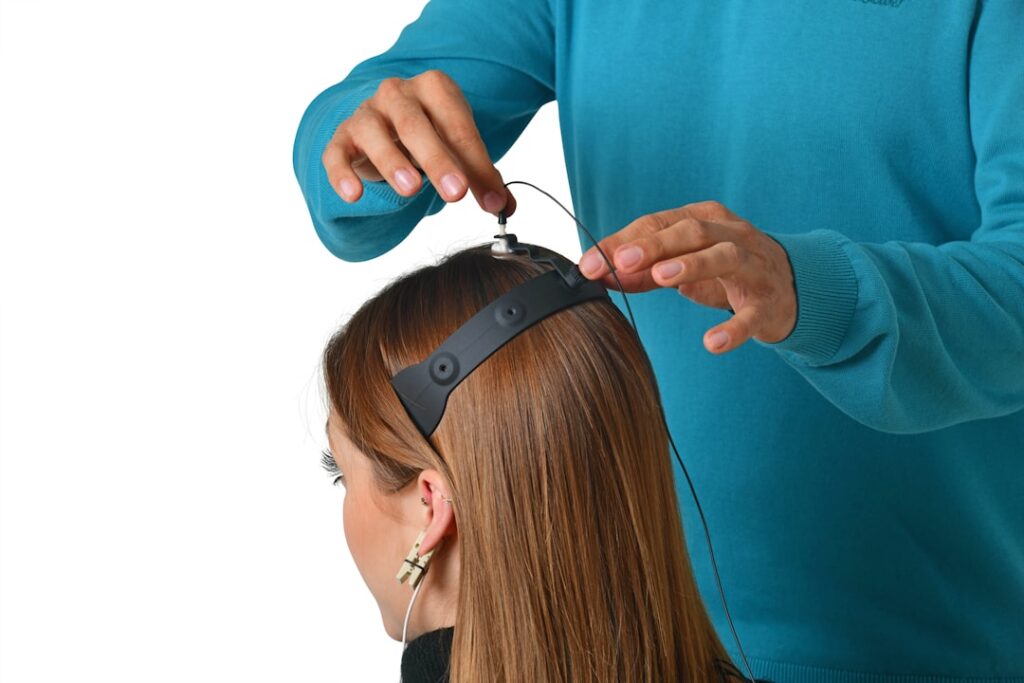
Biofeedback, at its core, involves providing an individual with real-time information about their own physiological processes. This information can be about heart rate, muscle tension, skin conductivity, or even brainwave activity. Typically, this data is gathered through sensors attached to the body and displayed on a monitor or presented through auditory cues. The goal is for the individual to learn to consciously control or modulate these internal processes.
The Physiology of Exercise and Response
During exercise, the body undergoes a cascade of physiological changes. Heart rate increases to deliver oxygen and nutrients to working muscles. Respiration rate elevates to facilitate gas exchange. Muscle fibers contract and relax, generating force and heat. Autonomic nervous system responses, such as changes in blood pressure and sweat production, also occur. These are not random fluctuations; they are finely tuned adaptations designed to meet the demands of the physical activity. Understanding these basic physiological responses is foundational to appreciating the data that biofeedback can provide.
Types of Biofeedback Technologies
Several types of biofeedback technology are relevant to exercise. Heart rate variability (HRV) monitors, often worn as chest straps or integrated into smartwatches, measure the fluctuations in time between heartbeats. This metric can offer insights into the balance of the autonomic nervous system and the body’s recovery status. Electromyography (EMG) devices measure electrical activity in muscles, indicating their level of activation or fatigue. Electrodermal activity (EDA) sensors, sometimes referred to as galvanic skin response (GSR) sensors, measure changes in skin’s electrical conductivity, which can be linked to stress and arousal levels. Even technologies that measure core body temperature or oxygen saturation (SpO2) can be considered forms of biofeedback when linked to exercise performance.
Learning to Interpret Physiological Signals
The raw data from biofeedback devices can appear as graphs, numbers, or sounds. For integration into a journal, this data needs to be translated into a comprehensible format. This involves recognizing patterns, understanding what deviations from baseline signify, and correlating these signals with subjective feelings of exertion or fatigue. For instance, a consistently high HRV during recovery periods might indicate successful adaptation to training, while a sharp drop during exercise could signal overexertion. The journal acts as a repository for this translation and interpretation.
In the quest for enhanced physical performance and overall well-being, the article titled “Integrating Biofeedback into Your Daily Exercise Routine” published in the Strength and Vitality Journal offers valuable insights into how biofeedback can optimize your workouts. For those interested in further exploring personalized approaches to health and wellness, you might find the article on customized coloring books particularly intriguing, as it discusses the therapeutic benefits of creative activities in conjunction with physical exercise. To read more about this innovative concept, visit here.
The Structure of the Strength and Vitality Journal
The Strength and Vitality Journal is designed to be a systematic record of exercise sessions, incorporating biofeedback data alongside traditional training logs. Its structure is crucial for effective implementation and analysis. It should facilitate easy data entry and encourage consistent reflection on the user’s physiological state.
Daily Entry Template
Each daily entry should provide a structured framework for recording information. This might include fields for the date, time, type of exercise performed (e.g., running, weightlifting, yoga), duration, intensity (e.g., perceived exertion scale, heart rate zone), and any specific goals for that session.
Biofeedback Data Integration Fields
Central to the journal are the sections dedicated to biofeedback data. These fields should be tailored to the specific biofeedback devices being used. For example, a user might have sections for:
- Heart Rate Variability (HRV): Resting HRV, HRV during exercise, and recovery HRV. Notes on trends (e.g., “HRV trending lower than usual today”).
- Muscle Activation/Fatigue: Pre-exercise muscle readiness scores, peak muscle activity during a set, or post-exercise fatigue levels as indicated by EMG.
- Electrodermal Activity (EDA): Baseline EDA, changes during perceived stressful moments of exercise, and recovery EDA.
- Oxygen Saturation (SpO2): Baseline SpO2, SpO2 during peak exertion, and recovery SpO2.
Subjective Experience and Qualitative Notes
Beyond objective biofeedback data, the journal should include space for subjective assessments. This includes:
- Perceived Exertion: A rating of how hard the exercise felt on a scale (e.g., Borg Scale). This provides a crucial qualitative counterpoint to the objective physiological data.
- Mood and Energy Levels: A rating of overall mood and energy before, during, and after the workout.
- Muscle Soreness and Discomfort: Notes on any aches, pains, or unusual sensations during or after exercise.
- Sleep Quality: As sleep is a critical component of recovery, its quality can significantly influence biofeedback readings and exercise performance.
Workout Performance Metrics
Traditional performance metrics should also be logged. This might include:
- Weights Lifted: For strength training.
- Distances Covered: For endurance activities.
- Repetitions and Sets: For resistance training.
- Personal Records (PRs): Highlighting achievements.
Implementing Biofeedback in Your Exercise Routine
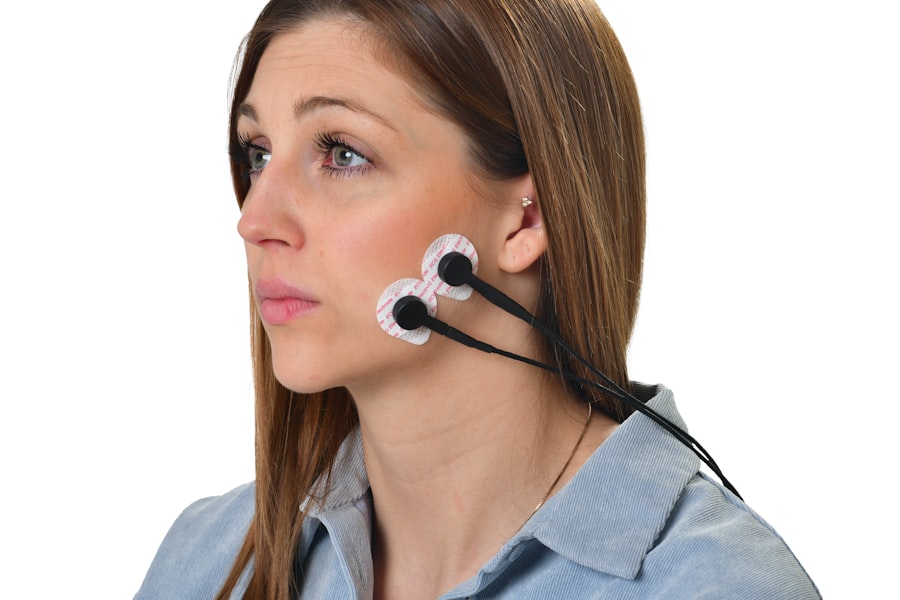
Integrating biofeedback is not simply about wearing a device; it requires a conscious effort to understand and act upon the information received. The journal serves as the central hub for this process, turning data into wisdom.
Selecting Appropriate Biofeedback Tools
The choice of biofeedback tools will depend on individual goals and the types of exercise performed.
- For Cardiovascular Fitness: HRV monitors and heart rate monitors are essential. These devices can help in training within specific heart rate zones, assessing recovery, and understanding the impact of stress on cardiovascular response.
- For Strength Training: While less common, EMG sensors could potentially provide insights into muscle engagement and fatigue, although practical application for daily journaling might be complex. More practically, tracking perceived exertion alongside heart rate can be a proxy for muscle fatigue.
- For General Wellness and Stress Management: EDA sensors and HRV monitors can offer insights into the body’s stress response during and after exercise, aiding in the development of mindful movement practices.
Establishing Baseline Measurements
Before embarking on a new journaling regimen, establishing baseline physiological measurements is crucial. This allows for a more accurate assessment of deviations and progress.
- Resting Measurements: Taking readings (e.g., resting heart rate, resting HRV) at consistent times under similar conditions (e.g., upon waking, before eating) provides a reliable baseline.
- Activity-Specific Baselines: Understanding how the body typically responds to specific exercises at a moderate intensity can also be valuable.
Correlating Biofeedback with Perceived Exertion
The synergy between objective biofeedback and subjective perception is paramount. If the biofeedback indicates low exertion, but the individual feels highly fatigued, this discrepancy warrants investigation. Conversely, if biofeedback suggests high physiological stress, but the individual feels energized, it might indicate a need to adjust training intensity upwards. This becomes a detective game, with the journal as the case file.
Identifying Patterns and Trends
The true power of biofeedback integration lies in identifying patterns over time. A single data point is informative, but a series of data points reveals trends.
- Recovery Patterns: Observing how quickly HRV returns to baseline after a strenuous workout can indicate training adaptation or overtraining.
- Stress Response Patterns: Noting how EDA spikes during specific exercises might reveal unexpected stressors or an opportunity to incorporate mindfulness techniques.
- Performance Plateaus: Biofeedback data might offer clues as to why performance is stagnating, perhaps pointing to insufficient recovery or inadequate intensity.
Analyzing and Reflecting on Your Data

The Strength and Vitality Journal is not merely a data-logging tool; it’s a catalyst for introspection and informed decision-making. Regular analysis and reflection transform raw numbers into meaningful insights.
Weekly and Monthly Review Process
Dedicate specific time slots for reviewing the journal entries.
- Weekly Review: This allows for adjustments to the upcoming week’s training plan based on the previous week’s performance and recovery. Look for immediate trends or anomalies.
- Monthly Review: This provides a broader perspective, enabling assessment of long-term progress, identification of recurring issues, and refinement of overall training goals.
Using Data to Inform Training Adjustments
The ultimate goal is to use the gathered information to optimize the exercise routine.
- Overtraining Detection: Consistently low HRV, elevated resting heart rate, and persistent fatigue logged in the journal can signal overtraining, prompting a need for rest or reduced intensity.
- Under-recovery Identification: Similar to overtraining, prolonged elevated stress markers could indicate insufficient recovery, even if the training load appears moderate.
- Optimizing Intensity: Biofeedback can help determine the optimal training zones for different individuals and for specific training goals. For instance, maintaining HRV within a certain range during intense sessions might be a marker of effective high-intensity interval training.
- Pacing Strategies: Understanding how heart rate and other metrics respond during different phases of a long endurance event can inform pacing strategies.
Connecting Physiological Data with Subjective Well-being
It is crucial to remember that biofeedback data is only one piece of the puzzle. The journal should aim to connect physiological responses with overall well-being.
- Stress and Exercise Interaction: How do biofeedback indicators of stress correlate with reported mood and energy levels? Does exercise alleviate or exacerbate stress?
- Sleep and Performance: How does reported sleep quality influence biofeedback metrics like HRV and subsequent exercise performance?
Goal Setting and Progress Tracking
The journal provides a concrete record of progress, making goal setting more tangible.
- Setting Realistic Goals: Based on historical data, users can set achievable fitness and recovery goals.
- Celebrating Milestones: The journal can highlight improvements, offering positive reinforcement.
In the latest issue of the Strength and Vitality Journal, the article on integrating biofeedback into your daily exercise routine offers valuable insights for enhancing performance and well-being. For those interested in further exploring how personalized coaching can complement these techniques, a related article can be found at this link, which discusses various coaching services designed to optimize your fitness journey. By combining biofeedback with expert guidance, individuals can achieve a more effective and tailored approach to their health and fitness goals.
Benefits of Integrating Biofeedback into Exercise
| Date | Exercise Type | Duration (minutes) | Heart Rate (bpm) | Muscle Tension (µV) | Energy Level (1-10) | Notes |
|---|---|---|---|---|---|---|
| 2024-06-01 | Cardio (Running) | 30 | 140 | 15 | 7 | Felt strong, steady pace |
| 2024-06-02 | Strength Training | 45 | 130 | 25 | 8 | Good muscle engagement, slight fatigue |
| 2024-06-03 | Yoga | 60 | 90 | 10 | 9 | Relaxed, improved breathing |
| 2024-06-04 | HIIT | 20 | 160 | 30 | 6 | High intensity, felt energized but tired |
| 2024-06-05 | Rest Day | 0 | 70 | 5 | 8 | Good recovery, felt refreshed |
The integration of biofeedback into an exercise journal offers a multi-faceted approach to fitness and well-being, moving beyond simply counting reps or miles.
Enhanced Self-Awareness
The primary benefit is a heightened understanding of one’s own body. Users learn to recognize the subtle physiological cues that precede fatigue, stress, or optimal performance. This becomes akin to learning a new language – the language of the body’s internal workings.
Improved Training Efficiency
By providing objective data, biofeedback can help individuals train smarter, not just harder. This can lead to more effective workouts, faster progress, and a reduced risk of plateaus. It helps avoid the common pitfall of pushing too hard when the body needs rest, or not pushing hard enough when the body is ready to adapt.
Injury Prevention
By identifying early signs of overexertion or chronic stress, biofeedback can contribute to injury prevention. Listening to the body’s signals, as amplified by biofeedback, can help avoid pushing through pain or accumulating fatigue that leads to breakdowns.
Optimized Recovery Strategies
Understanding recovery metrics like HRV allows individuals to tailor their rest and recovery periods more effectively. This ensures that the body has adequate time to repair and rebuild, leading to better long-term adaptation.
Increased Motivation and Engagement
Seeing tangible data that correlates with effort and progress can be a powerful motivator. The journal becomes a personal roadmap, demonstrating the impact of consistent effort and the benefits of mindful training. It transforms abstract goals into measurable achievements.
Holistic Health Management
The integration of biofeedback extends beyond athletic performance. It offers insights into how exercise impacts stress levels, sleep quality, and overall physiological balance, fostering a more holistic approach to health and well-being. It reveals the interconnectedness of physical activity with other lifestyle factors.
In the latest issue of the Strength and Vitality Journal, the article on integrating biofeedback into your daily exercise routine offers valuable insights for enhancing physical performance and well-being. For those interested in exploring further, a related piece discusses the psychological benefits of biofeedback training, which can significantly complement your fitness journey. You can read more about it in this informative article here.
Advanced Applications and Future Directions
While the foundational Strength and Vitality Journal focuses on integrating existing biofeedback technologies, there are avenues for expansion and future development.
Wearable Technology Advancements
The continued evolution of wearable technology promises more sophisticated and integrated biofeedback sensors. Future journals might incorporate data from a wider array of sensors, providing an even richer picture of physiological responses. This could include real-time glucose monitoring during exercise or more advanced sleep stage analysis.
AI and Machine Learning for Data Analysis
Artificial intelligence and machine learning algorithms hold significant potential for analyzing the vast amounts of data generated by biofeedback devices. These technologies could offer personalized recommendations, predict potential issues before they arise, and tailor training plans with unprecedented precision. Imagine an AI assistant that analyzes your journal data and suggests specific recovery modalities or training intensity adjustments.
Integration with Other Health Platforms
Future iterations of the Strength and Vitality Journal could seamlessly integrate with broader health and wellness platforms, allowing users to see how their exercise data correlates with nutrition, mental health, and other lifestyle factors. This creates a comprehensive digital health ecosystem.
Personalized Training Programs
The long-term vision is the development of highly personalized training programs driven by biofeedback data. The journal would evolve into a dynamic system that continuously adapts to the individual’s physiological responses and progress, acting as a digital coach.
Research and Validation
As biofeedback technology becomes more commonplace in exercise, further research will be crucial to validate the efficacy of journaling methodologies and specific biofeedback metrics in diverse populations and for various training goals. Rigorous scientific study will solidify the scientific underpinnings of this approach.