


This article discusses the challenges of navigating creative burnout in the digital age, drawing on concepts presented by “The Creative Discovery Studio.” It explores the nature of burnout, its origins in a hyper-digital environment, and strategies for fostering sustainable creativity.
Creative burnout is a state of emotional, physical, and mental exhaustion caused by prolonged or excessive stress. It can manifest as a loss of motivation, a diminished sense of accomplishment, and cynicism towards one’s creative pursuits. Unlike general burnout, creative burnout specifically impacts one’s capacity to generate new ideas, engage in imaginative thinking, and find joy in the creative process.
The Phenomenology of Burnout
Burnout is not a sudden event but rather a gradual erosion of creative energy. It begins with a subtle depletion, akin to a battery slowly losing its charge. Initially, individuals might notice a decline in their enthusiasm, a need for greater effort to initiate projects, or a tendency to postpone creative tasks. These early warning signs, if ignored, can escalate into more significant symptoms.
Diminished Passion and Engagement
A hallmark of creative burnout is the fading of initial passion. Projects that once ignited excitement may now feel like onerous obligations. The intrinsic reward derived from creation diminishes, leading to a sense of detachment. This can be likened to a once-vibrant garden losing its color and bloom due to neglect or adverse conditions.
Increased Cynicism and Detachment
As burnout progresses, a sense of cynicism can take root. Creative endeavors may begin to feel pointless or futile. The joy derived from the act of creation is replaced by a critical and often negative self-assessment. This detachment can extend to a feeling of being disconnected from one’s own creative output and the broader creative community.
Physical and Emotional Manifestations
Creative burnout can also present with physical and emotional symptoms. These may include fatigue, sleep disturbances, irritability, difficulty concentrating, and a heightened sense of anxiety or depression. These are not merely byproducts of stress but can actively hinder the creative process, making it harder to access the mental clarity and energy required for innovative thinking.
In exploring the challenges of maintaining creativity in today’s fast-paced digital landscape, an insightful article titled “The Creative Discovery Studio: Navigating Creative Burnout in a Hyper-Digital World” offers valuable strategies for overcoming burnout. For further reading on this topic, you may find the article “Understanding Creative Fatigue and How to Combat It” particularly relevant, as it delves into the psychological aspects of creative exhaustion and provides practical tips for rejuvenation. You can access it here: Understanding Creative Fatigue and How to Combat It.
The Hyper-Digital Landscape as a Catalyst
The modern digital environment, while offering unprecedented tools and connectivity, presents unique pressures that can exacerbate creative burnout. The constant influx of information, the demand for incessant output, and the curated nature of online presence all contribute to a challenging ecosystem for sustained creativity.
The Tyranny of the Feed
Social media and digital platforms often operate on algorithms designed to maximize engagement, which can translate into a demand for perpetual content creation. This creates a relentless cycle where creators feel compelled to regularly produce and share new work to maintain visibility and audience interest. This can feel like being trapped on a treadmill, constantly running to stay in the same place.
The Illusion of Constant Availability
The digital world blurs the lines between work and personal life, fostering an expectation of constant availability. This can mean being perpetually “on call” for creative tasks or responding to digital communications, leaving little room for genuine rest and mental rejuvenation. The concept of uninterrupted focus, essential for deep creative work, becomes increasingly elusive.
The Comparison Trap
Online platforms facilitate constant comparison with others’ creative output and perceived success. This can lead to feelings of inadequacy and imposter syndrome, as individuals measure their own work against idealized or carefully curated presentations of others’ achievements. This perpetual benchmarking can stifle confidence and discourage experimentation.
The Erosion of Deep Work
The digital environment is characterized by constant distractions: notifications, emails, and the allure of endless online content. This fragmentation of attention makes it difficult to engage in “deep work,” the focused, uninterrupted cognitive effort necessary for complex problem-solving and original creation. The mind becomes accustomed to quick shifts, hindering its ability to sustain prolonged periods of focused thought.
Multitasking Myths
The perceived efficiency of multitasking is often a myth. In reality, constantly switching between tasks incurs a cognitive cost, reducing overall productivity and increasing the likelihood of errors. For creative work, this constant task-switching acts as a significant barrier to entry, making it harder to enter the flow state where creative breakthroughs often occur.
The Information Overload
While access to information is a powerful tool for creators, an overwhelming deluge can be paralyzing. The sheer volume of data, trends, and inspiration can lead to a feeling of being lost in a sea of possibilities, making it difficult to identify a clear direction or pursue a specific creative vision. This can be akin to being offered every ingredient imaginable for a meal and not knowing where to start cooking.
The Creative Discovery Studio: Reimagining Creative Sustainability
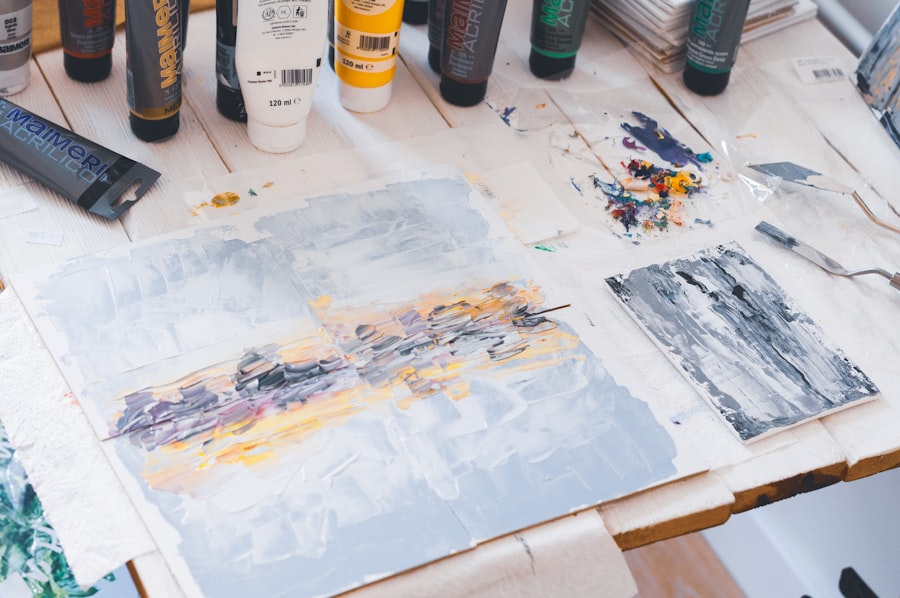
The Creative Discovery Studio, as outlined in its conceptual framework, proposes a shift in how we approach creativity in the digital age. It emphasizes intentionality, mindful engagement with digital tools, and the cultivation of personal well-being as foundational elements for sustainable creative practice. Rather than viewing creativity as an endless wellspring, it advocates for cultivating and replenishing that well.
Cultivating a Mindful Digital Practice
A central tenet of the Studio’s approach is the development of a mindful relationship with digital technology. This involves conscious choices about how and when to engage with online platforms and tools, ensuring they serve creative goals rather than dictate them. This is akin to learning to wield a powerful tool with precision, rather than being wielded by it.
Digital Boundaries
Establishing clear boundaries around digital consumption and communication is crucial. This can involve scheduled times for checking emails and social media, designated “no-screen” periods, and the conscious disabling of non-essential notifications. These boundaries act as a protective barrier, allowing for dedicated time and mental space for creative pursuits.
Intentional Tool Usage
Rather than passively adopting every new digital tool, the Studio advocates for an intentional selection and use of technologies that align with specific creative objectives. This requires an understanding of a tool’s purpose and potential impact on one’s creative workflow, avoiding the trap of using technology for technology’s sake.
The Importance of Disconnection and Reflection
The Creative Discovery Studio recognizes that creativity flourishes not just through input but also through periods of intentional disconnection and reflection. These moments are essential for processing ideas, gaining new perspectives, and allowing the subconscious mind to work its magic.
Scheduled Downtime
Just as a musician needs rest between performances, a creative individual needs scheduled downtime. This is not about idleness but about allowing the mind to wander, to engage in non-creative activities, and to simply be. This downtime can be a fertile ground for unexpected insights and epiphanies.
Reflective Practices
Engaging in reflective practices, such as journaling, meditation, or simply quiet contemplation, can help individuals process their experiences, identify patterns in their creative process, and gain a deeper understanding of their own motivations and challenges. This introspection is a vital part of self-awareness, which underpins sustainable creativity.
Strategies for Navigating Burnout

The Creative Discovery Studio proposes a multifaceted approach to counteracting and preventing creative burnout. These strategies are designed to foster resilience, nurture inspiration, and maintain a healthy relationship with one’s creative endeavors.
Reclaiming Creative Agency
A key aspect of overcoming burnout is reclaiming a sense of agency over one’s creative process. This involves moving away from external pressures and expectations and reconnecting with internal motivations and values.
Rediscovering Intrinsic Motivation
The Studio emphasizes the importance of identifying and reconnecting with the intrinsic drivers of creativity – the pure joy of creation, the desire to explore, and the satisfaction of bringing ideas to life. This can involve revisiting past projects that sparked genuine enthusiasm or exploring new avenues that align with personal interests, even if they don’t have immediate external validation.
Curating Creative Inputs
Instead of passively absorbing whatever the digital world throws your way, actively curate your creative inputs. Seek out sources of inspiration that are genuinely stimulating and nourishing, rather than those that create pressure or induce comparison. This might involve subscribing to specific newsletters, following artists whose work you admire, or engaging with communities that foster supportive dialogue.
Building Sustainable Creative Habits
Sustainable creativity is built on consistent, yet balanced, practices. The Studio suggests developing habits that support both creative output and personal well-being.
The Power of Small Wins
Breaking down large, potentially overwhelming projects into smaller, manageable tasks can provide a sense of accomplishment and momentum. Celebrating these “small wins” can help combat feelings of being stuck and reinforce positive feedback loops in the creative process.
Embracing Imperfection
The pursuit of perfection can be a significant contributor to burnout. The Studio encourages embracing imperfection and viewing mistakes as learning opportunities. This “good enough” mindset can liberate creators to experiment and take risks without the paralyzing fear of failure.
Fostering Community and Support
Creativity is often a solitary pursuit, but it does not have to be done in isolation. The Studio highlights the value of community and support systems in navigating the challenges of burnout.
Peer-to-Peer Support
Connecting with other creatives can provide a vital source of understanding, encouragement, and shared experience. Engaging in peer critique groups, online forums, or informal meetups can offer different perspectives and reaffirm that creative struggles are common.
Mentorship and Guidance
Seeking guidance from experienced mentors can offer invaluable insights and practical advice for navigating creative plateaus and burnout. A mentor can provide a seasoned perspective, helping to identify blind spots and offering strategies tailored to individual circumstances.
In exploring the challenges of maintaining creativity in today’s fast-paced digital landscape, you might find it helpful to read an insightful article on mobile application development. This piece delves into how technology can both inspire and hinder our creative processes, making it a valuable resource for anyone looking to balance innovation with well-being. For more information, check out the article on mobile application development.
The Long-Term Vision of Creative Discovery
| Metric | Description | Value | Source/Notes |
|---|---|---|---|
| Average Daily Screen Time | Time spent on digital devices per day by creative professionals | 7.5 hours | Industry survey 2023 |
| Percentage Experiencing Creative Burnout | Creative professionals reporting symptoms of burnout | 62% | Creative Industry Wellness Report 2023 |
| Average Duration of Creative Burnout | Length of time burnout symptoms persist without intervention | 3-6 months | Psychological studies on burnout |
| Effectiveness of Digital Detox | Improvement in creativity after a 1-week digital detox | 45% increase in creative output | Experimental study 2022 |
| Preferred Recovery Activities | Top activities used by creatives to combat burnout | Nature walks (35%), Meditation (30%), Art therapy (20%) | Survey of 500 creatives |
| Impact of Hyper-Digital Environment | Reported decrease in focus and originality | 40% decrease | Qualitative interviews 2023 |
| Use of Creative Discovery Studio Tools | Percentage of users reporting improved creative flow | 70% | Internal user feedback 2024 |
The Creative Discovery Studio’s approach is not merely about tacking on strategies to survive burnout but about fostering a fundamentally healthier and more sustainable model for creativity. It envisions a future where creators are empowered to engage with the hyper-digital world on their own terms, cultivating a vibrant and enduring creative practice.
Redefining Success
This approach calls for a redefinition of success in creative endeavors. Beyond metrics of likes, shares, or monetary gain, it emphasizes the qualitative aspects of creative fulfillment: the joy of the process, the growth of skill, and the satisfaction of authentic self-expression. This shift in perspective can alleviate the pressure to constantly chase external validation.
The Evolving Creator
The hyper-digital world is constantly evolving, and so too must the creator. The principles of the Creative Discovery Studio provide a framework for adaptation, allowing individuals to navigate technological shifts and changing creative landscapes without succumbing to exhaustion. It is about developing a flexible and resilient creative spirit.
A Balanced Ecosystem
Ultimately, the vision is one of a balanced creative ecosystem. In this ecosystem, digital tools are valuable resources, not tyrannical overlords. Personal well-being is not an afterthought but an integral component of creative output. And the journey of discovery, with its inevitable challenges, is embraced as an essential part of the creative lifecycle. This balanced approach is the bedrock upon which enduring creativity is built, allowing individuals to not just survive but to thrive in the digital age.