


Strength and Vitality Journal: Building Resilience Through Consistent Strength Training is a conceptual fitness and wellness resource emphasizing the integration of strength training with broader aspects of personal resilience. This journal posits a methodical approach to physical development, linking it directly to mental fortitude and overall well-being. It is designed to guide individuals through a structured program, thereby fostering sustained progress and adaptability.
Resilience, in the context of this journal, transcends the mere ability to recover from physical exertion. It encompasses an individual’s capacity to adapt to stress, overcome adversity, and maintain a stable psychological state. While often associated with mental preparedness, resilience has tangible physiological underpinnings. Consistent strength training, as advocated by this journal, serves as a primary vehicle for cultivating these foundational elements.
Physiological Adaptations and Stress Response
Strength training initiates a cascade of physiological adaptations. Muscle hypertrophy, increased bone density, and improved cardiovascular efficiency are well-documented outcomes. Less immediately apparent, but equally critical, is its impact on the body’s stress response system. Regular exertion, when appropriately managed, conditions the hypothalamic-pituitary-adrenal (HPA) axis, improving its ability to regulate cortisol and other stress hormones. This recalibration contributes to a more balanced and effective stress response, both physically and psychologically.
The Neuromuscular Connection
The neuromuscular system, a complex network facilitating communication between the brain and muscles, is significantly refined through strength training. This refinement enhances proprioception, coordination, and motor unit recruitment. Beyond the gym, improved neuromuscular control translates to better balance, reduced risk of injury in daily activities, and a heightened sense of bodily awareness. This intrinsic connection between mind and muscle forms a crucial pillar of overall resilience, allowing for more precise and adaptable responses to physical and environmental demands.
In the latest issue of the Strength and Vitality Journal, the article “Building Resilience Through Consistent Strength Training” explores the profound impact of regular strength training on mental and physical resilience. This topic is further elaborated in a related article that discusses the psychological benefits of exercise, emphasizing how a structured workout routine can enhance overall well-being. For more insights, you can read the article here: Psychological Benefits of Exercise.
Structured Progression: A Blueprint for Development
The Strength and Vitality Journal proposes a structured approach to strength training, moving beyond arbitrary exercise selection. It advocates for principled progression, where training variables are systematically manipulated to elicit continuous improvement. This methodical framework provides a clear path for development, mitigating plateaus and fostering long-term adherence.
Periodization and Phased Training
Periodization, the systematic planning of training, is a cornerstone of this approach. It involves dividing the training year into distinct phases, each with specific objectives. Macrocycles, mesocycles, and microcycles are utilized to manage training volume and intensity, ensuring adequate recovery and preventing overtraining. This phased structure allows for targeted development, addressing specific adaptations such as strength, hypertrophy, or endurance at different points in the training year.
Progressive Overload: The Catalyst for Adaptation
Progressive overload, the gradual increase in training stimulus over time, is the fundamental principle driving adaptation. This can be achieved through various means: increasing resistance, reps, sets, frequency, or decreasing rest periods. The journal emphasizes the importance of tracking these variables meticulously. Think of progressive overload as the current in a river; without it, the river remains stagnant, but with its consistent flow, it carves deeper channels and reshapes the landscape. Without consistently challenging your body, it has no impetus to adapt and grow stronger.
Beyond the Barbell: Holistic Well-being Integration
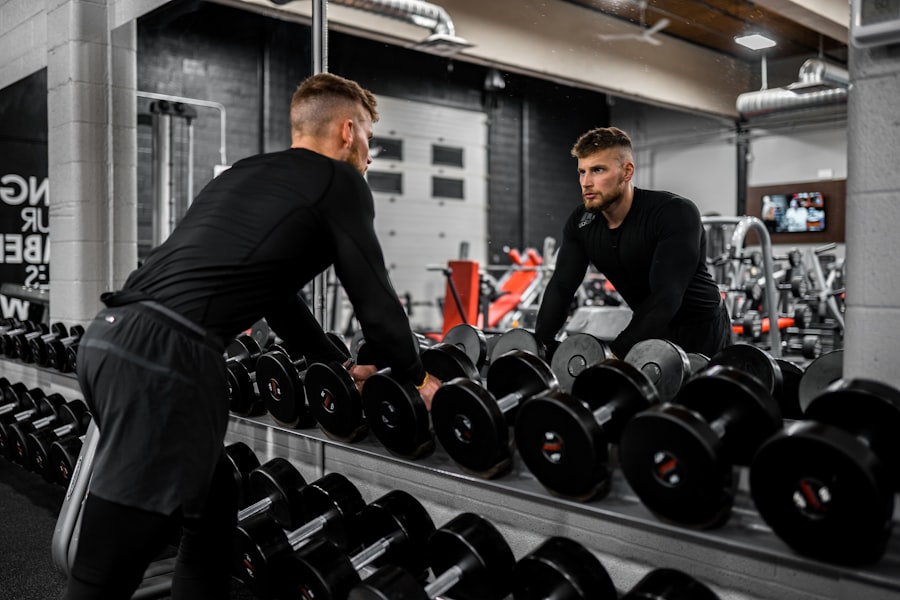
The Strength and Vitality Journal extends its scope beyond the physical parameters of strength training, recognizing the interconnectedness of various lifestyle factors in contributing to overall vitality and resilience. It encourages individuals to view their physical training as one component within a larger system of well-being.
Nutrition as a Performance and Recovery Pillar
Nutrition is presented not merely as sustenance, but as a critical determinant of performance, recovery, and overall health. The journal encourages mindful eating, emphasizing macronutrient balance, micronutrient adequacy, and hydration. It provides guidance on understanding energy requirements, nutrient timing, and the role of various food groups in supporting physiological functions essential for strength adaptation and resilience. Think of nutrition as the fuel for your internal engine; even the most finely tuned machine will falter without the correct and sufficient grade of fuel.
Sleep and Recovery: The Unsung Heroes
Adequate sleep and strategic recovery practices are highlighted as indispensable. Sleep deprivation impairs cognitive function, hormone regulation, and muscle repair, undermining the benefits of training. The journal advocates for prioritizing 7-9 hours of quality sleep per night and incorporating active recovery strategies, such as mobility work and light activity, to promote blood flow and reduce muscle soreness. Recovery is not merely the absence of training; it is an active process of regeneration and adaptation.
Mental Fortitude: Cultivating Inner Strength

The discipline and challenge inherent in consistent strength training serve as a potent training ground for cultivating mental fortitude. The Strength and Vitality Journal draws parallels between pushing physical limits and developing mental resilience, demonstrating how the former can directly enhance the latter.
Goal Setting and Achievement
The process of setting measurable strength goals, working towards them diligently, and ultimately achieving them, cultivates a sense of accomplishment and self-efficacy. This positive feedback loop reinforces the belief in one’s ability to overcome challenges, a core component of mental resilience. The journal encourages breaking down larger goals into smaller, manageable steps, making the journey less daunting and more achievable.
Overcoming Discomfort and Adversity
Strength training inherently involves confronting discomfort, fatigue, and occasional setbacks. The ability to persist through challenging sets, to push past perceived limits, and to bounce back from a missed lift or a stalled plateau, directly translates to an improved capacity for handling adversity in other areas of life. Each difficult repetition or challenging workout is an opportunity to practice mental fortitude, building a thicker skin against life’s harsher realities.
In the pursuit of enhancing overall well-being, the article on career development coaching offers valuable insights that complement the findings in the Strength and Vitality Journal: Building Resilience Through Consistent Strength Training. By integrating principles of resilience from both strength training and effective career strategies, individuals can cultivate a more robust approach to personal and professional challenges. For more information on how to develop resilience in various aspects of life, you can explore the article on career development coaching.
Journaling and Self-Reflection: The Path to Understanding
| Metric | Description | Example Data | Frequency |
|---|---|---|---|
| Workout Duration | Length of each strength training session | 45 minutes | 3-5 times per week |
| Weight Lifted | Amount of weight used per exercise | Bench Press: 100 lbs | Tracked per session |
| Repetitions | Number of reps per set | 3 sets of 12 reps | Tracked per exercise |
| Rest Time | Rest period between sets | 60 seconds | Consistent per workout |
| Energy Levels | Self-reported vitality before and after workouts | Before: 6/10, After: 8/10 | Daily |
| Resilience Score | Subjective rating of mental and physical resilience | 7/10 | Weekly |
| Progress Tracking | Improvements in strength or endurance over time | Bench Press increased by 10 lbs in 4 weeks | Monthly |
A central element of the Strength and Vitality Journal is the emphasis on consistent journaling and self-reflection. This practice transforms the training process from a purely physical activity into a reflective journey of self-discovery and continuous improvement.
Tracking Progress and Identifying Patterns
Detailed logging of workouts – including exercises performed, sets, reps, weight, and perceived exertion – provides empirical data for tracking progress. Beyond the numbers, recording subjective feelings, energy levels, and any physical discomfort allows for the identification of patterns. This data-driven approach enables individuals to make informed adjustments to their training and lifestyle, optimizing their journey towards strength and vitality. Think of your journal as a compass; it helps you navigate your path, showing you where you’ve been and guiding you toward your desired destination.
Emotional and Psychological Insights
The journal encourages reflection on mental states before, during, and after training. How did you feel entering the gym? How did you react to a challenging set? What emotions arose when you achieved a new personal best (PB)? These insights provide a window into your psychological landscape, revealing your coping mechanisms, self-talk patterns, and emotional responses to stress and challenge. This deeper understanding is crucial for building comprehensive resilience, acknowledging that the mind is as much a muscle as any other, requiring its own training and development.
In conclusion, the Strength and Vitality Journal: Building Resilience Through Consistent Strength Training provides a comprehensive framework for personal development. It systematically links physical training to broader aspects of resilience, encouraging a holistic approach to well-being. By embracing structured progression, optimizing lifestyle factors, cultivating mental fortitude, and engaging in reflective journaling, individuals can leverage strength training not only to build a stronger body but also to forge an indomitable spirit, equipping them to navigate life’s challenges with greater adaptability and enduring vitality. The journal serves as a practical guide, transforming the abstract concept of resilience into a tangible, actionable process, allowing individuals to become the architects of their own robust well-being.