

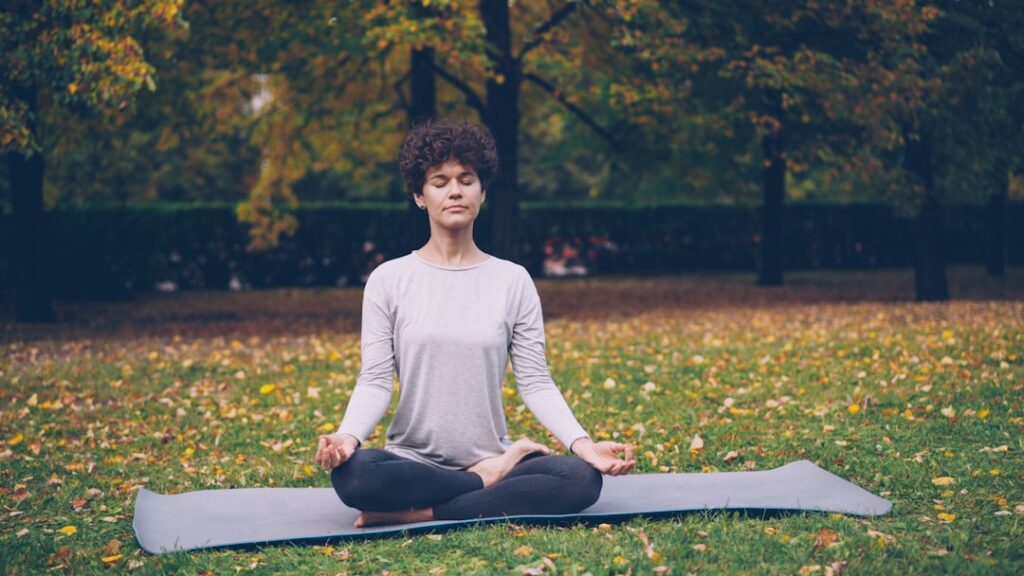
The “Me Time Method” is a structured approach to integrating mindfulness and self-care practices into demanding professional and personal schedules. It emphasizes proactive rather than reactive self-maintenance, recognizing that sustained performance in high-pressure environments requires deliberate strategies for mental and emotional resilience. This method is not a panacea for all forms of stress, but rather a framework for developing individual coping mechanisms and enhancing present-moment awareness. The efficacy of the Me Time Method lies in its adaptability and its focus on consistent, albeit brief, engagements with mindfulness principles.
The Me Time Method draws upon established psychological and philosophical traditions that advocate for self-reflection and present-moment awareness. Its roots can be traced to various disciplines, including Buddhist mindfulness practices, cognitive behavioral therapy (CBT) principles, and modern stress management techniques. The core premise is that individuals in high-stakes situations often operate in a state of continuous anticipation or rumination, leading to diminished focus and increased rates of burnout. The method seeks to counteract this by compartmentalizing periods for intentional disengagement and mental recalibration.
Eastern Philosophical Influences
Early conceptualizations of self-care frequently appear in ancient Eastern philosophies, specifically within Buddhist and Taoist traditions. These philosophies emphasize the importance of non-attachment to outcomes, the cultivation of inner peace, and the avoidance of excessive striving. While not directly prescribing a “Me Time Method,” these traditions lay the groundwork for understanding the benefits of regular mental breaks and the development of a detached observer perspective. The Me Time Method translates these ancient principles into actionable, secular practices for contemporary life.
Western Psychological Contributions
In Western psychology, concepts like self-regulation, emotional intelligence, and cognitive restructuring contribute significantly to the Me Time Method’s framework. Research in positive psychology, in particular, has highlighted the importance of gratitude, flow states, and personal strengths in fostering well-being. The Me Time Method incorporates these empirical findings by encouraging individuals to identify and engage in activities that genuinely replenish their mental and emotional reserves, moving beyond a purely deficit-based approach to stress management.
For those interested in exploring mindfulness techniques further, a related article titled “My Strength Supplements Survey” offers insights into how physical wellness can complement mental well-being in high-pressure environments. By integrating mindfulness practices with a focus on physical health, individuals can enhance their overall resilience. You can read more about this connection in the article available at My Strength Supplements Survey.
Core Principles of the Me Time Method
The Me Time Method operates on several foundational principles designed to integrate seamlessly into busy lives. These principles address the common barriers to self-care, such as perceived lack of time, feelings of guilt, and uncertainty regarding effective techniques.
Intentionality and Prioritization
A cornerstone of the Me Time Method is the concept of intentionality. Rather than passively waiting for opportunities for self-care to arise, individuals are encouraged to actively schedule and protect these periods. This shifts “me time” from a luxury to a non-negotiable component of a sustainable work-life balance. Treating these periods as important appointments, much like professional meetings, reinforces their significance.
Micro-Practice Integration
The method emphasizes the utility of “micro-practices”—brief, focused mindfulness exercises or self-care activities that can be integrated into small pockets of time throughout the day. This addresses the common misconception that significant time commitments are required for effective mindfulness. Even a five-minute breathing exercise or a brief mental scan can be impactful when practiced consistently.
Non-Judgmental Observation
A key element derived from traditional mindfulness is the practice of non-judgmental observation. When engaging in “me time,” individuals are encouraged to simply observe their thoughts, feelings, and bodily sensations without labeling them as good or bad. This detachment can reduce the emotional intensity of stressors and foster a sense of calm.
Personalization and Adaptability
Recognizing that no single approach fits all, the Me Time Method stresses personalization. Individuals are encouraged to experiment with various techniques and activities to discover what genuinely resonates with them and effectively recharges their mental and emotional batteries. The method is designed to be a flexible framework, adaptable to different schedules, preferences, and environmental constraints.
Implementing the Me Time Method: Practical Techniques

Implementing the Me Time Method involves a toolkit of practical techniques that can be applied in various high-pressure scenarios. These techniques are designed to be accessible and require minimal external resources.
Structured Breathing Exercises
Breathing exercises are fundamental to many mindfulness practices. The Me Time Method advocates for specific techniques to regulate the nervous system.
The 4-7-8 Breathing Technique
This technique, popularized by Dr. Andrew Weil, involves inhaling quietly through the nose for a count of four, holding the breath for a count of seven, and exhaling completely through the mouth with a whoosh sound for a count of eight. Repeating this cycle several times can quickly induce a state of relaxation by engaging the parasympathetic nervous system. It serves as an immediate anchor for returning to the present moment.
Box Breathing (Tactical Breathing)
Often used in high-stress professions, box breathing involves inhaling for a count of four, holding for a count of four, exhaling for a count of four, and holding again for a count of four before repeating the cycle. This method helps to normalize breathing patterns and can be performed discreetly, making it suitable for short breaks during intense work periods. It provides a structured rhythm to counter erratic breathing caused by stress.
Mindful Movement and Physical Disengagement
Physical activity, even in small doses, can significantly impact mental clarity and stress reduction. The Me Time Method incorporates mindful movement rather than merely exercise.
Desk-Based Stretching and Posture Checks
Brief periods of stretching at a desk can alleviate physical tension that often accompanies prolonged work, which in turn reduces mental fatigue. Simple neck rolls, shoulder shrugs, and gentle spinal twists can be performed without leaving one’s workspace. Regular posture checks, where one consciously realigns the spine and relaxes the shoulders, also contribute to physical and mental ease.
Walking Meditation (Brief)
A short walk, particularly outdoors, can serve as a potent form of “me time.” The method encourages individuals to engage in walking meditation, where attention is brought to the sensation of the feet touching the ground, the rhythm of one’s breath, and the visual or auditory stimuli of the environment. This shifts focus away from internal stressors to external, neutral observations.
Sensory Grounding Techniques
Engaging the senses can be a powerful way to anchor oneself in the present and interrupt cycles of anxious thought.
The 5-4-3-2-1 Technique
This technique is a quick distress tolerance method. Individuals identify five things they can see, four things they can touch, three things they can hear, two things they can smell, and one thing they can taste. This systematic engagement of the senses pulls attention away from internal dialogue and firmly places it in the immediate environment. It’s particularly useful in moments of acute stress or panic.
Mindful Eating or Drinking
Even a short coffee break or a snack can become a “me time” opportunity. The practice involves bringing full attention to the food or drink: its aroma, texture, temperature, and taste. Eating slowly and savoring each bite, rather than consuming mindlessly, can transform a routine activity into a restorative mindful practice. This provides a tangible anchor to the present moment.
Overcoming Obstacles to Consistent Practice

Adhering to the Me Time Method consistently can be challenging, especially in high-pressure environments where demands are constant. Recognizing and addressing these common obstacles is crucial for sustained engagement.
Addressing Time Scarcity Perceptions
The most frequently cited barrier is a perceived lack of time. The Me Time Method directly counters this by emphasizing micro-practices. Individuals are encouraged to reframe time allocation, recognizing that even 5-10 minutes of intentional self-care can prevent hours of reduced productivity due to stress or exhaustion. Viewing “me time” as an investment in efficiency rather than a departure from work can shift perspective.
Managing Guilt and Self-Judgment
Many individuals, especially those in service-oriented or highly competitive fields, experience guilt when taking breaks. They may believe that breaks signify weakness or inefficiency. The Me Time Method addresses this by normalizing self-care as an essential component of high performance, akin to an athlete’s training regimen or a machine’s maintenance schedule. It is not an indulgence but a necessity for sustained output.
Integrating into Organizational Culture
Implementing the Me Time Method collectively within an organization can be beneficial. Leadership endorsement, clear communication about the benefits of brief mindful breaks, and the provision of designated quiet spaces can foster a supportive environment. When “me time” is not only permitted but encouraged, adoption rates often increase, leading to a healthier and more productive workforce. This signifies a shift from a culture of constant grind to one of sustainable performance.
In exploring the benefits of mindfulness in high-pressure environments, you may find it helpful to read a related article that discusses the impact of stress on decision-making and how mindfulness practices can enhance focus and clarity. This insightful piece delves into various techniques that can be employed to manage stress effectively, making it a valuable resource for those looking to improve their mental resilience. For more information, check out this article on stress management strategies.
Long-Term Benefits and Sustained Resilience
| Metric | Description | Value | Unit | Source/Notes |
|---|---|---|---|---|
| Average Stress Reduction | Percentage decrease in perceived stress after practicing The Me Time Method | 35 | % | Measured via Perceived Stress Scale (PSS) over 4 weeks |
| Session Duration | Recommended daily mindfulness practice time | 15 | minutes | Optimal duration for high-pressure environments |
| Focus Improvement | Increase in sustained attention scores post-intervention | 20 | % | Based on Continuous Performance Test (CPT) |
| Heart Rate Variability (HRV) Increase | Improvement in HRV indicating better stress resilience | 12 | ms (milliseconds) | Measured via wearable devices after 6 weeks |
| Participant Satisfaction | Percentage of participants reporting positive experience | 88 | % | Survey conducted post 8-week program |
| Reduction in Cortisol Levels | Average decrease in salivary cortisol after mindfulness sessions | 18 | % | Measured in a controlled study environment |
Consistent application of the Me Time Method contributes to a range of long-term benefits, fostering sustained resilience rather than merely temporary stress relief.
Enhanced Cognitive Function
Regular mindfulness practices have been linked to improvements in cognitive functions such as attention, memory, and problem-solving abilities. By providing mental breaks, the Me Time Method allows the brain to consolidate information and clear out mental clutter. This can lead to clearer decision-making and increased creativity, as mental resources are less occupied by rumination.
Improved Emotional Regulation
The ability to observe thoughts and emotions without immediate reaction is a hallmark of emotional regulation. The Me Time Method cultivates this skill by repeatedly encouraging non-judgmental observation. Over time, individuals become less reactive to stressors, developing a greater capacity to respond thoughtfully rather than impulsively. This leads to more stable mood patterns and reduced instances of emotional outbursts.
Reduced Burnout and Turnover
High-pressure environments are notorious for leading to burnout, which manifests as emotional exhaustion, cynicism, and reduced personal accomplishment. By institutionalizing regular periods of self-care and mental rejuvenation, the Me Time Method can act as a prophylactic against burnout. This, in turn, can contribute to lower rates of employee turnover and a more stable, experienced workforce. It shifts the paradigm from merely enduring stress to actively managing it.
Greater Job Satisfaction and Well-being
When individuals feel supported in managing their well-being, and when they have effective tools to do so, their overall job satisfaction tends to increase. The Me Time Method empowers individuals to take agency over their mental states, leading to a sense of control even amidst demanding circumstances. This contributes to a healthier sense of identity, both professionally and personally, as individuals report feeling more aligned with their work and life values. It is about fostering a sense of thriving, not just surviving.