

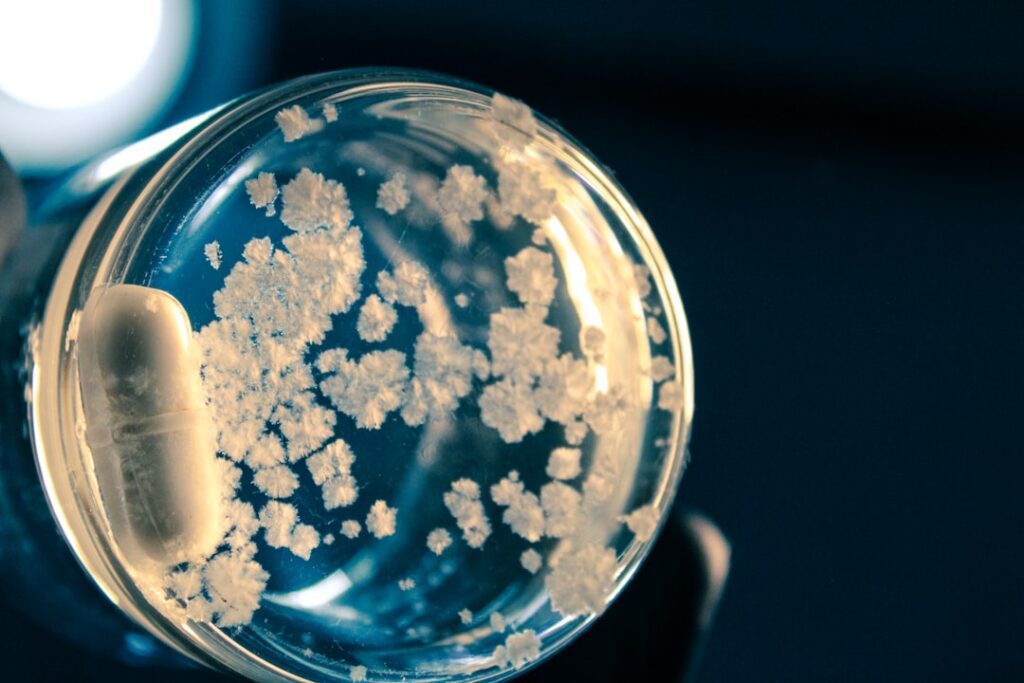
Synthetic biology emerged as a field leveraging engineering principles to design and construct new biological parts, devices, and systems, or to redesign existing natural biological systems. It differs from traditional genetic engineering by its emphasis on modularity, standardization, and predictability. The goal is to build biological systems with a high degree of control, enabling the production of novel materials, therapeutics, and energy sources.
Core Principles
At its heart, synthetic biology operates on a few fundamental principles. First, standardization seeks to create interchangeable biological parts (BioBricks) that can be assembled and reassembled, much like electronic components. This allows for a more efficient and predictable design process. Second, modularity emphasizes the creation of independent functional units, each with a specific task, that can be combined to achieve larger objectives. Think of individual genetic circuits as modules that can be integrated into a larger system. Third, abstraction allows designers to focus on higher-level functionalities without needing to understand every molecular detail. This hierarchical design approach simplifies complexity.
Key Tools and Techniques
The toolkit of synthetic biology is diverse and continually evolving. DNA synthesis technologies allow for the rapid and cost-effective creation of custom DNA sequences, which are the blueprints for these designed biological systems. CRISPR-Cas9 gene editing enables precise modifications to existing genomes, offering a powerful way to re-engineer living organisms. Computational modeling plays a crucial role in predicting the behavior of designed biological circuits and optimizing their performance before physical construction. Furthermore, high-throughput screening and automation accelerate the testing and characterization of these engineered systems, moving synthetic biology from a craft to an industrial discipline.
In exploring the transformative potential of synthetic biology in sustainable design, it is insightful to consider related discussions on content marketing strategies that can effectively communicate these innovations. For instance, the article on content marketing strategies can provide valuable insights into how to engage audiences with the advancements in synthetic biology and its implications for sustainable practices. You can read more about this in the article here: Content Marketing Strategy.
Sustainable Design Imperatives
The concept of sustainable design often addresses the environmental, social, and economic impacts of products and systems throughout their lifecycles. It aims to minimize negative effects and maximize positive ones, often through material efficiency, renewable resource utilization, and waste reduction.
Current Challenges in Sustainability
Our current industrial paradigm faces significant challenges regarding sustainability. Resource depletion is a pressing issue, as many industrial processes rely on dwindling fossil fuels and finite raw materials. Pollution, encompassing air, water, and soil contamination, arises from manufacturing processes, product disposal, and energy generation. Waste accumulation, particularly of non-biodegradable materials, strains landfill capacities and contributes to environmental degradation. Furthermore, the reliance on linear economic models (take-make-dispose) perpetuates these problems, hindering the transition to a circular economy.
Principles of Sustainable Design
Sustainable design seeks to address these challenges through various principles. Life cycle assessment (LCA) evaluates the environmental impact of a product from raw material extraction to disposal. Cradle-to-cradle design aims for products whose materials can be infinitely reused or recycled without loss of quality. Biomimicry draws inspiration from nature’s designs and processes to solve human problems sustainably. Energy efficiency, renewable energy integration, and the use of non-toxic materials are also central tenets. The emphasis is on designing systems that are regenerative and minimize their ecological footprint.
Bridging the Gap: Synthetic Biology for Sustainable Materials
Synthetic biology offers novel pathways for the creation of sustainable materials, moving beyond traditional petrochemically derived products towards bio-based and biodegradable alternatives.
Bio-based Polymers and Plastics
Traditional plastics pose significant environmental challenges due to their petroleum origins and persistence. Synthetic biology enables the production of biopolymers through microbial fermentation. Organisms can be engineered to synthesize various monomers or directly produce polymers like polyhydroxyalkanoates (PHAs), which are biodegradable and biocompatible. This offers a path to plastics with reduced carbon footprints and improved end-of-life options. For example, specific bacterial strains can be programmed to produce PHAs from agricultural waste streams, effectively upcycling biomass into valuable materials.
Self-Healing and Responsive Materials
Imagine materials that repair themselves, extending their lifespan and reducing waste. Synthetic biology holds promise for developing self-healing materials by integrating biological components into material matrices. For instance, incorporating dormant microbes that can be activated by damage to produce repair agents, or engineering material-producing enzymes that can mend cracks. Furthermore, responsive materials can be designed to change properties in response to environmental stimuli like temperature, light, or pH. This could lead to smart textiles that adjust insulation or building materials that adapt to weather conditions without human intervention. These materials are a “living skin” for our built environment, constantly adapting and repairing.
Myco-materials and Cellulose Composites
Fungi, particularly mycelium, offer a unique bio-fabrication platform. Synthetic biology can enhance the capabilities of fungi to produce myco-materials with tailored properties. By engineering fungal strains to grow in specific geometries or to produce specialized enzymes, we can create materials akin to plastics, foams, or even leathers, often from agricultural waste products. Similarly, cellulose composites can be engineered. Cellulose, an abundant biopolymer, can be combined with other materials or modified using synthetic biology to create composites with enhanced strength, flexibility, or other desired characteristics, potentially replacing traditional wood or plastic composites. This represents a paradigm shift where living organisms become an active part of the manufacturing process, growing materials on demand.
Energy and Resource Management through Synthetic Biology
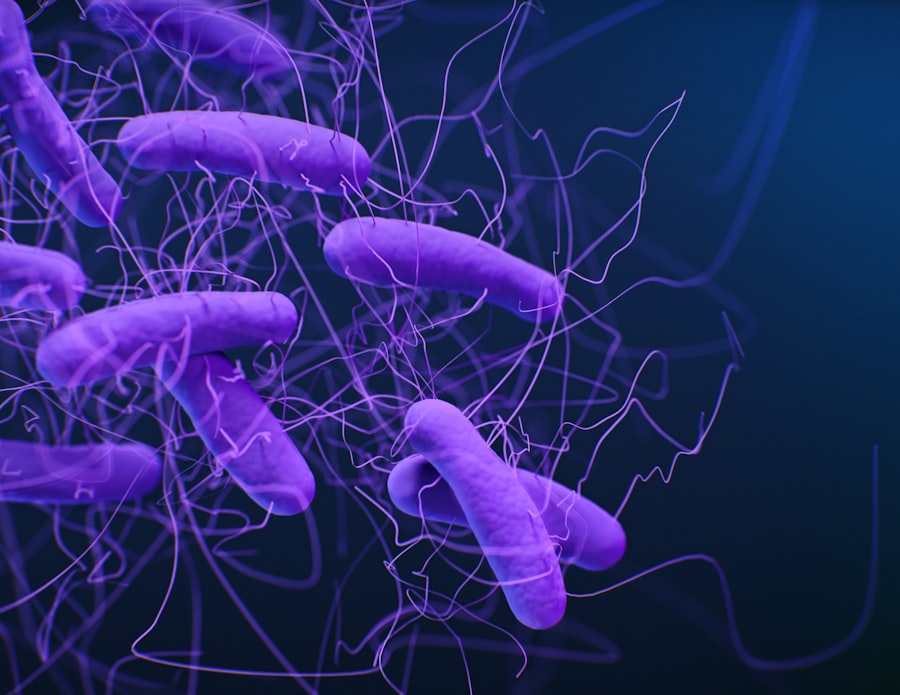
Beyond materials, synthetic biology has the potential to revolutionize how we generate and manage energy and other essential resources.
Biofuel Production Advancements
The transition away from fossil fuels is critical for climate mitigation. Synthetic biology can enhance the efficiency and diversity of biofuel production. Microorganisms can be engineered to more efficiently convert biomass into liquid fuels like ethanol, butanol, or even biodiesel. Research focuses on optimizing metabolic pathways to maximize fuel yield and employing non-food feedstocks, such as lignocellulosic waste, to avoid competition with food production. This aims to create a “biological refinery” where raw plant matter is precisely disassembled and reassembled into high-value fuels.
Carbon Capture and Utilization
Atmospheric carbon dioxide is a primary driver of climate change. Synthetic biology offers innovative solutions for carbon capture and utilization (CCU). Engineered microbes can be designed to efficiently capture CO2 from industrial emissions or directly from the atmosphere and convert it into valuable chemicals, fuels, or bioplastics. This transforms a waste product into a resource, offering a means to close the carbon loop. For instance, photosynthetic microorganisms can be enhanced to fix CO2 at higher rates, serving as miniature, biological carbon sinks that produce usable products.
Bioremediation and Waste Valorization
Pollution from industrial activities and waste disposal necessitates effective remediation strategies. Synthetic biology can develop next-generation bioremediation agents. Engineered microbes can be programmed to degrade specific pollutants, such as heavy metals, pesticides, or plastics, into non-toxic compounds. This offers a targeted and environmentally friendly approach to cleaning up contaminated sites. Furthermore, synthetic biology can facilitate waste valorization, transforming various waste streams (agricultural, industrial, municipal) into valuable products. For example, engineering microbes to extract rare earth elements from electronic waste or to produce bioplastics from food waste. This turns industrial waste into a potential goldmine, rather than an expensive problem.
In exploring the transformative potential of synthetic biology in sustainable design, it is intriguing to consider how digital assets can further enhance these innovations. A related article discusses the creation of digital art assets and their implications for various fields, including design and sustainability. By integrating technology and creativity, we can envision a future where synthetic biology and digital art converge to shape more sustainable practices. For more insights on this topic, you can read the article on digital art assets creation.
Ethical, Social, and Governance Considerations
| Metric | Description | Impact on Sustainable Design | Example |
|---|---|---|---|
| Carbon Footprint Reduction | Decrease in greenhouse gas emissions through synthetic biology applications | Enables production of bio-based materials with lower emissions compared to traditional manufacturing | Biodegradable plastics synthesized from engineered microbes |
| Resource Efficiency | Improved utilization of raw materials and energy | Reduces waste and energy consumption in product design and manufacturing | Microbial production of biofuels from agricultural waste |
| Biodegradability | Ability of materials to decompose naturally without harming the environment | Supports circular economy by minimizing persistent waste | Synthetic spider silk fibers for textiles |
| Innovation Rate | Number of new synthetic biology patents related to sustainable materials per year | Indicates growth and adoption of sustainable design solutions | Over 150 patents filed globally in 2023 |
| Cost Reduction | Decrease in production costs due to synthetic biology methods | Makes sustainable products more accessible and competitive | Lower cost bio-based dyes replacing synthetic chemical dyes |
The transformative potential of synthetic biology necessitates careful consideration of its broader implications. Just as a powerful tool requires responsible handling, so too does this technology.
Biosecurity and Dual-Use Concerns
The ability to design and engineer biological systems raises biosecurity concerns. The potential for misuse, such as the creation of novel pathogens or biological weapons, requires robust safeguards. Research in synthetic biology can have “dual-use potential,” meaning it can be applied for both beneficial and harmful purposes. Responsible conduct of research, strict access controls for sensitive technologies and materials, and international regulatory frameworks are essential to mitigate these risks. The scientific community has a responsibility to proactively address these issues through self-governance and collaboration with policymakers.
Equity, Access, and Distribution
As synthetic biology develops, it is crucial to consider issues of equity, access, and distribution of its benefits. Will these technologies exacerbate existing inequalities, with their benefits primarily accruing to wealthy nations or corporations? Or can they be deployed in ways that address global challenges, such as food security, health disparities, or access to clean water in underserved communities? Ensuring that the benefits of synthetic biology are broadly shared and that developing nations have the capacity to participate in and benefit from these advancements is a critical ethical challenge. This involves equitable IP policies, capacity building, and inclusive governance models.
Public Perception and Engagement
Public acceptance and understanding are vital for the successful and responsible integration of synthetic biology into society. Misinformation or a lack of informed public discourse can hinder progress. Scientists and policymakers must engage in transparent and open communication with the public, addressing concerns, explaining the science, and articulating the potential benefits and risks. Fostering public dialogue and incorporating diverse perspectives into governance structures are essential for building trust and ensuring that technological development aligns with societal values. Without public trust, even the most promising innovations may face uphill battles.
The Horizon: Integrating Design, Biology, and Society
The future impact of synthetic biology on sustainable design will depend on effective integration of scientific advancement, ethical considerations, and societal engagement. This is not merely a scientific endeavor, but a societal one.
Interdisciplinary Collaboration
Solving complex challenges like climate change and resource scarcity requires an interdisciplinary approach. Synthetic biologists must collaborate with designers, engineers, material scientists, ethicists, sociologists, business leaders, and policymakers. This cross-pollination of ideas and expertise is essential for translating laboratory discoveries into real-world sustainable solutions. For instance, designers can articulate the needs for new materials, while synthetic biologists develop the biological systems to produce them. This collaborative ecosystem is the “fertile ground” where innovation thrives.
Regulatory Frameworks and Innovation
Effective regulatory frameworks are necessary to guide the responsible development and deployment of synthetic biology. These frameworks should be nimble enough to adapt to rapidly advancing science while ensuring public safety and environmental protection. Overly restrictive regulations could stifle innovation; conversely, lax regulations could lead to unintended consequences. Striking this balance requires ongoing dialogue between scientists, regulators, and other stakeholders, fostering innovation within a framework of responsibility. This regulatory landscape should be a “compass,” guiding us towards safe and beneficial applications.
Long-Term Vision and Societal Adaptation
Ultimately, the long-term vision for synthetic biology in sustainable design involves a fundamental shift in how we interact with materials, energy, and the environment. It pushes towards a bio-centric economy where biological processes are central to production, remediation, and resource management. This will require societal adaptation, including changes in industrial practices, consumer behavior, and educational systems. Embracing synthetic biology’s potential requires foresight, proactive planning, and a willingness to rethink established norms, moving towards a future where nature’s efficiency is harnessed for human benefit, without undermining ecological integrity.