

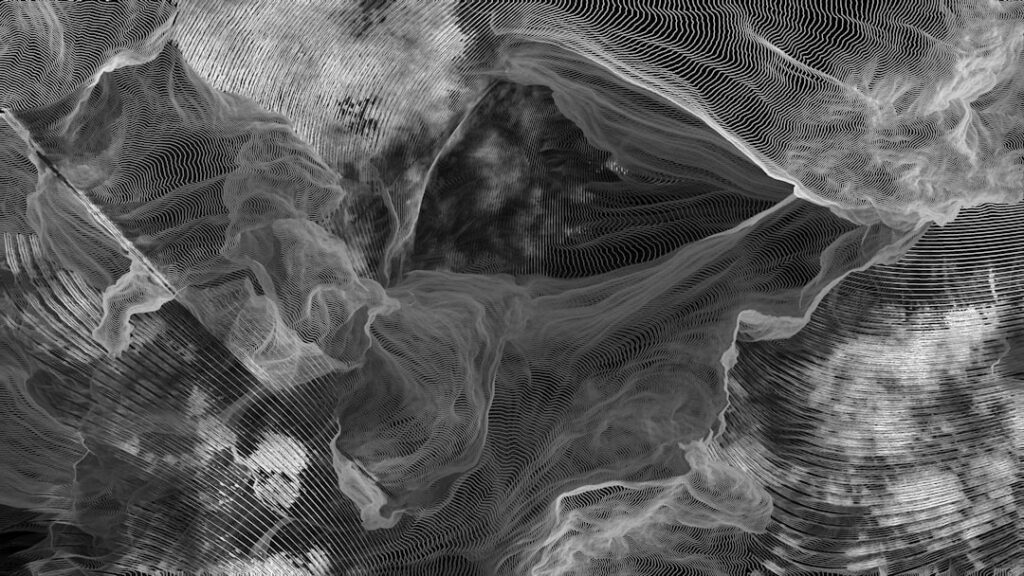
As you step into the Creative Discovery Studio, you are immediately enveloped by an atmosphere brimming with inspiration and innovation. The walls are adorned with vibrant artworks, each piece telling a unique story of creativity and exploration. This space is not just a studio; it is a sanctuary for artists, designers, and creators of all kinds. Here, you can feel the pulse of imagination as it flows through the air, inviting you to engage with your own creative instincts. The studio is designed to be a playground for the mind, where traditional techniques meet cutting-edge technology, allowing you to experiment freely and push the boundaries of your artistic expression.
In this dynamic environment, you have access to a plethora of resources that cater to various artistic disciplines. From painting and sculpture to digital design and generative art, the Creative Discovery Studio encourages you to explore diverse mediums and techniques. You might find yourself drawn to a particular corner filled with tools and materials that spark your curiosity. Whether it’s the tactile sensation of clay in your hands or the sleek interface of a digital tablet, each element in the studio serves as a catalyst for your creative journey. The atmosphere is charged with possibility, urging you to take risks and discover new facets of your artistic identity.
In exploring the fascinating relationship between generative art and traditional craft, one can gain further insights by reading the article on cloud services and their impact on creative processes. This piece delves into how modern technology, including cloud-based tools, is reshaping artistic practices and enabling artists to blend traditional techniques with innovative digital methods. For more information, you can check out the article here: Cloud Services and Their Impact on Creative Processes.
Understanding Generative Art
Generative art represents a fascinating intersection of creativity and technology, where algorithms and code become the brushstrokes of modern artistry. As you delve into this realm, you begin to understand that generative art is not merely about creating images; it is about harnessing systems and processes to produce unique works that often surprise even their creators. By utilizing computer algorithms, artists can generate complex patterns, shapes, and colors that evolve in real-time, offering an experience that is both dynamic and unpredictable. This approach challenges traditional notions of authorship and creativity, inviting you to consider the role of chance in the artistic process.
As you explore generative art further, you may find yourself captivated by its ability to blend mathematical precision with organic aesthetics. The beauty of generative art lies in its capacity to create intricate designs that mimic natural forms, such as the branching patterns of trees or the swirling motions of water. This connection to nature can evoke a sense of wonder and curiosity within you, prompting deeper reflections on the relationship between technology and the natural world. By engaging with generative art, you are not only expanding your understanding of artistic possibilities but also questioning the very essence of what it means to be an artist in an increasingly digital age.
Embracing Traditional Craft
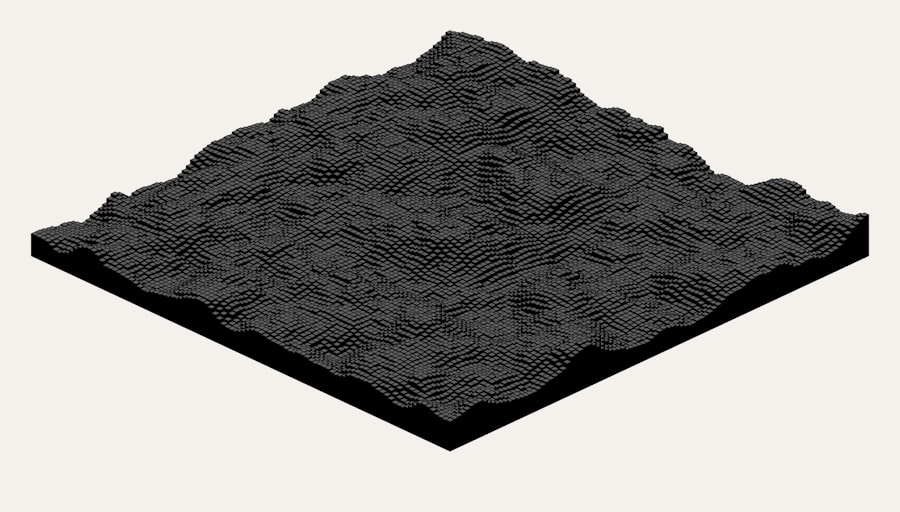
While generative art offers a glimpse into the future of creativity, traditional craft remains a vital component of artistic expression. As you immerse yourself in the world of traditional techniques, you come to appreciate the time-honored skills that have been passed down through generations. Whether it’s pottery, weaving, or woodworking, each craft embodies a rich history and cultural significance that connects you to the past. The tactile nature of these materials allows you to engage with your work on a physical level, fostering a sense of mindfulness and presence as you create.
In embracing traditional craft, you also discover the importance of patience and dedication. Mastering a craft requires practice and perseverance, qualities that can deepen your appreciation for the artistic process. As you hone your skills, you may find joy in the repetitive motions of your hands or the meditative state that arises from focused creation. This connection to tradition not only enriches your own practice but also honors the countless artisans who have come before you. By valuing traditional craft, you are participating in a dialogue that spans time and culture, reminding yourself that creativity is both an individual journey and a collective heritage.
The Fusion of Generative Art and Traditional Craft
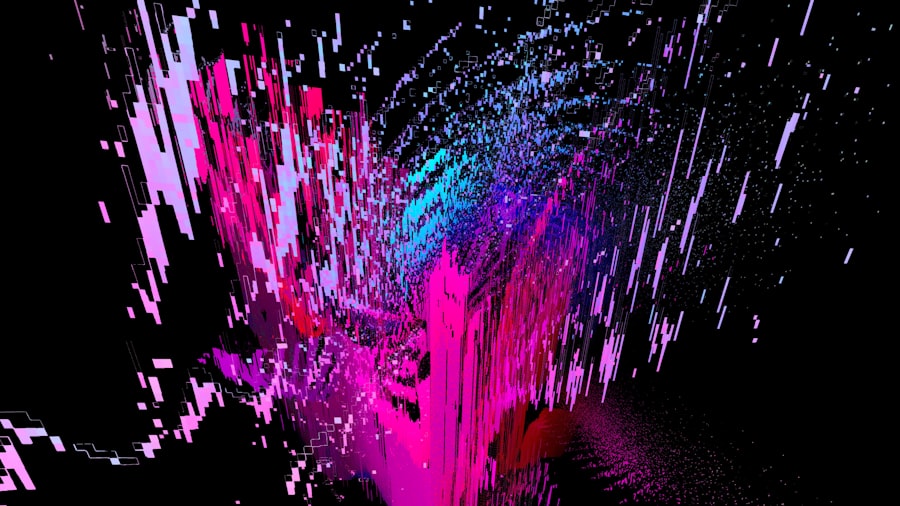
The fusion of generative art and traditional craft presents an exciting frontier for creative exploration. As you navigate this intersection, you begin to see how these seemingly disparate approaches can complement one another in profound ways. Imagine using algorithms to generate patterns that inform your handwoven textiles or employing digital tools to design intricate woodwork that is then brought to life through traditional techniques. This synthesis allows you to create works that are not only visually striking but also rich in meaning and context.
By merging generative art with traditional craft, you open yourself up to a world of possibilities where innovation meets heritage. This approach encourages experimentation and invites you to challenge conventional boundaries within your practice. You may find yourself inspired by the unexpected outcomes that arise when technology meets craftsmanship, leading to new forms of expression that resonate with contemporary audiences while honoring age-old traditions. In this way, the fusion becomes a celebration of both the past and the future, allowing you to carve out your unique artistic identity.
In exploring the fascinating blend of technology and artistry, a thought-provoking article titled “The Role of Emotional Intelligence in Creative Collaboration” delves into how interpersonal skills can enhance the creative process. This piece complements the themes discussed in The Creative Discovery Studio: The Intersection of Generative Art and Traditional Craft, highlighting how emotional awareness can influence both generative art and traditional craftsmanship. For more insights on fostering creativity through emotional intelligence, you can read the article here.
Tools and Techniques in the Creative Discovery Studio
| Metric | Description | Value | Unit |
|---|---|---|---|
| Number of Generative Art Projects | Total projects combining generative algorithms with traditional craft techniques | 45 | Projects |
| Average Creation Time | Average time taken to complete a project from concept to final piece | 30 | Days |
| Artist Collaboration Rate | Percentage of projects involving collaboration between digital artists and traditional craftsmen | 65 | Percent |
| Material Usage | Common traditional materials used in projects (e.g., wood, fabric, clay) | Wood, Fabric, Clay | Types |
| Generative Techniques Employed | Types of generative art methods used (e.g., algorithmic design, AI-generated patterns) | Algorithmic Design, AI Patterns | Types |
| Exhibition Count | Number of exhibitions showcasing the intersection of generative art and traditional craft | 12 | Events |
| Audience Engagement | Average number of visitors or participants per exhibition | 350 | People |
| Workshops Conducted | Number of educational workshops held to teach generative art and traditional craft integration | 8 | Sessions |
Within the Creative Discovery Studio, an array of tools and techniques awaits your exploration. From high-tech software for generative design to traditional hand tools for crafting, each resource is designed to enhance your creative process. As you familiarize yourself with these tools, you may discover new ways to express your ideas and bring them to life. For instance, digital drawing tablets can offer precision and flexibility that complements your traditional sketching methods, allowing for seamless transitions between mediums.
Moreover, workshops and collaborative sessions within the studio provide opportunities for skill-sharing and learning from fellow creators. You might find yourself participating in a session focused on 3D printing techniques or exploring the intricacies of laser cutting. These experiences not only expand your technical knowledge but also foster a sense of community among artists who share similar passions. By engaging with diverse tools and techniques, you empower yourself to push creative boundaries and explore uncharted territories in your artistic journey.
The Role of Technology in Creative Discovery
Technology plays a pivotal role in shaping the landscape of creative discovery today. As you embrace various technological advancements, you begin to recognize their potential as powerful allies in your artistic endeavors. From software that enables complex simulations to platforms that facilitate collaboration across distances, technology enhances your ability to create and connect with others. It allows for experimentation at an unprecedented scale, enabling you to explore ideas that may have once seemed unattainable.
However, as you navigate this technological landscape, it’s essential to maintain a balance between digital tools and traditional practices. While technology can streamline processes and open new avenues for creativity, it’s crucial not to lose sight of the tactile experiences that come from working with physical materials. By integrating technology thoughtfully into your practice, you can harness its benefits while still honoring the essence of craftsmanship that defines much of artistic expression.
The Intersection of Creativity and Innovation
At its core, creativity thrives on innovation—the ability to think outside the box and challenge established norms. As you engage with both generative art and traditional craft within the Creative Discovery Studio, you find yourself at this exciting intersection where new ideas emerge from experimentation and exploration. This space encourages you to take risks and embrace failure as part of the creative process, fostering an environment where innovation can flourish.
You may discover that collaboration plays a significant role in sparking innovation within this context. By working alongside other artists who bring diverse perspectives and skills to the table, you can generate fresh ideas that push boundaries further than you could achieve alone. This collaborative spirit not only enriches your own practice but also contributes to a vibrant community where creativity thrives collectively.
The Impact of Generative Art on Traditional Craft
The rise of generative art has undoubtedly left its mark on traditional craft practices. As you observe this impact, it becomes clear that generative techniques can enhance craftsmanship by introducing new possibilities for design and execution. For instance, artists can use algorithms to create intricate patterns that inform their hand-crafted pieces, resulting in works that blend precision with human touch. This synergy allows for a reimagining of traditional crafts while still honoring their foundational principles.
Moreover, generative art challenges artisans to rethink their approaches and adapt to contemporary audiences’ expectations. As technology continues to evolve, so too must traditional crafts evolve alongside it. By embracing generative techniques within their practices, artisans can attract new audiences who appreciate both innovation and craftsmanship. This evolution not only revitalizes traditional crafts but also ensures their relevance in an ever-changing artistic landscape.
Bridging the Gap Between Art and Craft
The distinction between art and craft has long been debated within creative circles; however, as you explore both realms within the Creative Discovery Studio, it becomes evident that they are not mutually exclusive but rather interconnected facets of human expression. Bridging this gap allows for a more holistic understanding of creativity—one that values both conceptual exploration found in fine art and the skillful execution inherent in craft.
By recognizing this interconnectedness, you empower yourself as an artist who can fluidly navigate between different modes of expression. You might find inspiration in the meticulous details of a handcrafted piece while simultaneously drawing from the conceptual depth found in generative art installations. This fluidity enriches your practice by encouraging experimentation across disciplines—ultimately leading to innovative outcomes that reflect your unique voice as an artist.
The Evolution of Creativity in the Creative Discovery Studio
Creativity is not static; it evolves over time as artists respond to changing contexts and influences within their environments. Within the Creative Discovery Studio, this evolution is palpable as artists experiment with new ideas while reflecting on their journeys thus far. You may notice how past experiences shape current practices—informing choices about materials used or techniques employed—creating a rich tapestry woven from personal history.
As you engage with fellow creators in this space, conversations about artistic evolution become catalysts for growth—encouraging reflection on what has been learned while inspiring new directions for exploration ahead. This ongoing dialogue fosters an environment where creativity flourishes organically—allowing each artist’s unique journey to contribute meaningfully to collective growth within the studio community.
Embracing the Future of Art and Craft
As you look toward the future of art and craft within the Creative Discovery Studio, excitement fills the air—a sense that endless possibilities await those willing to embrace change while honoring tradition. The fusion between generative techniques and traditional craftsmanship offers a glimpse into what lies ahead—a future where innovation coexists harmoniously alongside heritage.
In this evolving landscape, it’s essential for artists like yourself to remain open-minded—ready to adapt practices while staying true to personal values rooted in authenticity and expression. By embracing emerging technologies alongside time-honored skills, you position yourself at the forefront of creative discovery—ready not only to shape your own artistic journey but also contribute meaningfully toward redefining what it means to be an artist in today’s world.
In conclusion, as you navigate through these realms within the Creative Discovery Studio—from exploring generative art’s potential impact on traditional craft practices—to understanding how technology shapes creative discovery—you find yourself partaking in an ongoing dialogue about artistry itself—one that celebrates both innovation while honoring heritage—ultimately paving pathways toward new horizons for future generations of creators yet unseen!