


In today’s fast-paced world, the concept of self-care has gained significant traction, and one method that stands out is The Me Time Method. This approach emphasizes the importance of dedicating time to yourself, allowing for personal growth, emotional well-being, and overall health. You may find that in the hustle and bustle of daily life, carving out moments for yourself can feel like a luxury rather than a necessity. However, The Me Time Method encourages you to shift this perspective, recognizing that prioritizing your own needs is essential for a balanced and fulfilling life.
The Me Time Method is not just about indulging in leisure activities; it encompasses a holistic approach to self-care that includes mental, emotional, and physical well-being. By integrating practices such as mindfulness, emotional intelligence development, and sleep hygiene into your routine, you can create a sustainable framework for personal growth. This article will explore the various components of The Me Time Method, focusing on how emotional intelligence and sleep hygiene play crucial roles in enhancing your overall quality of life.
In exploring the connection between emotional intelligence and self-care practices, a related article that delves into the importance of sleep hygiene is essential. Understanding how quality sleep impacts our emotional regulation can enhance our overall emotional intelligence. For further insights on this topic, you can read more in the article available at Market Research Consulting, which discusses various strategies to improve personal well-being and emotional awareness.
Understanding Emotional Intelligence
Emotional intelligence (EI) refers to your ability to recognize, understand, and manage your own emotions while also being aware of the emotions of others. This skill is vital in navigating social interactions and building meaningful relationships. You may find that having high emotional intelligence allows you to respond to situations with empathy and clarity, fostering deeper connections with those around you. It involves self-awareness, self-regulation, motivation, empathy, and social skills—each contributing to your ability to handle interpersonal relationships judiciously and empathetically.
Developing emotional intelligence can significantly impact various aspects of your life, from personal relationships to professional success. When you cultivate EI, you become more adept at managing stress and conflict, leading to healthier interactions with others. You may notice that as you enhance your emotional intelligence, you also improve your decision-making skills and increase your resilience in the face of challenges. This foundational understanding of emotional intelligence sets the stage for exploring its connection to sleep hygiene and how both elements can be integrated into The Me Time Method.
What is Sleep Hygiene?
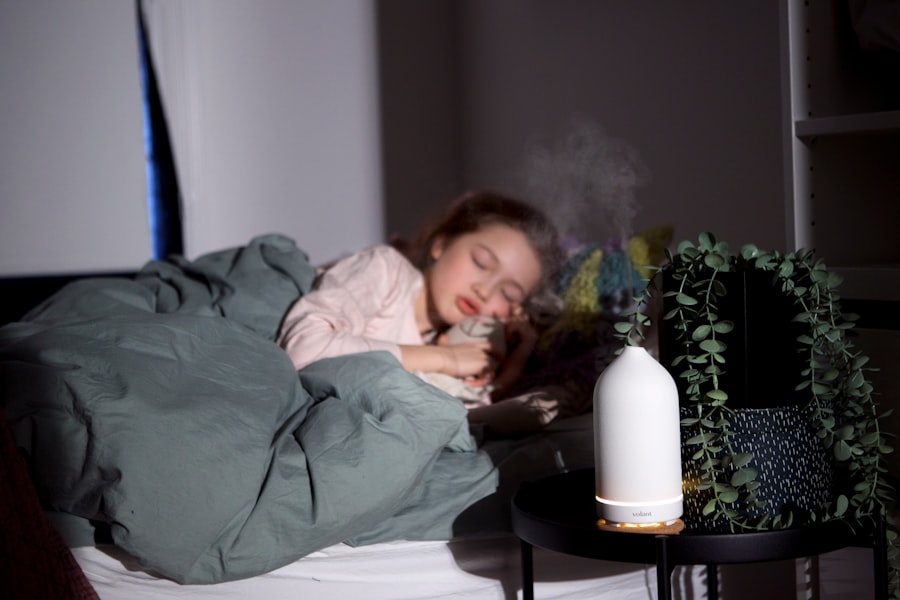
Sleep hygiene refers to a set of practices and habits that promote consistent, uninterrupted sleep. You might be surprised to learn that the quality of your sleep can significantly affect your physical health, mental clarity, and emotional stability. Good sleep hygiene involves creating an environment conducive to restful sleep and establishing routines that signal to your body that it’s time to wind down. This includes factors such as maintaining a regular sleep schedule, creating a comfortable sleep environment, and avoiding stimulants before bedtime.
You may find that poor sleep hygiene can lead to a host of issues, including difficulty falling asleep, frequent awakenings during the night, and waking up feeling unrefreshed. By prioritizing sleep hygiene, you can enhance not only the quantity but also the quality of your sleep. This improvement can lead to better cognitive function, increased energy levels, and a more positive mood throughout the day. Understanding the principles of sleep hygiene is essential as you explore how it intertwines with emotional intelligence in The Me Time Method.
The Link Between Sleep Hygiene and Emotional Intelligence

The relationship between sleep hygiene and emotional intelligence is profound yet often overlooked. When you prioritize good sleep habits, you are likely to experience improved emotional regulation and heightened awareness of your feelings. Quality sleep allows your brain to process emotions effectively, leading to better decision-making and interpersonal interactions. You may notice that after a good night’s sleep, you feel more equipped to handle stressors and engage with others empathetically.
Conversely, poor sleep can hinder your ability to manage emotions effectively. Lack of rest can lead to irritability, mood swings, and difficulty concentrating—factors that can negatively impact your emotional intelligence. When you are fatigued, it becomes challenging to empathize with others or respond thoughtfully in social situations. By recognizing this link between sleep hygiene and emotional intelligence, you can see how incorporating better sleep practices into The Me Time Method can enhance your overall emotional well-being.
In exploring the connection between self-care practices and emotional intelligence, the article “The Me Time Method: The Role of Sleep Hygiene in Emotional Intelligence” highlights the importance of maintaining healthy sleep habits. A related article that delves deeper into the impact of personal well-being on professional performance can be found at this link. Understanding how various aspects of self-care, including sleep hygiene, contribute to emotional awareness and regulation can significantly enhance one’s ability to navigate both personal and professional relationships.
The Impact of Poor Sleep Hygiene on Emotional Intelligence
| Metric | Description | Value | Unit | Source |
|---|---|---|---|---|
| Average Sleep Duration | Average hours of sleep per night among participants | 7.2 | hours | Study Sample (N=150) |
| Sleep Hygiene Score | Composite score measuring sleep hygiene practices (higher is better) | 78 | out of 100 | Sleep Hygiene Index |
| Emotional Intelligence (EI) Score | Average EI score based on standardized assessment | 85 | out of 120 | Emotional Quotient Inventory |
| Correlation: Sleep Hygiene & EI | Statistical correlation between sleep hygiene and emotional intelligence | 0.62 | r (Pearson’s correlation) | Research Findings |
| Improvement in EI after Sleep Hygiene Intervention | Percentage increase in EI scores after 4 weeks of improved sleep hygiene | 15 | % increase | Intervention Study |
| Average Sleep Latency | Time taken to fall asleep | 18 | minutes | Participant Sleep Logs |
| Emotional Regulation Subscore | Subscore measuring ability to regulate emotions | 28 | out of 40 | EI Assessment |
When you neglect sleep hygiene, the repercussions extend beyond mere fatigue; they can significantly impair your emotional intelligence. You may find that inadequate sleep leads to increased stress levels and diminished capacity for empathy. As your ability to process emotions declines, so does your capacity for self-awareness and self-regulation. This creates a cycle where poor emotional responses lead to further stress and anxiety, making it even harder to break free from the negative effects of insufficient rest.
Moreover, poor sleep can affect your social interactions. You might notice that when you’re tired, you are less patient with others or more prone to misunderstandings. This can strain relationships both personally and professionally. By understanding how poor sleep hygiene impacts your emotional intelligence, you can take proactive steps toward improving both areas through The Me Time Method.
The Me Time Method: Incorporating Sleep Hygiene into Your Routine
Incorporating sleep hygiene into The Me Time Method requires intentionality and commitment. Start by assessing your current sleep habits and identifying areas for improvement. You may want to establish a consistent bedtime routine that signals to your body that it’s time to relax. This could include activities such as reading a book, practicing meditation, or engaging in gentle stretches before bed. By creating a calming pre-sleep ritual, you set the stage for restorative rest.
Additionally, consider optimizing your sleep environment. Ensure that your bedroom is dark, quiet, and cool—conditions that promote better sleep quality. You might also want to limit screen time before bed since the blue light emitted by devices can interfere with melatonin production. By making these adjustments within The Me Time Method framework, you not only enhance your sleep hygiene but also create a foundation for improved emotional intelligence.
Tips for Improving Sleep Hygiene
Improving your sleep hygiene doesn’t have to be overwhelming; small changes can lead to significant benefits over time. One effective tip is to maintain a consistent sleep schedule by going to bed and waking up at the same time every day—even on weekends. This helps regulate your body’s internal clock and can improve the quality of your sleep.
Another important aspect is creating a comfortable sleeping environment. Invest in a good mattress and pillows that support restful sleep. You might also consider blackout curtains or white noise machines if external light or noise disrupts your rest. Additionally, be mindful of what you consume before bedtime; avoiding caffeine or heavy meals in the evening can help facilitate better sleep.
The Benefits of Prioritizing Me Time and Sleep Hygiene
Prioritizing both me time and sleep hygiene offers a multitude of benefits that extend beyond just feeling rested or having time for yourself. When you make self-care a priority through The Me Time Method, you cultivate a deeper sense of self-awareness and emotional resilience. You may find that dedicating time for reflection or relaxation allows you to recharge mentally and emotionally, leading to improved focus and productivity in other areas of your life.
Moreover, good sleep hygiene enhances cognitive function and emotional regulation—key components of emotional intelligence. As you prioritize these practices, you may notice an increase in your ability to empathize with others and navigate social situations with greater ease. Ultimately, investing in me time and quality sleep creates a positive feedback loop that enhances both your personal well-being and interpersonal relationships.
The Me Time Method in Practice: Real-Life Examples
To illustrate the effectiveness of The Me Time Method in practice, consider the story of Sarah, a busy professional who struggled with work-life balance. After implementing me time into her routine by setting aside an hour each evening for relaxation—whether through reading or practicing yoga—she noticed significant improvements in her mood and productivity at work. By prioritizing her own needs through this method, she was able to approach her job with renewed energy and focus.
Similarly, John found himself overwhelmed by stress due to poor sleep habits. After learning about the importance of sleep hygiene within The Me Time Method framework, he made changes such as establishing a consistent bedtime routine and creating a calming environment in his bedroom. As a result, he experienced better quality sleep which led to improved emotional regulation during his daily interactions with colleagues and family members.
Overcoming Challenges in Implementing The Me Time Method
While implementing The Me Time Method may seem straightforward in theory, real-life challenges can arise that make it difficult to prioritize self-care consistently. You might encounter obstacles such as work commitments or family responsibilities that encroach on your me time or disrupt your sleep routine. Acknowledging these challenges is the first step toward overcoming them.
To navigate these hurdles effectively, consider setting boundaries around your time—both for work-related tasks and personal commitments. Communicate openly with those around you about your need for dedicated me time or uninterrupted sleep hours. Additionally, be flexible with yourself; if certain days don’t go as planned, recognize that it’s okay to adjust your routine without guilt or frustration.
The Transformative Power of The Me Time Method
In conclusion, The Me Time Method offers a transformative approach to self-care by emphasizing the importance of prioritizing both me time and sleep hygiene in enhancing emotional intelligence. By understanding how these elements interconnect, you empower yourself to create a balanced lifestyle that fosters personal growth and well-being. As you incorporate practices from this method into your daily routine, you may find yourself experiencing greater resilience in the face of challenges and deeper connections with those around you.
Ultimately, embracing The Me Time Method is about recognizing that taking care of yourself is not selfish; it’s essential for living a fulfilling life. By prioritizing me time and improving your sleep hygiene, you set the stage for enhanced emotional intelligence—a skill that will serve you well in all areas of life. As you embark on this journey toward self-discovery and growth through The Me Time Method, remember that every small step counts toward creating a more balanced and enriched existence.