

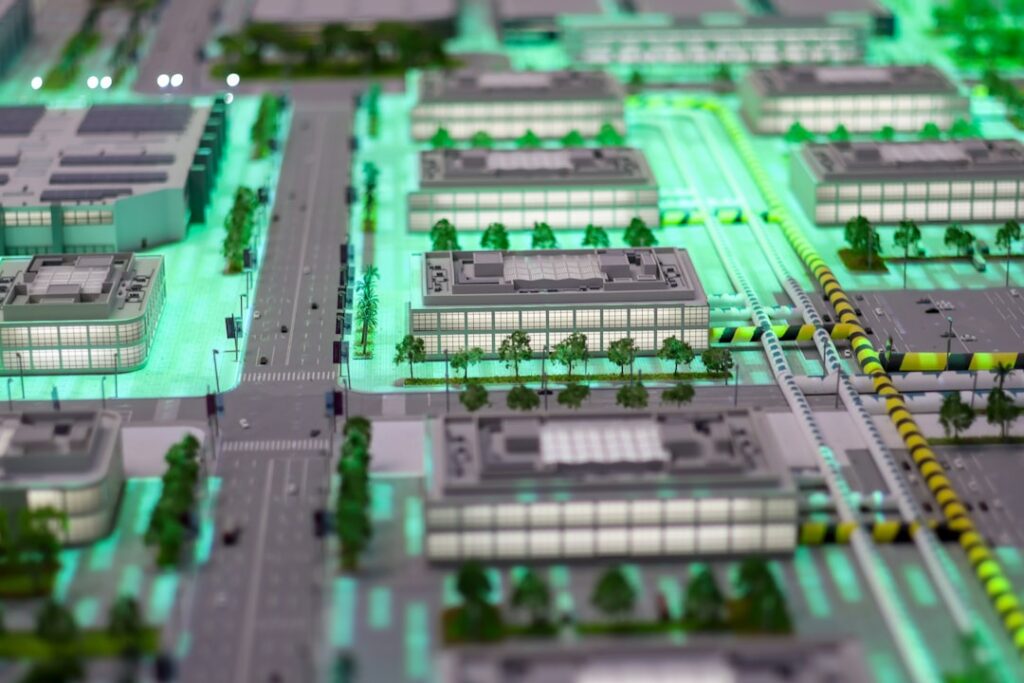
The concept of 15-minute cities has emerged as a transformative vision for urban living, aiming to create environments where residents can access essential services and amenities within a short walk or bike ride from their homes. This innovative urban planning model emphasizes the importance of proximity, advocating for a lifestyle that minimizes reliance on cars and promotes sustainable living. By reimagining urban spaces, the 15-minute city seeks to enhance the quality of life for residents, fostering a sense of community and encouraging healthier lifestyles.
At its core, the 15-minute city is about rethinking how urban areas are designed and function. It challenges the traditional notion of sprawling cities, where long commutes and traffic congestion are commonplace. Instead, it envisions compact neighborhoods that prioritize accessibility and convenience. This model not only addresses environmental concerns by reducing carbon footprints but also aims to create vibrant, inclusive communities where social interactions flourish. As cities around the world grapple with the challenges of urbanization, the 15-minute city offers a compelling framework for sustainable development.
In exploring the concept of sustainable urbanism and the emergence of 15-minute cities, a related article that delves deeper into the implications of urban planning is available at this link: Understanding the Future of Urban Living. This article discusses innovative strategies for creating livable cities that prioritize accessibility, community engagement, and environmental sustainability, aligning closely with the themes presented in “Signals Shaping Tomorrow: Sustainable Urbanism and the Rise of 15-Minute Cities.”
The Role of Technology in Shaping Sustainable Urbanism
Technology plays a pivotal role in the realization of sustainable urbanism, particularly in the context of 15-minute cities. Smart technologies can enhance urban infrastructure, making it more efficient and responsive to the needs of residents. For instance, data analytics can be employed to optimize public transportation routes, ensuring that they align with the daily patterns of commuters. Additionally, mobile applications can provide real-time information about local services, helping residents navigate their neighborhoods more effectively.
Moreover, technology facilitates the integration of renewable energy sources into urban environments. Solar panels, wind turbines, and energy-efficient systems can be seamlessly incorporated into buildings and public spaces, reducing reliance on fossil fuels. The use of smart grids allows for better energy management, enabling cities to balance supply and demand while minimizing waste. As cities adopt these technological advancements, they not only enhance sustainability but also improve the overall quality of life for their inhabitants.
Redefining Urban Mobility: The Importance of Walkability and Cycling

Walkability and cycling are central tenets of the 15-minute city model, fundamentally reshaping how urban mobility is perceived and practiced. In a world increasingly dominated by automobiles, prioritizing pedestrian-friendly infrastructure is essential for fostering healthier lifestyles and reducing environmental impact. Walkable neighborhoods encourage physical activity, promote social interactions, and create safer environments for all residents. By designing streets that are accessible and inviting for pedestrians, cities can cultivate a sense of community and belonging.
Cycling also plays a crucial role in redefining urban mobility. As cities invest in dedicated bike lanes and secure parking facilities, they create an environment that encourages cycling as a viable mode of transportation. This shift not only alleviates traffic congestion but also contributes to improved air quality and reduced greenhouse gas emissions. Furthermore, cycling promotes economic activity by supporting local businesses and enhancing access to various amenities. By prioritizing walkability and cycling, cities can create vibrant urban landscapes that cater to the diverse needs of their residents.
Green Spaces and Urban Planning: Creating Sustainable and Livable Cities

The integration of green spaces into urban planning is vital for creating sustainable and livable cities within the framework of 15-minute city initiatives. Parks, gardens, and green roofs not only enhance the aesthetic appeal of neighborhoods but also provide essential ecological benefits. They serve as vital habitats for wildlife, improve air quality, and mitigate urban heat effects. Furthermore, green spaces offer residents opportunities for recreation, relaxation, and social interaction, contributing to overall well-being.
Urban planners are increasingly recognizing the importance of incorporating nature into city designs. By prioritizing green infrastructure, cities can create multifunctional spaces that serve both ecological and social purposes. For instance, community gardens can foster local food production while also acting as gathering places for residents. The presence of greenery has been shown to reduce stress levels and promote mental health, making it an essential component of urban living. As cities strive to become more sustainable, the integration of green spaces will be crucial in enhancing the quality of life for their inhabitants.
In exploring the concept of sustainable urbanism, the article “Signals Shaping Tomorrow: Sustainable Urbanism and the Rise of 15-Minute Cities” highlights the importance of designing cities that prioritize accessibility and community well-being. A related article that delves deeper into the implications of urban planning on public health can be found at this link, which discusses how urban environments can influence lifestyle choices and overall health outcomes. Together, these pieces underscore the critical need for thoughtful urban design in fostering healthier, more connected communities.
The Economic and Social Benefits of 15-Minute Cities
“`html
| Metrics | Data |
|---|---|
| Population Density | 5000 people per square kilometer |
| Green Spaces | 25% of total urban area |
| Public Transportation Usage | 60% of residents use public transportation |
| Walking and Biking Paths | 100 kilometers of dedicated paths |
“`
The economic and social benefits of 15-minute cities are manifold, offering a compelling case for their widespread adoption. Economically, these urban environments can stimulate local businesses by increasing foot traffic and encouraging residents to shop locally. When essential services are within walking distance, residents are more likely to support neighborhood shops and restaurants rather than relying on distant commercial centers. This localized economic activity fosters community resilience and creates jobs within the neighborhood.
Socially, 15-minute cities promote inclusivity and cohesion among residents. By designing neighborhoods that cater to diverse populations—regardless of age, income level, or ability—cities can foster a sense of belonging among their inhabitants. Access to public spaces encourages social interactions and community engagement, which are vital for building strong social networks. Furthermore, by reducing reliance on cars, these cities can alleviate transportation inequities that disproportionately affect marginalized communities. In essence, the 15-minute city model not only enhances economic vitality but also nurtures social well-being.
In exploring the concept of sustainable urbanism, a related article that delves into the practical implications of urban design is available at this link. This piece complements the discussion on the rise of 15-minute cities by examining how urban planning can enhance community connectivity and reduce reliance on cars, ultimately fostering a more sustainable future. By focusing on walkable neighborhoods, the article highlights innovative strategies that cities can adopt to create vibrant, accessible environments for all residents.
Addressing Equity and Inclusivity in Urban Development
Equity and inclusivity are critical considerations in the development of 15-minute cities. As urban planners strive to create environments that serve all residents, it is essential to address historical disparities that have shaped urban landscapes. This involves ensuring that marginalized communities have access to essential services and amenities within their neighborhoods. By prioritizing equity in urban development, cities can work towards dismantling systemic barriers that have perpetuated inequality.
Inclusive design practices are fundamental to achieving this goal. Engaging with diverse community stakeholders during the planning process allows for a more comprehensive understanding of residents’ needs and aspirations. This participatory approach ensures that all voices are heard and considered in decision-making processes. Additionally, policies that promote affordable housing options within 15-minute city frameworks can help prevent displacement and ensure that low-income families can benefit from improved access to services. Ultimately, addressing equity and inclusivity is not just a moral imperative; it is essential for creating thriving urban environments that reflect the diversity of their inhabitants.
The Role of Local Governance in Implementing 15-Minute City Strategies
Local governance plays a crucial role in implementing 15-minute city strategies effectively. City officials and planners must collaborate to develop policies that prioritize accessibility, sustainability, and community engagement. This requires a shift in mindset from traditional top-down approaches to more participatory governance models that empower residents to take an active role in shaping their neighborhoods. By fostering collaboration between government agencies, community organizations, and residents, local governance can facilitate the successful implementation of 15-minute city initiatives.
Moreover, local governments must allocate resources strategically to support infrastructure improvements that align with the 15-minute city vision. This includes investing in public transportation systems, pedestrian pathways, cycling infrastructure, and green spaces. By prioritizing these investments, local authorities can create an environment conducive to sustainable urban living. Additionally, ongoing evaluation and adaptation of policies are essential to ensure that they remain responsive to changing community needs and aspirations.
Case Studies of Successful 15-Minute City Initiatives
Several cities around the world have successfully implemented elements of the 15-minute city model, serving as inspiring case studies for others to follow. Paris is perhaps one of the most notable examples; under Mayor Anne Hidalgo’s leadership, the city has embraced a vision of reducing car dependency while enhancing walkability and cycling infrastructure. Initiatives such as expanding bike lanes and pedestrianizing certain streets have transformed Paris into a more livable city where residents can access essential services within minutes.
Another exemplary case is Melbourne’s “20-Minute Neighborhoods” initiative, which aims to ensure that all residents have access to key amenities within a short distance from their homes. This program emphasizes community engagement in planning processes and has led to significant improvements in local infrastructure. By focusing on creating vibrant neighborhoods where people can live, work, and play without relying on cars, Melbourne is setting a precedent for sustainable urban development.
Overcoming Challenges in Transitioning to 15-Minute Cities
Transitioning to 15-minute cities is not without its challenges; however, these obstacles can be addressed through strategic planning and community engagement. One significant challenge is resistance from stakeholders who may be accustomed to car-centric urban designs or who fear potential disruptions during the transition process. To overcome this resistance, it is essential to communicate the long-term benefits of 15-minute cities clearly—such as improved air quality, enhanced public health outcomes, and increased economic vitality.
Additionally, funding constraints may pose challenges in implementing necessary infrastructure changes. Local governments must explore innovative financing mechanisms—such as public-private partnerships or grants—to support these initiatives effectively. Engaging with community members throughout the planning process can also help identify creative solutions that align with residents’ needs while addressing budgetary limitations.
The Future of Urban Development: Scaling Up 15-Minute City Models
The future of urban development lies in scaling up 15-minute city models across diverse contexts worldwide. As cities continue to grapple with rapid population growth and environmental challenges, adopting this framework offers a pathway toward more sustainable living conditions. However, scaling up requires collaboration among various stakeholders—including government agencies, private sector actors, civil society organizations—and a commitment to shared goals.
Furthermore, knowledge sharing among cities can facilitate best practices in implementing 15-minute city strategies effectively. By learning from successful case studies and adapting them to local contexts, cities can accelerate their transition toward more sustainable urban environments. The global movement toward 15-minute cities represents not just an innovative approach to urban planning but also an opportunity for collective action toward building resilient communities.
How Individuals Can Contribute to the 15-Minute City Movement
Individuals play a vital role in contributing to the success of the 15-minute city movement by actively engaging with their communities and advocating for change at the local level. Simple actions—such as supporting local businesses or participating in community events—can help foster a sense of belonging within neighborhoods while promoting economic vitality. Residents can also advocate for improved infrastructure by voicing their needs during public consultations or engaging with local governance processes.
Moreover, individuals can embrace sustainable transportation options by walking or cycling whenever possible instead of relying on cars for short trips. By modeling these behaviors within their communities, they inspire others to do the same while contributing to reduced traffic congestion and improved air quality. Ultimately, individual actions collectively contribute to creating vibrant neighborhoods where everyone can thrive within the framework of the 15-minute city model.
In conclusion, the concept of 15-minute cities represents a paradigm shift in urban planning that prioritizes accessibility, sustainability, equity, and community engagement. As cities around the world explore this innovative model for development, they have an opportunity not only to enhance the quality of life for their residents but also to address pressing environmental challenges facing our planet today.