


NextGen Intelligence Lab stands at the forefront of artificial intelligence innovation, dedicated to empowering small business owners with the tools and knowledge necessary to navigate the complexities of AI technology. Established with the mission to democratize access to advanced AI solutions, the lab provides resources, training, and support tailored specifically for small enterprises. By focusing on ethical AI practices, NextGen Intelligence Lab aims to foster a responsible approach to technology that not only enhances business operations but also prioritizes societal well-being.
The lab recognizes that small businesses often face unique challenges when it comes to adopting new technologies. With limited resources and expertise, these enterprises may struggle to implement AI solutions effectively. NextGen Intelligence Lab seeks to bridge this gap by offering comprehensive guidance on ethical AI frameworks, ensuring that small business owners can harness the power of AI while adhering to principles that promote fairness, transparency, and accountability.
In exploring the implications of ethical AI frameworks for small business owners, it is essential to consider the insights provided in the article on warranty requests, which discusses the importance of transparency and accountability in business practices. This article highlights how implementing ethical AI can enhance customer trust and improve operational efficiency. For further reading, you can check out the related article here: Warranty Requests and Ethical Practices.
The Importance of Ethical AI Frameworks for Small Business Owners
For small business owners, the integration of artificial intelligence into their operations presents both opportunities and challenges. Ethical AI frameworks are essential in guiding these entrepreneurs through the complexities of AI implementation. By establishing clear guidelines and principles, these frameworks help ensure that AI technologies are used responsibly and do not inadvertently harm customers or employees. This is particularly crucial in an era where public trust in technology is increasingly scrutinized.
Moreover, ethical AI frameworks empower small business owners to make informed decisions about their technology investments. By understanding the ethical implications of AI, entrepreneurs can align their business practices with societal values, thereby enhancing their brand reputation and customer loyalty. In a competitive marketplace, businesses that prioritize ethical considerations are more likely to attract conscientious consumers who value integrity and responsibility.
Understanding the Risks of Unethical AI Implementation
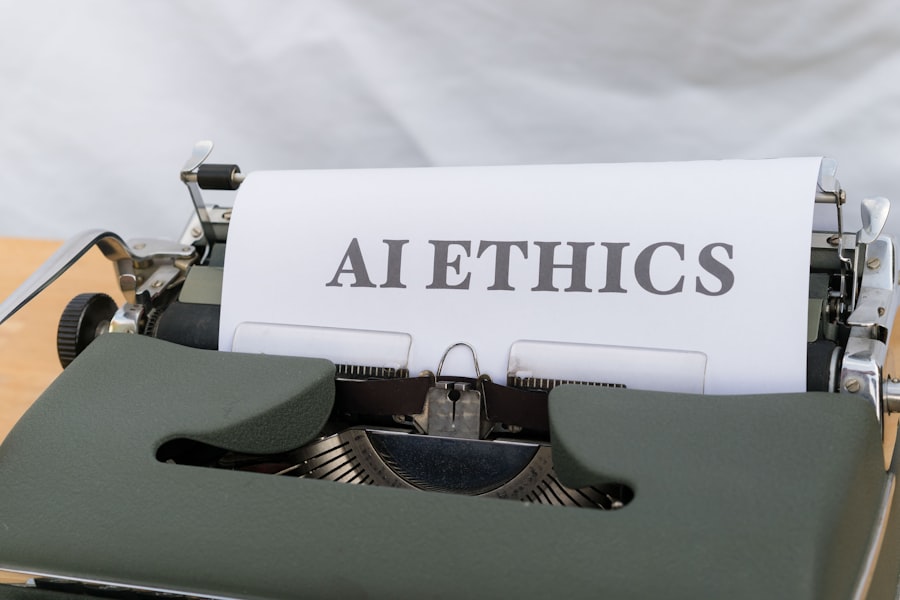
The risks associated with unethical AI implementation can be significant and far-reaching. Small business owners who neglect ethical considerations may inadvertently expose themselves to legal liabilities, reputational damage, and loss of customer trust. For instance, biased algorithms can lead to discriminatory practices in hiring or customer service, alienating potential clients and harming employee morale. Such outcomes not only affect the immediate business environment but can also have long-term repercussions on a company’s viability.
Additionally, the rapid pace of technological advancement means that small businesses must remain vigilant about the ethical implications of their AI systems. Failing to do so can result in unintended consequences that may jeopardize their operations. For example, an AI-driven marketing campaign that relies on invasive data collection practices could lead to backlash from consumers concerned about privacy violations. By understanding these risks, small business owners can take proactive steps to mitigate potential harm and ensure that their AI initiatives align with ethical standards.
The Benefits of Implementing Ethical AI Frameworks

Implementing ethical AI frameworks offers numerous benefits for small businesses. Firstly, these frameworks foster a culture of responsibility and accountability within organizations. When employees understand the ethical implications of their work with AI technologies, they are more likely to make decisions that align with the company’s values and mission. This cultural shift can lead to improved employee engagement and satisfaction, ultimately enhancing productivity and innovation.
Furthermore, ethical AI frameworks can serve as a competitive advantage in the marketplace. As consumers become increasingly aware of the ethical implications of technology, they are more likely to support businesses that demonstrate a commitment to responsible practices. By adopting ethical AI principles, small business owners can differentiate themselves from competitors and build stronger relationships with their customers. This not only drives sales but also cultivates brand loyalty, as consumers are more inclined to support businesses they perceive as ethical and trustworthy.
In exploring the implications of ethical AI for small business owners, the NextGen Intelligence Lab has developed a comprehensive framework that addresses the unique challenges faced by entrepreneurs in the digital age. For further insights on how to effectively implement strategies that align with ethical considerations, you may find the article on content marketing strategies particularly useful, as it discusses the importance of responsible practices in business growth. You can read more about it in this informative article.
Key Principles of Ethical AI for Small Businesses
| Metrics | Data |
|---|---|
| Number of Small Business Owners Trained | 150 |
| Percentage of Small Business Owners Implementing Ethical AI | 80% |
| Number of Ethical AI Frameworks Developed | 5 |
| Number of Workshops Conducted | 10 |
Several key principles underpin ethical AI frameworks that small businesses should consider when implementing AI technologies. Transparency is one such principle; it involves being open about how AI systems operate and the data they utilize. By providing clear information about their AI processes, businesses can build trust with customers and stakeholders, ensuring that they feel informed and secure in their interactions.
Another important principle is fairness, which emphasizes the need for unbiased algorithms that do not discriminate against individuals based on race, gender, or other protected characteristics. Small business owners must actively work to identify and mitigate biases in their AI systems to promote equitable outcomes for all stakeholders. Additionally, accountability is crucial; businesses should establish mechanisms for monitoring and evaluating their AI systems’ performance regularly. This ensures that any issues or unintended consequences are addressed promptly and effectively.
How NextGen Intelligence Lab Can Help Small Business Owners
NextGen Intelligence Lab offers a wealth of resources designed specifically for small business owners seeking to implement ethical AI frameworks. Through workshops, training sessions, and one-on-one consultations, the lab provides entrepreneurs with the knowledge they need to navigate the complexities of AI technology responsibly. These resources cover a range of topics, from understanding the fundamentals of AI to developing tailored ethical guidelines for specific business contexts.
Moreover, NextGen Intelligence Lab fosters a collaborative environment where small business owners can connect with peers facing similar challenges. By sharing experiences and best practices, entrepreneurs can learn from one another and develop innovative solutions that prioritize ethical considerations in their AI initiatives. The lab’s commitment to supporting small businesses ensures that they are well-equipped to harness the power of AI while adhering to responsible practices.
Case Studies: Successful Implementation of Ethical AI in Small Businesses
Numerous case studies illustrate the successful implementation of ethical AI frameworks in small businesses across various industries. For instance, a local retail store adopted an AI-driven inventory management system that utilized customer purchasing data while ensuring compliance with privacy regulations. By prioritizing transparency in its data collection practices, the store not only improved its inventory efficiency but also gained customer trust by demonstrating a commitment to ethical data use.
Another example involves a small financial services firm that implemented an AI-based loan approval system designed to eliminate bias in decision-making processes. By incorporating diverse datasets and regularly auditing its algorithms for fairness, the firm was able to enhance its lending practices while fostering inclusivity within its customer base. These case studies highlight how small businesses can successfully integrate ethical AI principles into their operations, resulting in improved outcomes for both the organization and its stakeholders.
Addressing Common Concerns and Misconceptions About AI Ethics
Despite the growing awareness of the importance of ethical AI frameworks, many small business owners still harbor concerns and misconceptions about the topic. One common misconception is that implementing ethical AI practices is overly complex or costly. In reality, many ethical principles can be integrated into existing processes without significant financial investment or technical expertise. By leveraging resources like those offered by NextGen Intelligence Lab, small businesses can adopt ethical practices incrementally and sustainably.
Another concern revolves around the fear of losing competitive advantage by prioritizing ethics over profit maximization. However, research has shown that consumers increasingly favor businesses that demonstrate social responsibility and ethical behavior. By embracing ethical AI frameworks, small business owners can enhance their brand reputation and attract a loyal customer base that values integrity over short-term gains.
The Role of Transparency and Accountability in AI Frameworks
Transparency and accountability are foundational elements of effective ethical AI frameworks for small businesses. Transparency involves openly communicating how AI systems function, what data they use, and how decisions are made based on algorithmic outputs. This openness fosters trust among customers and stakeholders while enabling businesses to demonstrate their commitment to responsible practices.
Accountability complements transparency by ensuring that businesses take responsibility for their AI systems’ outcomes. Establishing clear lines of accountability allows organizations to monitor their algorithms’ performance continuously and address any issues that arise promptly. By prioritizing both transparency and accountability, small business owners can create an environment where ethical considerations are woven into the fabric of their operations.
Collaborating with NextGen Intelligence Lab: Steps for Small Business Owners
Small business owners interested in collaborating with NextGen Intelligence Lab can take several steps to begin their journey toward implementing ethical AI frameworks. First, they should reach out to the lab to explore available resources and training opportunities tailored to their specific needs. This initial engagement allows entrepreneurs to gain insights into best practices while assessing how ethical considerations can be integrated into their existing operations.
Next, small business owners should participate in workshops or training sessions offered by NextGen Intelligence Lab to deepen their understanding of ethical AI principles. These educational opportunities provide valuable knowledge on how to identify potential risks associated with unethical practices while equipping entrepreneurs with tools for developing tailored ethical guidelines for their organizations.
Embracing Ethical AI for Sustainable Business Growth
In conclusion, embracing ethical AI frameworks is essential for small business owners seeking sustainable growth in an increasingly technology-driven world. By prioritizing transparency, fairness, and accountability in their AI initiatives, entrepreneurs can build trust with customers while mitigating risks associated with unethical practices. NextGen Intelligence Lab serves as a valuable partner in this journey, providing resources and support tailored specifically for small businesses.
As society continues to grapple with the implications of artificial intelligence, small business owners have a unique opportunity to lead by example in promoting responsible technology use. By adopting ethical AI principles today, they can not only enhance their operations but also contribute positively to the broader community—ultimately paving the way for a more equitable future in which technology serves as a force for good.