

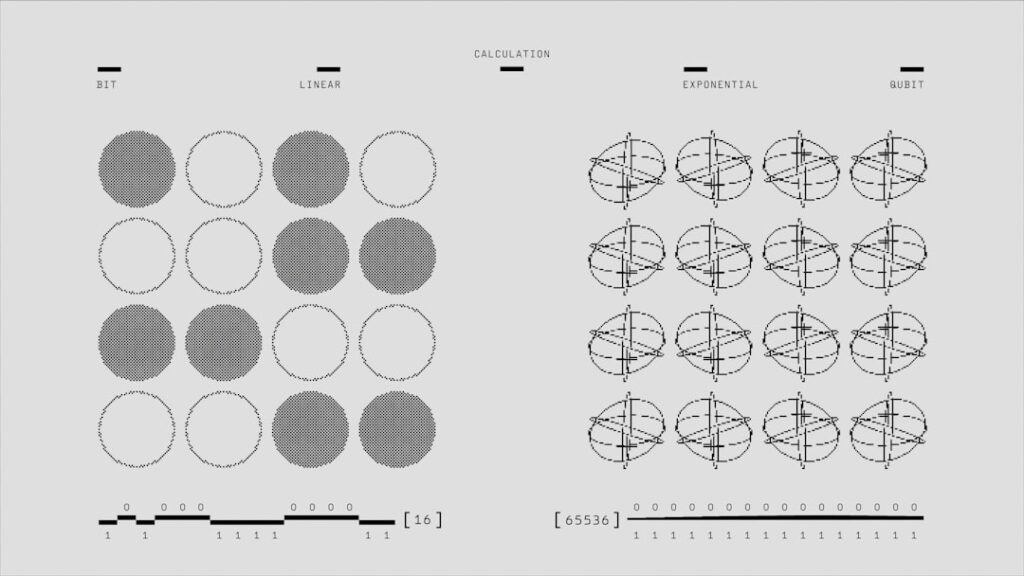
Quantum computing represents a revolutionary leap in the field of computation, harnessing the principles of quantum mechanics to process information in ways that classical computers cannot. Unlike traditional computers, which use bits as the smallest unit of data, quantum computers utilize qubits. These qubits can exist in multiple states simultaneously, thanks to phenomena such as superposition and entanglement. This unique capability allows quantum computers to perform complex calculations at unprecedented speeds, making them particularly suited for tasks involving large datasets and intricate algorithms.
As the development of quantum computing technology accelerates, its implications extend far beyond mere computational power. The potential applications range from drug discovery and optimization problems to artificial intelligence and cryptography. However, with these advancements come significant challenges, particularly concerning data privacy and security. As quantum computers become more capable, they threaten to undermine existing encryption methods that protect sensitive information, prompting a reevaluation of how data privacy is maintained in an increasingly digital world.
In the context of exploring the transformative impact of quantum computing on global data privacy, an insightful article titled “Cybersecurity Solutions for the Quantum Era” delves into the challenges and opportunities that arise as we navigate this new technological landscape. This piece complements the discussion in “Signals Shaping Tomorrow: How Quantum Computing Redefines Global Data Privacy” by providing practical insights into the necessary adaptations in cybersecurity strategies to safeguard sensitive information in a world increasingly influenced by quantum advancements. For more information, you can read the article here: Cybersecurity Solutions for the Quantum Era.
The Impact of Quantum Computing on Data Privacy
The advent of quantum computing poses a profound challenge to data privacy as it has the potential to break many of the encryption algorithms currently in use. Traditional encryption methods, such as RSA and ECC (Elliptic Curve Cryptography), rely on the difficulty of certain mathematical problems for their security. For instance, RSA encryption is based on the challenge of factoring large prime numbers, a task that is computationally intensive for classical computers. However, quantum computers can leverage algorithms like Shor’s algorithm to factor these numbers exponentially faster, rendering current encryption methods obsolete.
This impending threat raises critical concerns for individuals and organizations alike. Sensitive data, including personal information, financial records, and proprietary business secrets, could be exposed if quantum computing capabilities reach a level where they can effectively break existing encryption standards. As a result, there is an urgent need for new strategies and technologies to safeguard data privacy in a post-quantum world. The implications of this shift are vast, affecting everything from personal privacy rights to national security.
The Role of Quantum Cryptography in Securing Data

In response to the challenges posed by quantum computing, researchers are exploring quantum cryptography as a potential solution for securing data. Quantum cryptography leverages the principles of quantum mechanics to create secure communication channels that are theoretically immune to eavesdropping. One of the most notable protocols in this field is Quantum Key Distribution (QKD), which allows two parties to generate a shared secret key with a level of security that is unattainable by classical means.
The fundamental principle behind QKD is that any attempt to intercept or measure the quantum states used in the key distribution process will disturb those states, alerting the communicating parties to the presence of an eavesdropper. This inherent security feature makes quantum cryptography an attractive option for organizations seeking to protect sensitive information from potential breaches. As quantum technologies continue to evolve, the integration of quantum cryptography into existing communication infrastructures could provide a robust defense against the vulnerabilities introduced by quantum computing.
Quantum Key Distribution: A Game-Changer for Data Security

Quantum Key Distribution stands out as a transformative approach to securing data in an era where traditional encryption methods are under threat. By utilizing the principles of quantum mechanics, QKD enables two parties to exchange cryptographic keys with an unprecedented level of security. The process involves encoding information in quantum states, which can be transmitted over optical fibers or through free space. The unique properties of these quantum states ensure that any attempt at interception will be detectable.
The implications of QKD extend beyond mere theoretical security; practical implementations have already been developed and tested in various settings. For instance, several countries have initiated pilot projects that utilize QKD for secure government communications and financial transactions. As these technologies mature and become more widely adopted, they could redefine how organizations approach data security, providing a reliable means of protecting sensitive information against both current and future threats.
In the exploration of how quantum computing is transforming global data privacy, it is essential to consider the implications of emerging technologies on personal information security. A related article discusses the evolving landscape of digital privacy and the challenges posed by advancements in quantum computing. For a deeper understanding of these issues, you can read more in this insightful piece on privacy policies and their relevance in the age of quantum technology.
Quantum Computing and the Future of Encryption
| Metrics | Data |
|---|---|
| Quantum Computing Power | Exponential increase in processing power |
| Data Privacy | Redefining global data privacy standards |
| Encryption | Ability to break traditional encryption methods |
| Security Risks | New challenges for securing sensitive information |
| Regulatory Framework | Need for updated regulations and policies |
As quantum computing continues to advance, it is imperative for the field of encryption to evolve alongside it. The future of encryption will likely involve a combination of classical and quantum-resistant algorithms designed to withstand the capabilities of quantum computers. Researchers are actively exploring new cryptographic techniques that leverage mathematical problems believed to be difficult for both classical and quantum computers, such as lattice-based cryptography and hash-based signatures.
The transition to post-quantum encryption will not be without its challenges. Organizations must navigate the complexities of integrating new algorithms into existing systems while ensuring compatibility with legacy technologies. Additionally, there is a pressing need for standardization within the cryptographic community to establish widely accepted protocols that can withstand the scrutiny of both current and future threats. As this landscape evolves, it will be crucial for stakeholders across industries to collaborate in developing robust encryption solutions that can safeguard data privacy in a quantum-enabled world.
In exploring the transformative impact of quantum computing on global data privacy, it is essential to consider related discussions on the broader implications of emerging technologies. An insightful article that delves into the ethical dimensions of technological advancements can be found here, where it examines how innovations shape societal norms and privacy expectations. This connection underscores the importance of understanding not just the technical aspects of quantum computing, but also the ethical frameworks that will guide its integration into our daily lives. For further reading, you can check out the article on ethical technology [here](https://bywilliams.net/my-lists/create-a-list/).
Quantum Computing and the Challenges of Post-Quantum Cryptography
The development of post-quantum cryptography presents a formidable challenge for researchers and practitioners alike. While there is a growing consensus on the need for new cryptographic standards that can resist quantum attacks, identifying suitable algorithms is a complex task. Many proposed solutions require extensive testing and validation to ensure their security and efficiency in real-world applications.
Moreover, transitioning from established cryptographic systems to post-quantum alternatives involves significant logistical hurdles. Organizations must assess their current infrastructure and determine how best to implement new algorithms without disrupting operations or compromising security during the transition period. This process necessitates careful planning and collaboration among various stakeholders, including government agencies, private sector companies, and academic institutions.
Quantum Computing and the Potential Threats to Current Data Privacy Measures
As quantum computing technology progresses, it poses an existential threat to current data privacy measures that rely on classical encryption methods. The ability of quantum computers to solve complex mathematical problems at unprecedented speeds means that sensitive information encrypted with traditional algorithms could be decrypted within a matter of hours or even minutes. This reality raises urgent questions about the adequacy of existing data protection frameworks.
Organizations must recognize that their current data privacy measures may soon become obsolete in the face of advancing quantum capabilities. This awareness should prompt proactive measures to assess vulnerabilities and explore alternative solutions that can withstand potential quantum attacks. Failure to adapt could result in significant data breaches, loss of consumer trust, and severe legal repercussions as regulatory frameworks evolve to address these emerging threats.
The Race to Develop Quantum-Safe Encryption Standards
In light of the looming threat posed by quantum computing, there is an urgent race among researchers and organizations to develop quantum-safe encryption standards. This endeavor involves identifying cryptographic algorithms that can resist attacks from both classical and quantum computers while maintaining efficiency and usability. Various initiatives are underway globally, with organizations like the National Institute of Standards and Technology (NIST) leading efforts to evaluate and standardize post-quantum cryptographic algorithms.
The race for quantum-safe standards is not merely an academic exercise; it has real-world implications for businesses and governments alike. As organizations begin to adopt new technologies that incorporate quantum-resistant algorithms, they must also consider how these changes will impact their existing systems and processes. Collaboration among industry leaders, policymakers, and researchers will be essential in ensuring that new standards are not only secure but also practical for widespread implementation.
The Global Implications of Quantum Computing on Data Privacy Laws
The rise of quantum computing has far-reaching implications for data privacy laws around the world. As traditional encryption methods become vulnerable to quantum attacks, lawmakers must grapple with how existing regulations can adapt to this new reality. Countries may need to revise their legal frameworks governing data protection to account for the unique challenges posed by quantum technologies.
Furthermore, international cooperation will be crucial in establishing consistent standards for data privacy in the face of evolving threats. As different jurisdictions respond to the challenges posed by quantum computing at varying paces, discrepancies in regulations could create confusion and complicate cross-border data flows. Policymakers must work together to develop harmonized approaches that protect individuals’ rights while fostering innovation in the field of quantum computing.
Quantum Computing and the Need for International Collaboration on Data Privacy
The global nature of data privacy challenges necessitates international collaboration as countries navigate the implications of quantum computing on their legal frameworks. As nations develop their own responses to the threats posed by quantum technologies, it is essential for them to share knowledge and best practices in order to create cohesive strategies that protect data privacy on a global scale.
Collaborative efforts can take many forms, including joint research initiatives, international conferences focused on data privacy in the context of quantum computing, and partnerships between governments and private sector entities. By fostering dialogue among stakeholders from different regions, countries can better understand each other’s approaches and work towards establishing common standards that address the unique challenges posed by emerging technologies.
Navigating the Future of Data Privacy in the Quantum Computing Era
As society stands on the brink of a new era defined by quantum computing, navigating the future of data privacy presents both challenges and opportunities. The potential for quantum technologies to disrupt existing encryption methods necessitates a proactive approach from individuals, organizations, and governments alike. Embracing innovations such as quantum cryptography and post-quantum encryption will be essential in safeguarding sensitive information against emerging threats.
Moreover, fostering international collaboration will play a pivotal role in shaping effective data privacy laws that can withstand the complexities introduced by quantum computing. By working together across borders and sectors, stakeholders can develop robust strategies that not only protect individual rights but also promote innovation in an increasingly interconnected world. As we move forward into this uncharted territory, it is imperative that all parties remain vigilant and adaptable in order to secure data privacy in the face of rapid technological advancements.