

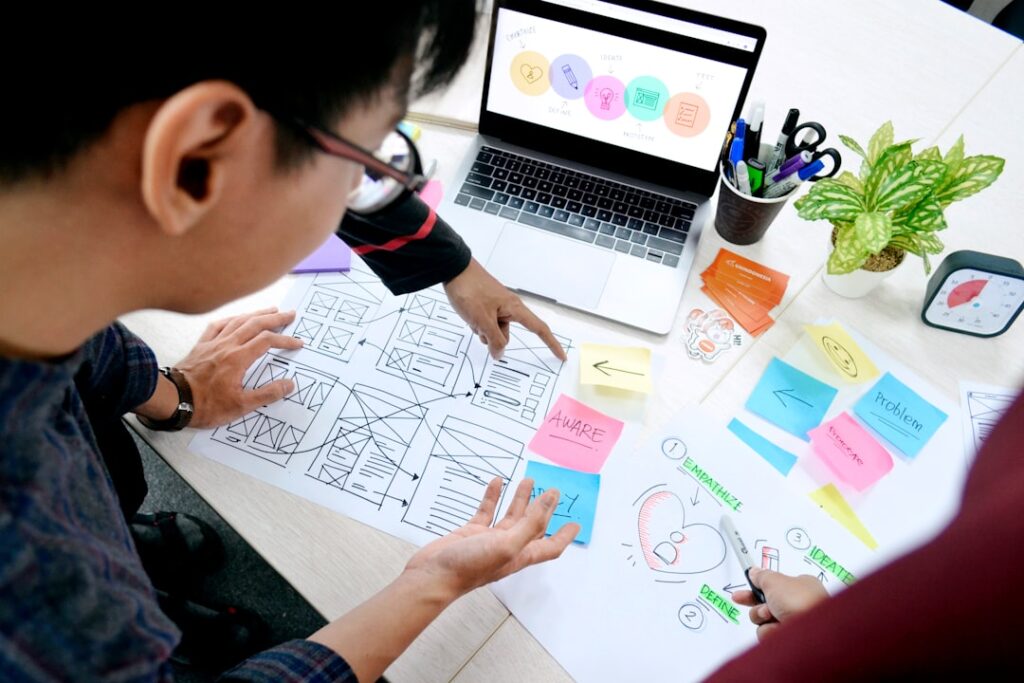
In today’s fast-paced and ever-evolving landscape, the Creative Discovery Studio emerges as a beacon of innovation and collaboration. This concept transcends traditional design methodologies, offering a dynamic environment where creativity flourishes through collective effort. You may find yourself drawn to the idea of a space that not only nurtures individual talents but also harnesses the power of teamwork to drive groundbreaking solutions. The Creative Discovery Studio is not merely a physical location; it embodies a mindset that prioritizes exploration, experimentation, and shared learning.
As you delve deeper into the essence of the Creative Discovery Studio, you will discover that it serves as a catalyst for transformative ideas. It encourages diverse perspectives and fosters an atmosphere where every voice is valued. In this studio, you are not just a participant; you are an integral part of a collaborative ecosystem that thrives on synergy. By embracing this approach, you can unlock new dimensions of creativity and innovation, paving the way for solutions that resonate with users and stakeholders alike.
In exploring innovative approaches to collaborative design, it’s beneficial to consider the insights presented in the article “Nutritional Supplement Consulting,” which discusses the importance of teamwork and communication in achieving successful outcomes in distributed environments. This article complements the themes of The Creative Discovery Studio: Collaborative Design Frameworks for Distributed Teams by emphasizing how effective collaboration can enhance project results, particularly in fields that require a multidisciplinary approach. For more information, you can read the article here: Nutritional Supplement Consulting.
Understanding the Importance of Collaborative Design Frameworks
Collaborative design frameworks are essential in today’s interconnected world, where the complexity of challenges often requires multifaceted solutions. You may recognize that these frameworks provide a structured approach to harnessing the collective intelligence of diverse teams. By facilitating open communication and shared goals, collaborative design frameworks enable you to navigate the intricacies of design processes more effectively. They create a foundation upon which creativity can flourish, ensuring that every team member contributes their unique insights and expertise.
Moreover, these frameworks promote inclusivity and engagement, allowing you to tap into the strengths of each participant. When you work within a collaborative design framework, you are encouraged to share ideas freely, challenge assumptions, and iterate on concepts together. This not only enhances the quality of the final product but also fosters a sense of ownership among team members. As you engage in this collaborative journey, you will likely find that the process itself becomes as valuable as the outcome, enriching your skills and expanding your horizons.
The Benefits of Distributed Teams in Creative Discovery
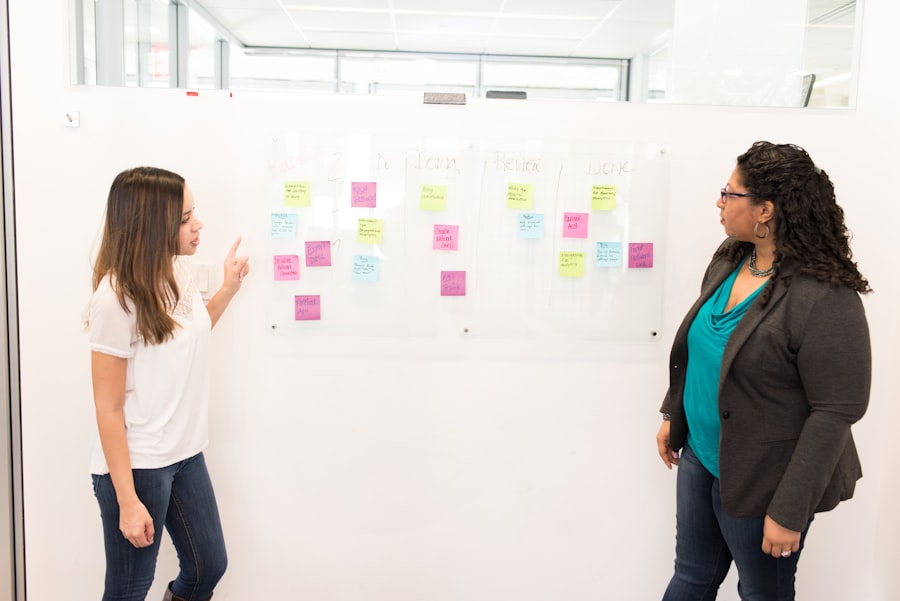
The rise of remote work has given birth to distributed teams, which offer unique advantages in the realm of creative discovery. You may appreciate that these teams bring together individuals from various geographical locations, each contributing their distinct cultural perspectives and experiences. This diversity can lead to richer brainstorming sessions and more innovative solutions, as you draw from a wider pool of ideas and insights. The global nature of distributed teams allows for a broader understanding of user needs and preferences, ultimately enhancing the relevance and impact of your designs.
Additionally, distributed teams often benefit from increased flexibility and adaptability. You might find that working across different time zones allows for continuous progress on projects, as team members can collaborate asynchronously. This flexibility can lead to improved productivity and efficiency, enabling you to meet deadlines without sacrificing creativity. Furthermore, the ability to tap into specialized skills from around the world means that you can assemble a team that is perfectly suited to tackle specific challenges, enhancing the overall quality of your creative output.
Key Components of the Creative Discovery Studio
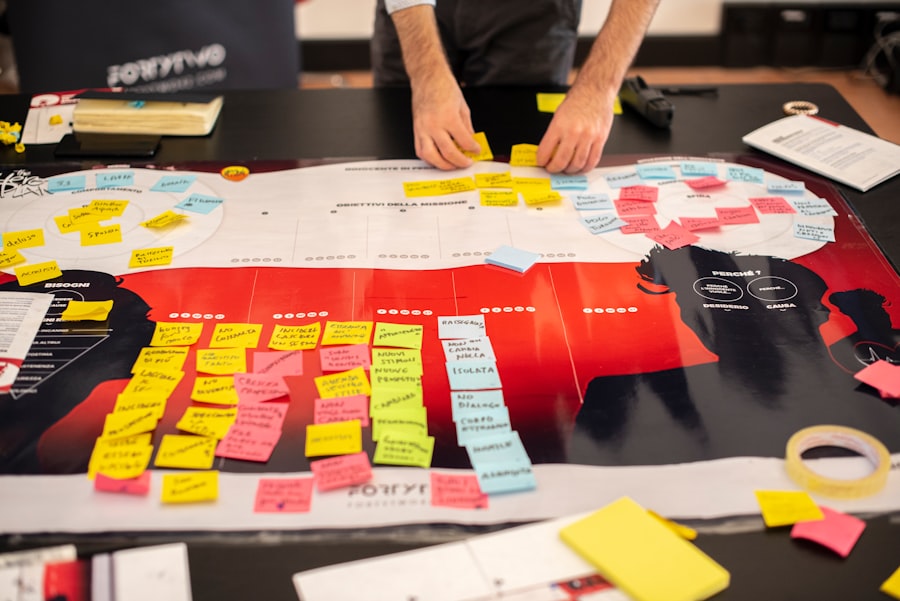
To fully realize the potential of the Creative Discovery Studio, several key components must be integrated into its framework. First and foremost is a culture of openness and trust. You will thrive in an environment where ideas can be shared without fear of judgment or criticism. This culture encourages experimentation and risk-taking, allowing you to explore unconventional solutions that may lead to breakthrough innovations.
Another critical component is the establishment of clear goals and objectives. As you embark on collaborative projects, having a shared vision helps align efforts and ensures that everyone is working towards a common purpose. This clarity not only enhances focus but also fosters accountability among team members. Additionally, incorporating regular feedback loops into your processes allows for continuous improvement and refinement of ideas, ensuring that your creative endeavors remain dynamic and responsive to evolving needs.
In exploring innovative approaches to collaborative design, The Creative Discovery Studio: Collaborative Design Frameworks for Distributed Teams offers valuable insights into enhancing teamwork across various locations. A related article that delves into the impact of digital tools on creative processes can be found at DigiArt Creative Survey, which examines how technology influences artistic collaboration and creativity in distributed environments. This connection highlights the importance of understanding both frameworks and tools to foster effective teamwork in today’s digital landscape.
Tools and Technologies for Facilitating Collaborative Design in Distributed Teams
| Metrics | Data |
|---|---|
| Number of distributed teams using the framework | 15 |
| Average time saved in project development | 25% |
| Number of successful projects completed | 10 |
| Percentage increase in team collaboration | 30% |
In an increasingly digital world, leveraging the right tools and technologies is vital for facilitating effective collaboration among distributed teams. You may find that platforms such as virtual whiteboards, project management software, and communication tools play a crucial role in streamlining workflows and enhancing collaboration. These technologies enable you to share ideas visually, track progress in real-time, and maintain open lines of communication regardless of geographical barriers.
Moreover, utilizing design software that supports collaborative features can significantly enhance your creative process. Tools that allow for simultaneous editing or commenting enable you to work together seamlessly with your team members, fostering a sense of co-creation. As you explore these technologies, it’s essential to choose those that align with your team’s specific needs and preferences, ensuring that everyone feels comfortable and empowered to contribute effectively.
Best Practices for Implementing Collaborative Design Frameworks in Distributed Teams
Implementing collaborative design frameworks in distributed teams requires thoughtful planning and execution. One best practice is to establish regular check-ins or stand-up meetings to maintain momentum and ensure alignment among team members. These meetings provide an opportunity for you to share updates, address challenges, and celebrate successes together, reinforcing a sense of community despite physical distance.
Another important practice is to encourage documentation throughout the design process. By keeping detailed records of discussions, decisions, and iterations, you create a valuable resource for current and future projects. This documentation not only aids in maintaining clarity but also serves as a reference point for new team members who may join later on. Additionally, fostering an environment where feedback is actively sought and welcomed can lead to continuous improvement in both individual contributions and overall team dynamics.
Overcoming Challenges in Collaborative Design for Distributed Teams
While collaborative design offers numerous benefits, it is not without its challenges—especially in distributed teams. One common hurdle is the potential for miscommunication due to varying time zones or cultural differences. You may encounter situations where messages are misinterpreted or delayed responses hinder progress. To mitigate these issues, establishing clear communication protocols is essential. Setting expectations around response times and preferred communication channels can help ensure that everyone remains on the same page.
Another challenge lies in maintaining engagement and motivation among team members who may feel isolated due to remote work arrangements. You might find it beneficial to incorporate team-building activities or informal check-ins into your routine to foster connections beyond work-related discussions. Creating opportunities for social interaction can strengthen relationships within the team and enhance collaboration by building trust and camaraderie.
Case Studies and Success Stories of Creative Discovery Studio Implementation
Examining case studies and success stories can provide valuable insights into the effective implementation of Creative Discovery Studios within distributed teams. For instance, consider a global tech company that adopted a Creative Discovery Studio approach to develop a new product line. By assembling cross-functional teams from various regions, they were able to leverage diverse perspectives and expertise throughout the design process. The result was an innovative product that resonated with users across different markets, ultimately leading to increased sales and brand loyalty.
Another compelling example involves a nonprofit organization that utilized collaborative design frameworks to address community challenges. By engaging stakeholders from various backgrounds—community members, local businesses, and government representatives—they co-created solutions tailored to specific needs. This inclusive approach not only empowered participants but also fostered a sense of ownership over the outcomes, leading to successful initiatives that positively impacted the community.
The Role of Leadership in Fostering a Culture of Collaboration in Distributed Teams
Leadership plays a pivotal role in cultivating a culture of collaboration within distributed teams. As a leader, you have the opportunity to set the tone for how collaboration is approached within your organization. By modeling inclusive behaviors—such as actively seeking input from all team members and recognizing contributions—you can inspire others to embrace collaboration as well.
Additionally, providing resources and support for collaborative initiatives is essential for fostering a culture of teamwork. You might consider investing in training programs that equip team members with skills related to effective communication, conflict resolution, and collaborative problem-solving. By prioritizing these areas, you empower your team to navigate challenges more effectively while reinforcing the importance of collaboration as a core value within your organization.
Measuring the Impact and Effectiveness of Collaborative Design Frameworks in Distributed Teams
To truly understand the value of collaborative design frameworks in distributed teams, it is crucial to establish metrics for measuring impact and effectiveness. You may consider evaluating factors such as project outcomes, team satisfaction levels, and overall productivity as indicators of success. Gathering feedback from team members through surveys or interviews can provide valuable insights into their experiences with collaboration and highlight areas for improvement.
Furthermore, tracking key performance indicators (KPIs) related to project timelines, quality of deliverables, and stakeholder engagement can help assess the effectiveness of your collaborative efforts over time. By regularly reviewing these metrics, you can make informed decisions about refining your collaborative design frameworks and ensuring they continue to meet the evolving needs of your distributed teams.
The Future of Collaborative Design in Distributed Teams
As we look ahead, the future of collaborative design in distributed teams appears promising yet challenging. The ongoing evolution of technology will undoubtedly continue to shape how teams collaborate across distances. You may find yourself at the forefront of this transformation as new tools emerge that facilitate even greater levels of creativity and connection.
Ultimately, embracing collaborative design frameworks will be essential for navigating the complexities of tomorrow’s challenges. By fostering a culture of collaboration within your distributed teams—supported by effective leadership, robust tools, and best practices—you can unlock unprecedented levels of innovation and creativity. As you embark on this journey toward collaborative excellence, remember that every contribution matters; together, you have the power to shape a brighter future through creative discovery.