

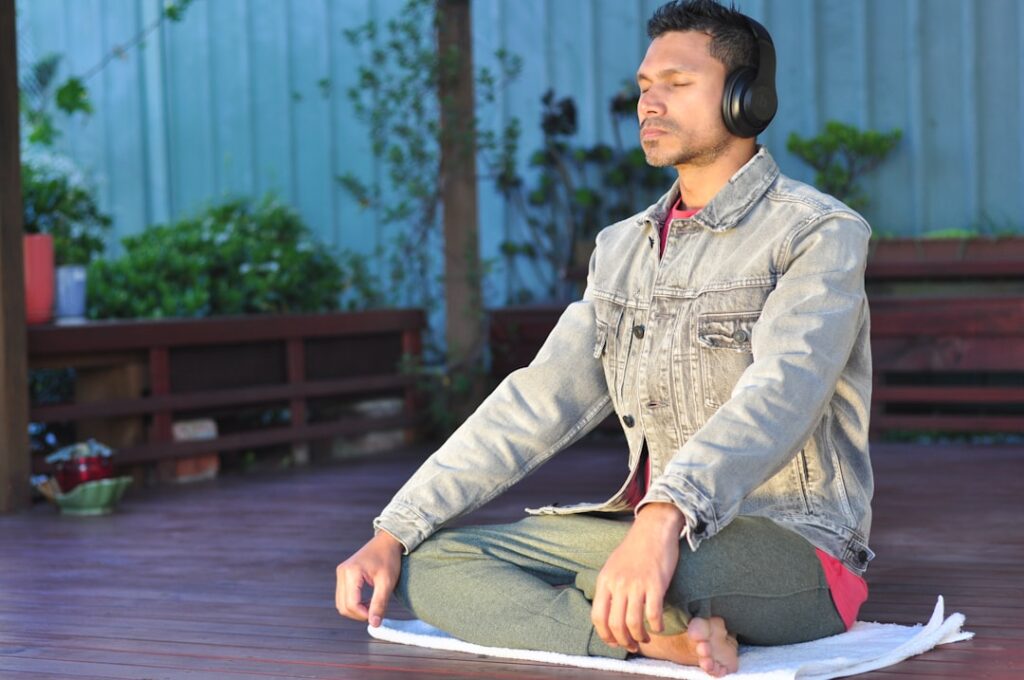
In today’s fast-paced world, the concept of micro-meditation has emerged as a beacon of hope for those seeking tranquility amidst chaos. You may find yourself overwhelmed by the demands of daily life, juggling work responsibilities, family obligations, and personal aspirations. Micro-meditation offers a practical solution, allowing you to carve out brief moments of mindfulness throughout your day. This practice involves engaging in short, focused meditation sessions that can last anywhere from a few seconds to a few minutes. It’s designed to fit seamlessly into your busy schedule, providing you with a quick reset that can enhance your overall well-being.
Micro-meditation is not just about finding a quiet space; it’s about cultivating a state of awareness and presence in the moment. You don’t need to set aside an hour or even half an hour to reap the benefits of meditation. Instead, you can take advantage of small pockets of time—whether during a coffee break, while waiting for a meeting to start, or even in the middle of a hectic workday. By embracing micro-meditation, you can foster a sense of calm and clarity that can significantly improve your focus and productivity.
In exploring the benefits of mindfulness and self-care, a related article titled “The Art of Balancing Work and Creativity” delves into how individuals can incorporate creative practices into their busy schedules, much like the micro-meditation techniques discussed in The Me Time Method: The Power of Micro-Meditation in a Busy Workday. This article emphasizes the importance of nurturing one’s creative side to enhance overall well-being and productivity. For more insights, you can read the article here: The Art of Balancing Work and Creativity.
Understanding the Benefits of Micro-Meditation
The benefits of micro-meditation are both profound and practical. One of the most immediate advantages you may notice is a reduction in stress levels. When you take just a few moments to breathe deeply and center yourself, you allow your mind to step away from the whirlwind of thoughts and worries that often cloud your judgment. This brief pause can help you regain perspective, making it easier to tackle challenges with a clear mind and renewed energy.
Additionally, micro-meditation can enhance your emotional resilience. By regularly practicing mindfulness, you train your brain to respond more effectively to stressors. You may find that you become less reactive to difficult situations, allowing you to approach problems with a level-headed attitude. This emotional stability not only benefits you personally but also positively impacts your interactions with colleagues and loved ones, fostering healthier relationships and a more harmonious work environment.
How to Incorporate Micro-Meditation into Your Workday
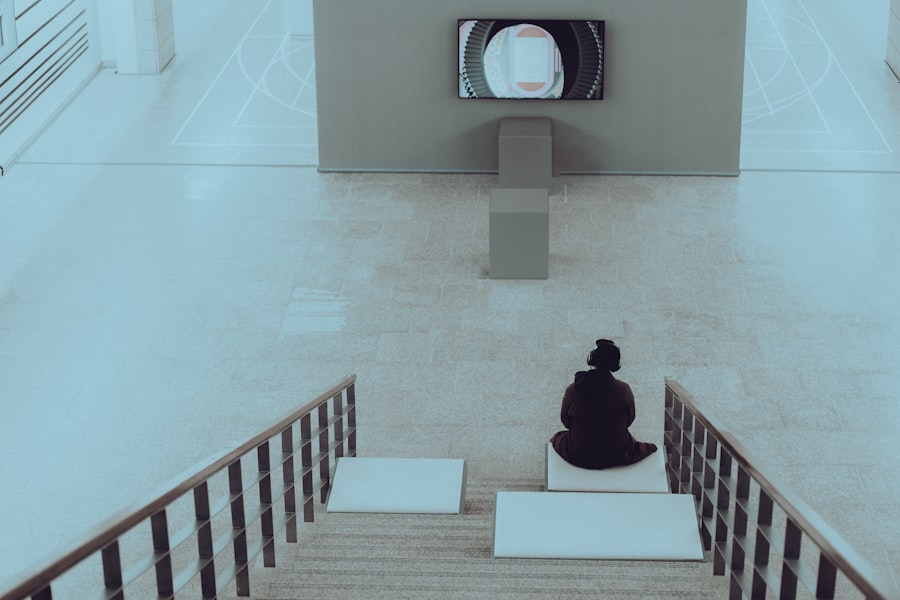
Incorporating micro-meditation into your workday doesn’t have to be complicated. Start by identifying specific moments when you can pause and practice mindfulness. For instance, consider setting aside two minutes before diving into your next task or taking a short break after completing a project. You might also find it helpful to schedule these micro-meditation sessions into your calendar as reminders, ensuring that you prioritize this essential practice amidst your busy schedule.
Another effective strategy is to use transitional moments as opportunities for micro-meditation. For example, while waiting for a meeting to begin or during your commute, you can engage in simple breathing exercises or visualization techniques. By associating these moments with mindfulness practices, you create a natural rhythm that integrates micro-meditation into your daily routine without feeling like an additional burden.
Creating a Calm and Comfortable Environment for Micro-Meditation

While micro-meditation can be practiced anywhere, creating a calm and comfortable environment can enhance your experience significantly. If possible, find a quiet space where you won’t be disturbed. This could be a corner of your office, a nearby park, or even your car during lunch breaks. The key is to choose a location that feels safe and conducive to relaxation.
You might also consider incorporating elements that promote tranquility into your environment. Soft lighting, soothing scents like lavender or eucalyptus, and comfortable seating can all contribute to a more inviting atmosphere for meditation. Even if you’re in a bustling office, using noise-canceling headphones or playing soft instrumental music can help drown out distractions and create a personal oasis for your practice.
In today’s fast-paced world, finding moments of peace can be challenging, but resources like The Me Time Method: The Power of Micro-Meditation in a Busy Workday offer valuable insights into incorporating mindfulness into our daily routines. For those interested in exploring how others prioritize self-care amidst their hectic schedules, a related article discusses the findings from a recent coaching survey that highlights the importance of personal time management. You can read more about it here. This connection underscores the growing recognition of the need for micro-meditation techniques to enhance productivity and well-being.
Different Techniques for Micro-Meditation
| Chapter | Metrics |
|---|---|
| Introduction | Overview of the Me Time Method |
| Chapter 1 | Benefits of Micro-Meditation |
| Chapter 2 | Techniques for Quick Meditation |
| Chapter 3 | Case Studies and Success Stories |
| Chapter 4 | Implementing Micro-Meditation in the Workplace |
There are various techniques you can explore when practicing micro-meditation, each offering unique benefits tailored to your needs. One popular method is focused breathing, where you concentrate on your breath as it flows in and out of your body. This technique helps anchor your thoughts and brings awareness to the present moment. You might find it helpful to count your breaths or visualize each inhale as a wave of calm washing over you.
Another effective technique is body scanning, where you mentally check in with different parts of your body, releasing tension as you go. Start from the top of your head and work your way down to your toes, noticing any areas of tightness or discomfort. As you focus on each body part, consciously relax those muscles and let go of any stress you may be holding onto. This practice not only promotes relaxation but also fosters a deeper connection between your mind and body.
In today’s fast-paced world, finding moments of tranquility can be challenging, yet essential for maintaining productivity and well-being. The Me Time Method: The Power of Micro-Meditation in a Busy Workday offers valuable insights into how brief meditation practices can enhance focus and reduce stress. For those interested in exploring further strategies for managing work-related pressures, a related article discusses various professional services that can support mental health and productivity. You can read more about these helpful resources in this informative piece on professional services.
Overcoming Challenges and Distractions during Micro-Meditation
Despite its simplicity, you may encounter challenges when trying to practice micro-meditation. One common obstacle is the presence of distractions—both external and internal. You might find it difficult to focus due to noise from colleagues or the constant pinging of notifications on your phone. To combat this, consider using techniques such as visualization or mantra repetition to help center your thoughts and minimize distractions.
Internal distractions can be just as challenging; racing thoughts about work tasks or personal concerns may creep in during your meditation sessions. When this happens, gently acknowledge these thoughts without judgment and guide your focus back to your breath or chosen technique. Remember that it’s normal for the mind to wander; the key is to cultivate patience and compassion for yourself as you navigate these challenges.
The Science Behind Micro-Meditation and its Impact on Productivity
Research has shown that even brief periods of meditation can have significant effects on cognitive function and productivity. Studies indicate that micro-meditation can enhance attention span, improve memory retention, and boost creativity—all essential components for success in the workplace. When you take time to meditate, you’re not just pausing; you’re actively training your brain to perform better under pressure.
Moreover, micro-meditation has been linked to increased emotional intelligence and improved decision-making skills. By fostering mindfulness, you become more attuned to your emotions and those of others around you. This heightened awareness allows for more thoughtful responses in challenging situations, ultimately leading to better outcomes both personally and professionally.
Tips for Making Micro-Meditation a Habit
To truly reap the benefits of micro-meditation, consistency is key. Start by setting realistic goals for yourself; aim for just one or two sessions per day initially. As you become more comfortable with the practice, gradually increase the frequency or duration of your sessions. You might also consider keeping a journal to track your progress and reflect on how micro-meditation impacts your mood and productivity over time.
Another effective strategy is to pair micro-meditation with existing habits in your routine. For instance, if you enjoy morning coffee, use that time as an opportunity for mindfulness before diving into work tasks. By linking meditation with established habits, you create a natural cue that reinforces the practice in your daily life.
Incorporating Mindfulness into Micro-Meditation
Mindfulness is at the heart of micro-meditation; it’s about being fully present in the moment without judgment or distraction. To deepen your practice, focus on cultivating mindfulness during each session by engaging all of your senses. Pay attention to the sensations in your body, the sounds around you, and even the taste of the air as you breathe deeply.
You might also explore mindful walking as a form of micro-meditation. During breaks or while commuting, take a few moments to walk slowly and deliberately, paying attention to each step and the sensations in your feet as they connect with the ground. This practice not only enhances mindfulness but also encourages physical movement—an essential component of overall well-being.
Sharing the Benefits of Micro-Meditation with Colleagues
As you begin to experience the positive effects of micro-meditation in your own life, consider sharing this practice with colleagues or team members. You might initiate informal discussions about mindfulness at work or suggest organizing group meditation sessions during lunch breaks. By fostering an environment that values mental well-being, you contribute to a culture of support and collaboration within your workplace.
Additionally, sharing resources such as articles or apps related to micro-meditation can help others explore this practice at their own pace. Encourage open conversations about mental health and stress management; by normalizing these discussions, you create an atmosphere where everyone feels empowered to prioritize their well-being.
The Lasting Impact of Micro-Meditation on Work-Life Balance
In conclusion, micro-meditation offers a powerful tool for enhancing work-life balance in today’s demanding environment. By embracing this practice, you cultivate mindfulness that not only reduces stress but also improves focus and emotional resilience. As you incorporate micro-meditation into your daily routine, remember that consistency is essential; even small moments of mindfulness can lead to significant changes over time.
Ultimately, the lasting impact of micro-meditation extends beyond individual well-being—it fosters healthier relationships at work and contributes to a more positive workplace culture overall. By prioritizing mental health through practices like micro-meditation, you empower yourself and those around you to thrive both personally and professionally.