

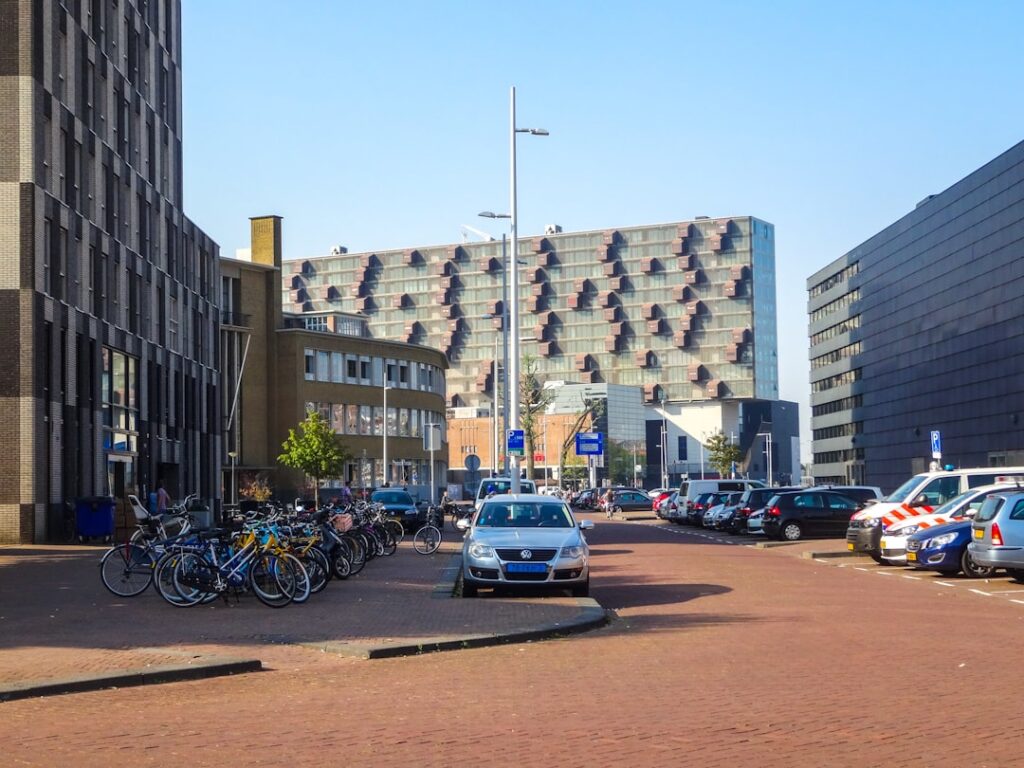
The 15-minute city is an innovative urban planning model that aims to create a more livable and sustainable environment by ensuring that all essential services and amenities are accessible within a 15-minute walk or bike ride from residents’ homes. This concept, which has gained traction in recent years, emphasizes the importance of proximity in urban living, allowing individuals to meet their daily needs without relying heavily on cars. By reimagining urban spaces in this way, cities can foster a sense of community, reduce traffic congestion, and promote healthier lifestyles.
At its core, the 15-minute city seeks to enhance the quality of life for residents by prioritizing accessibility and convenience. This model encourages local businesses, parks, schools, healthcare facilities, and recreational areas to be integrated into neighborhoods, creating vibrant communities where people can thrive. As urban populations continue to grow, the need for sustainable solutions becomes increasingly urgent. The 15-minute city offers a framework for addressing these challenges while promoting social interaction and environmental stewardship.
In exploring the concepts presented in “Signals Shaping Tomorrow: Sustainable Urban Design and the 15-Minute City,” one can find a fascinating perspective on community engagement and creativity in urban planning. A related article that delves into the importance of fostering creativity in children, which can ultimately influence future urban design, is available at this link: Children’s Book Creation. This article emphasizes how nurturing imagination and storytelling in young minds can lead to innovative solutions for sustainable living and urban environments.
The Benefits of Sustainable Urban Design
Sustainable urban design is not merely an aesthetic choice; it is a necessity for the future of cities. By adopting principles of sustainability, urban planners can create environments that minimize ecological footprints while maximizing the well-being of residents. One of the primary benefits of sustainable urban design is its ability to reduce greenhouse gas emissions. By promoting energy-efficient buildings, renewable energy sources, and sustainable transportation options, cities can significantly lower their carbon output and contribute to global efforts against climate change.
Moreover, sustainable urban design enhances public health by encouraging active lifestyles. Walkable neighborhoods with ample green spaces and recreational facilities promote physical activity, which can lead to lower rates of obesity and related health issues. Additionally, access to clean air and green environments has been linked to improved mental health outcomes. By prioritizing sustainability in urban planning, cities can create healthier living conditions that benefit both individuals and the community as a whole.
Prioritizing Pedestrian and Cyclist Infrastructure
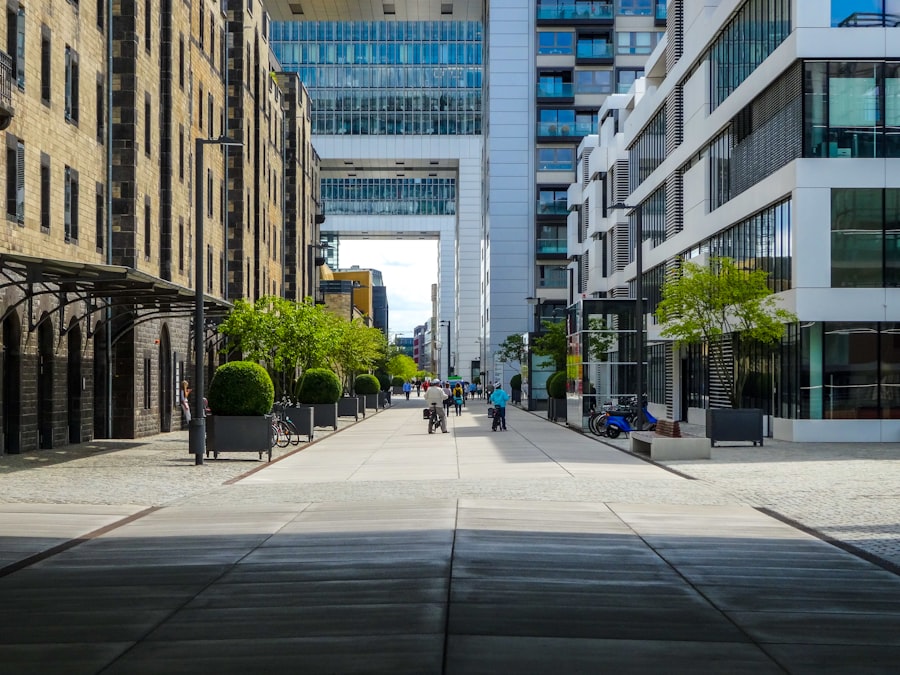
A critical component of the 15-minute city is the emphasis on pedestrian and cyclist infrastructure. By designing streets that prioritize walking and biking, cities can create safer and more enjoyable environments for all residents. This shift not only reduces reliance on cars but also fosters a sense of community as people are more likely to interact with their neighbors when navigating their neighborhoods on foot or by bike.
Investing in dedicated bike lanes, pedestrian pathways, and safe crossings can significantly enhance the overall urban experience. Cities that prioritize these infrastructures often see increased levels of physical activity among residents, leading to healthier populations. Furthermore, improved pedestrian and cyclist infrastructure can stimulate local economies by attracting visitors who are drawn to vibrant, walkable neighborhoods filled with shops, cafes, and cultural attractions.
Reducing Reliance on Cars and Encouraging Public Transit
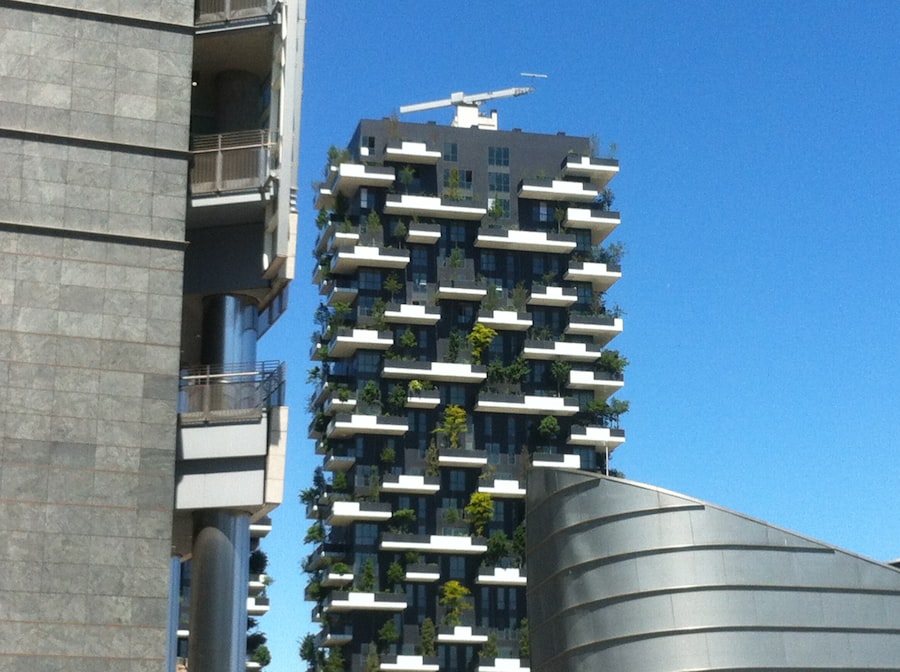
Reducing reliance on cars is a fundamental goal of the 15-minute city model. By creating environments where essential services are within easy reach, urban planners can encourage residents to opt for walking, biking, or using public transit instead of driving. This shift not only alleviates traffic congestion but also contributes to cleaner air and reduced noise pollution.
To support this transition, cities must invest in robust public transit systems that are efficient, reliable, and accessible. Expanding bus and train networks while ensuring they connect seamlessly with residential areas can make public transit a viable option for more people. Additionally, integrating technology into public transit systems—such as real-time tracking apps—can enhance user experience and encourage greater adoption of these services.
In exploring the concepts presented in “Signals Shaping Tomorrow: Sustainable Urban Design and the 15-Minute City,” it is essential to consider the broader implications of urban planning on community well-being. A related article discusses the importance of diversity, equity, and inclusion in urban development, highlighting how these principles can enhance the livability of cities. For more insights on this topic, you can read about it in the article on diversity, equity, and inclusion consulting. Integrating these values into sustainable design can create more equitable urban spaces that benefit all residents.
Creating Mixed-Use Neighborhoods for Convenience
| City | Population | Green Spaces (in acres) | Public Transportation Coverage (%) |
|---|---|---|---|
| New York City | 8,336,817 | 28,000 | 85% |
| Paris | 2,148,271 | 16,000 | 100% |
| Melbourne | 5,078,193 | 36,000 | 92% |
Mixed-use neighborhoods are a cornerstone of the 15-minute city concept. By combining residential, commercial, and recreational spaces within close proximity, urban planners can create vibrant communities that cater to diverse needs. This approach not only enhances convenience for residents but also fosters economic growth by supporting local businesses.
In mixed-use developments, residents can easily access shops, restaurants, schools, and parks without needing to travel long distances. This integration promotes social interaction and community engagement while reducing the need for extensive commuting. Furthermore, mixed-use neighborhoods can help revitalize underutilized areas of cities, transforming them into lively hubs that attract both residents and visitors alike.
Utilizing Green Spaces and Urban Agriculture
Green spaces play a vital role in enhancing urban environments by providing areas for recreation, relaxation, and social interaction. The 15-minute city model emphasizes the importance of incorporating parks and green areas within walking distance of residential neighborhoods. These spaces not only improve air quality but also contribute to the overall well-being of residents by offering opportunities for physical activity and mental rejuvenation.
Urban agriculture is another innovative aspect of sustainable urban design that aligns with the principles of the 15-minute city. By transforming vacant lots or underutilized spaces into community gardens or urban farms, cities can promote local food production while fostering community engagement. These initiatives not only provide fresh produce but also educate residents about sustainable practices and encourage a sense of ownership over their local environment.
Embracing Technology for Smart City Solutions
The integration of technology into urban planning is essential for creating efficient and responsive cities. Smart city solutions leverage data and technology to enhance the quality of life for residents while optimizing resource management. For instance, smart traffic management systems can reduce congestion by adjusting traffic signals based on real-time data, improving overall mobility within the city.
Additionally, technology can facilitate better communication between city officials and residents. Mobile applications that provide information about public transit schedules, local events, or community resources empower citizens to engage more actively in their neighborhoods. By embracing technology as part of the 15-minute city framework, urban planners can create dynamic environments that adapt to the needs of their communities.
Addressing Equity and Inclusivity in Urban Planning
As cities evolve towards more sustainable models like the 15-minute city, it is crucial to address issues of equity and inclusivity in urban planning. Ensuring that all residents have access to essential services—regardless of socioeconomic status—is fundamental to creating truly livable communities. This requires a commitment to understanding the unique needs of diverse populations and designing solutions that cater to those needs.
Inclusive urban planning involves engaging marginalized communities in the decision-making process. By actively seeking input from residents who may be disproportionately affected by urban policies—such as low-income families or people with disabilities—planners can develop strategies that promote equity and ensure that everyone benefits from improvements in their neighborhoods.
Collaborating with Community Stakeholders for Successful Implementation
Successful implementation of the 15-minute city concept relies heavily on collaboration among various stakeholders. City officials, urban planners, local businesses, community organizations, and residents must work together to create a shared vision for their neighborhoods. This collaborative approach fosters a sense of ownership among community members and encourages active participation in shaping their environment.
Engaging stakeholders early in the planning process allows for diverse perspectives to be considered, leading to more effective solutions that address the specific needs of each community. Regular communication and feedback loops can help maintain momentum throughout implementation while ensuring that projects remain aligned with community goals.
Case Studies of Successful 15-Minute Cities
Several cities around the world have begun to embrace the principles of the 15-minute city model with remarkable success. Paris is perhaps the most notable example; under Mayor Anne Hidalgo’s leadership, the city has implemented numerous initiatives aimed at reducing car dependency while enhancing pedestrian-friendly spaces. The transformation of streets into car-free zones during weekends has encouraged residents to explore their neighborhoods on foot or by bike.
Another inspiring case is Melbourne’s “20-Minute Neighborhood” initiative, which aims to ensure that all essential services are accessible within a short walk or bike ride from homes. This approach has led to increased investment in local businesses and improved public health outcomes as residents engage more actively with their surroundings.
Overcoming Challenges and Obstacles in Shaping Tomorrow’s Sustainable Urban Design
While the vision of a 15-minute city is compelling, numerous challenges must be addressed to bring it to fruition. One significant obstacle is resistance from car-centric cultures that prioritize vehicle ownership over alternative modes of transportation. Changing long-standing habits requires comprehensive education campaigns that highlight the benefits of sustainable living while addressing concerns about convenience and safety.
Additionally, funding remains a critical issue in implementing sustainable urban design initiatives. Cities must explore innovative financing mechanisms—such as public-private partnerships or grants—to support infrastructure improvements without overburdening taxpayers. By overcoming these challenges through collaboration and creative problem-solving, cities can pave the way for a more sustainable future where the principles of the 15-minute city become a reality for all residents.