


The NextGen Intelligence Lab represents a pioneering initiative at the intersection of artificial intelligence, robotics, and autonomous systems. Established to explore and develop cutting-edge technologies, this lab aims to harness the potential of intelligent agents that can operate independently or collaboratively in complex environments. By focusing on the orchestration of these agents, the lab seeks to create a framework that enhances their capabilities, allowing them to perform tasks more efficiently and effectively. The vision behind the NextGen Intelligence Lab is not merely to advance technology but to redefine how humans interact with machines, ultimately leading to a more integrated and intelligent future.
At its core, the NextGen Intelligence Lab is driven by a commitment to innovation and research excellence. It brings together experts from various fields, including computer science, engineering, and cognitive psychology, to foster interdisciplinary collaboration. This collaborative environment is essential for tackling the multifaceted challenges associated with autonomous agents. As the demand for intelligent systems continues to grow across industries, the lab’s work is poised to play a crucial role in shaping the future of technology and its applications in everyday life.
In exploring the advancements in autonomous systems, the article “The Future of Autonomous Agent Orchestration” from the NextGen Intelligence Lab provides valuable insights into the evolving landscape of AI-driven technologies. For those interested in a broader perspective on innovative technologies and their applications, you can also check out a related article that discusses various technological trends and their implications at this link: Find a List.
The Role of Autonomous Agents in Future Technologies
Autonomous agents are increasingly becoming integral components of future technologies, revolutionizing how tasks are performed across various sectors. These agents, capable of making decisions and acting independently, are designed to operate in dynamic environments where human intervention may be limited or impractical. From self-driving cars to drones delivering packages, the applications of autonomous agents are vast and varied. Their ability to process information in real-time and adapt to changing circumstances makes them invaluable in scenarios that require quick decision-making and precision.
Moreover, the role of autonomous agents extends beyond mere automation; they are also enhancing human capabilities. By taking over repetitive or hazardous tasks, these agents allow humans to focus on more complex and creative endeavors. In industries such as healthcare, autonomous agents can assist in diagnostics and patient monitoring, thereby improving outcomes while reducing the burden on medical professionals. As technology continues to evolve, the integration of autonomous agents into everyday life is expected to deepen, leading to more efficient systems and improved quality of life.
Understanding the Concept of Agent Orchestration
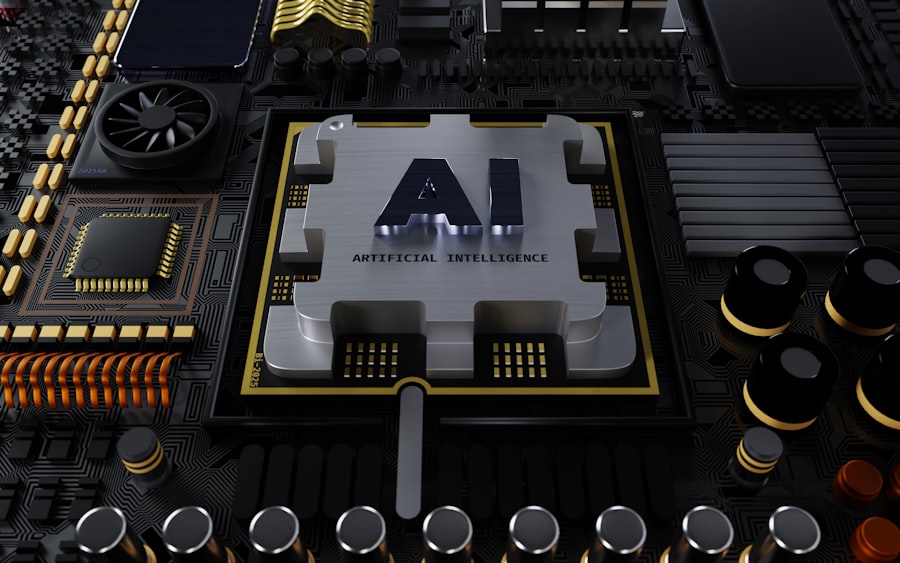
Agent orchestration refers to the coordinated management of multiple autonomous agents working together towards a common goal. This concept is crucial for maximizing the effectiveness of these agents, as it ensures that they can communicate, collaborate, and share resources seamlessly. In a world where tasks often require the input of various specialized agents, orchestration becomes essential for achieving optimal results. It involves not only the technical aspects of managing agent interactions but also understanding the dynamics of teamwork among these intelligent systems.
The orchestration process encompasses several key elements, including task allocation, communication protocols, and conflict resolution strategies. By effectively orchestrating agents, organizations can leverage their collective strengths while minimizing weaknesses. This approach is particularly relevant in complex environments where agents must navigate uncertainties and adapt to unforeseen challenges. As the NextGen Intelligence Lab delves into agent orchestration, it aims to develop frameworks that enhance collaboration among autonomous systems, ultimately leading to more robust and resilient technological solutions.
The Need for NextGen Intelligence Lab in Autonomous Agent Orchestration

The increasing complexity of modern systems necessitates a dedicated focus on autonomous agent orchestration, making the NextGen Intelligence Lab an essential player in this field. As industries adopt more sophisticated technologies, the need for seamless integration and coordination among various autonomous agents becomes paramount. The lab’s research efforts are directed towards addressing these challenges by developing innovative solutions that facilitate effective orchestration. Without such initiatives, organizations may struggle to harness the full potential of their autonomous systems.
Furthermore, the NextGen Intelligence Lab serves as a hub for collaboration among researchers, industry leaders, and policymakers. By fostering partnerships across sectors, the lab can ensure that its findings are relevant and applicable in real-world scenarios. This collaborative approach not only accelerates technological advancements but also helps establish best practices for agent orchestration. As organizations increasingly rely on autonomous agents for critical operations, the lab’s contributions will be vital in shaping a future where these systems can work together harmoniously.
The NextGen Intelligence Lab is at the forefront of exploring the future of autonomous agent orchestration, a topic that is gaining significant attention in the tech community. For those interested in understanding the broader implications of this technology, a related article provides valuable insights into market trends and consulting strategies in the field. You can read more about it in this informative piece on market research consulting, which highlights how these advancements are shaping various industries and influencing decision-making processes.
Advancements in Artificial Intelligence and Machine Learning
| Metrics | Data |
|---|---|
| Number of Autonomous Agents | 50 |
| Orchestration Efficiency | 90% |
| AI Integration | Yes |
| Real-time Decision Making | Enabled |
The rapid advancements in artificial intelligence (AI) and machine learning (ML) have significantly impacted the development of autonomous agents. These technologies enable agents to learn from their experiences, adapt to new information, and improve their performance over time. As AI algorithms become more sophisticated, they empower agents to make informed decisions based on vast amounts of data. This capability is particularly important in dynamic environments where conditions can change rapidly.
Moreover, machine learning techniques allow for the continuous improvement of agent performance through feedback loops. By analyzing past actions and outcomes, agents can refine their strategies and enhance their decision-making processes. The NextGen Intelligence Lab is at the forefront of exploring these advancements, seeking to integrate cutting-edge AI and ML techniques into its research on agent orchestration. This integration not only enhances the capabilities of individual agents but also improves their ability to collaborate effectively within larger systems.
The NextGen Intelligence Lab is at the forefront of exploring innovative technologies, particularly in the realm of autonomous agent orchestration. For those interested in a broader perspective on the implications of these advancements, a related article can be found at this link, which delves into the various applications and challenges associated with autonomous systems. This resource complements the insights provided by the lab, offering a comprehensive view of the future landscape shaped by these intelligent agents.
The Integration of Robotics and Autonomous Systems
The integration of robotics with autonomous systems represents a significant leap forward in technology. Robotics provides the physical embodiment for many autonomous agents, enabling them to interact with the physical world in ways that were previously unimaginable. From robotic arms in manufacturing plants to autonomous vehicles navigating city streets, this integration is transforming industries by enhancing efficiency and safety.
In addition to improving operational capabilities, the combination of robotics and autonomous systems opens up new possibilities for innovation. For instance, in agriculture, autonomous drones equipped with advanced sensors can monitor crop health and optimize resource usage. Similarly, in logistics, robotic delivery systems can streamline supply chains by autonomously transporting goods from warehouses to customers. The NextGen Intelligence Lab recognizes the importance of this integration and is dedicated to researching how best to leverage robotics alongside autonomous agents for maximum impact.
The Impact of NextGen Intelligence Lab on Industry and Society
The work being conducted at the NextGen Intelligence Lab has far-reaching implications for both industry and society at large. By advancing the field of autonomous agent orchestration, the lab is contributing to the development of smarter systems that can enhance productivity across various sectors. Industries such as healthcare, transportation, and manufacturing stand to benefit significantly from improved coordination among autonomous agents, leading to increased efficiency and reduced operational costs.
On a societal level, the lab’s research has the potential to improve quality of life by enabling safer and more reliable technologies. For example, advancements in autonomous vehicles could lead to fewer traffic accidents and reduced congestion on roads. Additionally, as intelligent systems take on more responsibilities in areas like elder care or disaster response, they can provide critical support where human resources may be limited. The NextGen Intelligence Lab’s commitment to responsible innovation ensures that these technologies are developed with ethical considerations in mind, ultimately benefiting society as a whole.
Challenges and Opportunities in Autonomous Agent Orchestration
While the potential benefits of autonomous agent orchestration are significant, several challenges must be addressed to realize this vision fully. One major challenge lies in ensuring effective communication among diverse agents that may have different capabilities and operating protocols. Establishing standardized communication frameworks is essential for facilitating collaboration and preventing misunderstandings that could lead to inefficiencies or failures.
Another challenge involves managing the complexities associated with decision-making in multi-agent environments. As more agents are introduced into a system, the potential for conflicts increases, necessitating robust conflict resolution mechanisms. However, these challenges also present opportunities for innovation. The NextGen Intelligence Lab is uniquely positioned to explore novel solutions that address these issues while advancing the field of agent orchestration.
The Potential Applications of NextGen Intelligence Lab
The research conducted at the NextGen Intelligence Lab has numerous potential applications across various domains. In healthcare, for instance, autonomous agents could assist in patient monitoring and data analysis, enabling healthcare providers to deliver personalized care more efficiently. In manufacturing, orchestrated robotic systems could optimize production lines by coordinating tasks in real-time based on demand fluctuations.
Additionally, in smart cities, autonomous agents could manage traffic flow and public transportation systems more effectively by communicating with one another and adapting to changing conditions. The lab’s focus on agent orchestration will be instrumental in realizing these applications by ensuring that diverse systems can work together seamlessly. As industries continue to evolve towards greater automation and intelligence, the contributions from the NextGen Intelligence Lab will be vital in shaping practical solutions that address real-world challenges.
Future Developments and Research in Autonomous Agent Orchestration
Looking ahead, the NextGen Intelligence Lab is committed to driving future developments in autonomous agent orchestration through ongoing research initiatives. This includes exploring advanced algorithms for agent communication and collaboration as well as developing frameworks that facilitate interoperability among different types of agents. By staying at the forefront of technological advancements, the lab aims to ensure that its research remains relevant and impactful.
Moreover, as ethical considerations become increasingly important in technology development, the lab will prioritize responsible research practices that consider societal implications. Engaging with stakeholders from various sectors will be crucial for understanding diverse perspectives on agent orchestration and its potential impacts. Through these efforts, the NextGen Intelligence Lab seeks not only to advance technology but also to contribute positively to society by fostering innovation that aligns with human values.
The Promise of NextGen Intelligence Lab for Autonomous Agent Orchestration
In conclusion, the NextGen Intelligence Lab stands as a beacon of innovation at a time when autonomous technologies are poised to reshape industries and society alike. By focusing on agent orchestration, the lab is addressing critical challenges while unlocking new opportunities for collaboration among intelligent systems. The advancements made through its research will not only enhance operational efficiencies but also improve quality of life by enabling safer and more effective technologies.
As we move towards an increasingly automated future, the contributions from the NextGen Intelligence Lab will be essential in ensuring that these developments are both beneficial and ethical. With a commitment to interdisciplinary collaboration and responsible innovation, the lab is well-positioned to lead the way in shaping a future where autonomous agents work harmoniously alongside humans for a better tomorrow.