

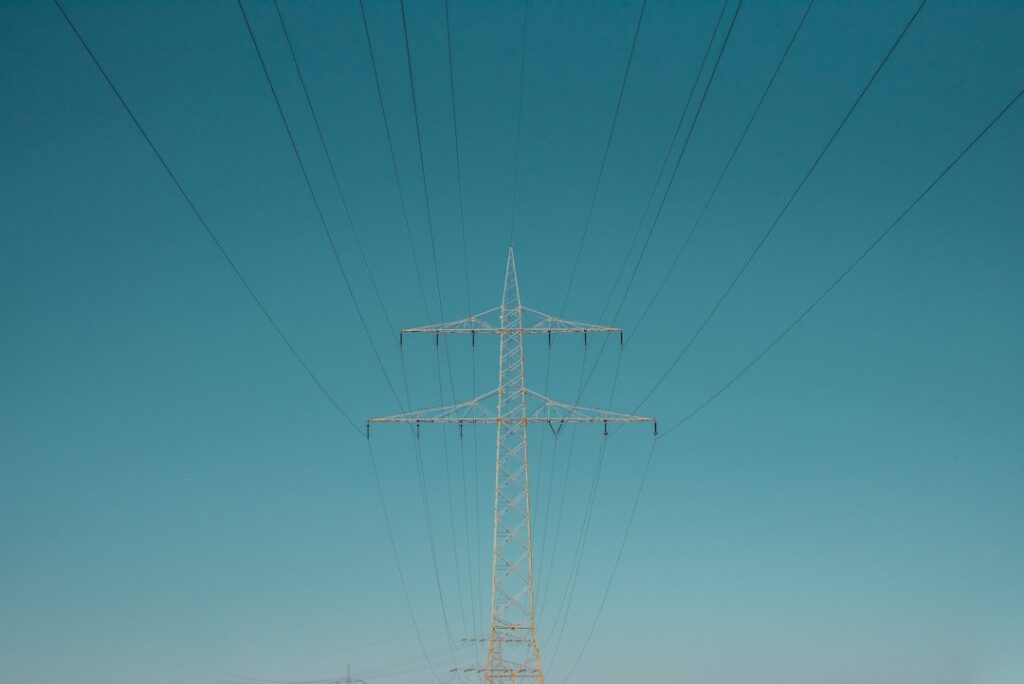
Decentralized energy grids are altering the landscape of urban planning, shifting established paradigms and introducing new considerations for city development. These networks, unlike traditional centralized power stations that generate and distribute electricity across vast distances, are characterized by a more distributed generation of energy resources, often closer to the point of consumption. This fundamental difference carries significant implications for how cities are designed, built, and managed.
Understanding the Core Concept
A centralized energy grid operates as a one-way street: power flows from a few large power plants to consumers. This system has historically facilitated mass distribution and economies of scale. However, it also presents vulnerabilities. A single point of failure, such as a power plant outage or a major transmission line disruption, can have widespread consequences, leading to blackouts that can cripple urban life.
The Rise of Distributed Energy Resources (DERs)
Decentralized energy grids are powered by a diverse array of Distributed Energy Resources (DERs). These can include rooftop solar panels on homes and businesses, micro-wind turbines, combined heat and power (CHP) systems, and increasingly, battery energy storage systems (BESS). The key characteristic of these resources is their distributed nature, meaning they are located within or adjacent to the communities they serve. This proximity reduces transmission losses, improves grid resilience, and offers greater control to local energy consumers. Imagine a central dam versus a network of smaller, interconnected streams; the latter can reroute water more effectively if one source is disrupted.
Technological Enablers
The transition to decentralized grids is driven by several key technological advancements. The decreasing cost of renewable energy technologies, particularly solar photovoltaics and battery storage, has made them economically viable for widespread adoption. Smart grid technologies, including advanced metering infrastructure (AMI), sophisticated communication networks, and sophisticated control systems, are crucial for managing the complexity of a decentralized grid. These technologies allow for real-time monitoring, demand response, and dynamic load balancing, essentially enabling the grid to “think” and adapt.
In exploring the transformative effects of decentralized energy grids on urban planning, it is also valuable to consider the insights presented in the article “Career Development Coaching” found at this link. This article discusses how emerging technologies and innovative strategies can shape career paths in the energy sector, emphasizing the importance of adaptability and forward-thinking in a rapidly changing landscape. By understanding these dynamics, urban planners can better integrate decentralized energy solutions into their projects, ultimately fostering more sustainable and resilient urban environments.
Impacts on Urban Design and Infrastructure
Rethinking Energy Infrastructure Placement
Traditional urban planning has long integrated large, centralized power stations and their associated transmission infrastructure into the urban fabric. With decentralized grids, this model is being re-evaluated. The emphasis shifts from large, singular points of generation to a multitude of smaller, distributed sources. This can lead to a less visually intrusive energy infrastructure, with solar panels integrated into building designs and smaller substations located within neighborhoods. However, it also necessitates new approaches to managing and integrating these numerous distributed assets, requiring granular planning at the block or even building level.
Building-Integrated Photovoltaics (BIPV)
BIPV refers to the integration of photovoltaic technology into building materials such as facades, roofs, and windows. This approach not only generates electricity but also serves a structural or aesthetic purpose. It allows buildings to become active participants in the energy system, moving beyond passive consumption. The design implications are significant, requiring architects and urban planners to consider the visual and functional integration of solar technology from the outset of a project.
Microgrids and Localized Resilience
Microgrids are localized energy networks that can operate independently from the main grid, or in conjunction with it. They often combine DERs and BESS to ensure power supply during outages. For urban planning, microgrids offer a pathway to enhance the resilience of critical infrastructure, such as hospitals, emergency services, and data centers, as well as entire neighborhoods. Their deployment requires careful consideration of land use, physical connectivity, and regulatory frameworks.
The Evolving Role of the Built Environment
The built environment itself is transforming from a passive energy consumer to an active energy producer and manager. Buildings, as the primary points of energy consumption, are becoming integral components of the decentralized grid. This necessitates a shift in building codes, design standards, and zoning regulations to accommodate and incentivize DER integration.
Smart Buildings and Demand-Side Management
Smart buildings equipped with IoT devices and intelligent control systems can optimize their energy consumption. They can communicate with the grid to adjust their power usage in response to price signals or grid conditions, a practice known as demand-side management. This ability to dynamically adjust consumption is a cornerstone of efficient decentralized grid operation and requires urban planners to consider the communication infrastructure and regulatory frameworks that support such interactions.
Embodied Energy and Lifecycle Considerations
As cities incorporate more distributed energy systems, the embodied energy of these new components and their lifecycle impacts become important considerations for urban planners. While renewable energy sources themselves have low operational carbon emissions, the manufacturing, installation, and eventual disposal of solar panels, batteries, and associated infrastructure contribute to the overall environmental footprint of the city. Sustainable procurement and circular economy principles are becoming increasingly relevant in this context.
Enhancing Grid Resilience and Reliability
Mitigating the Impact of Extreme Weather Events
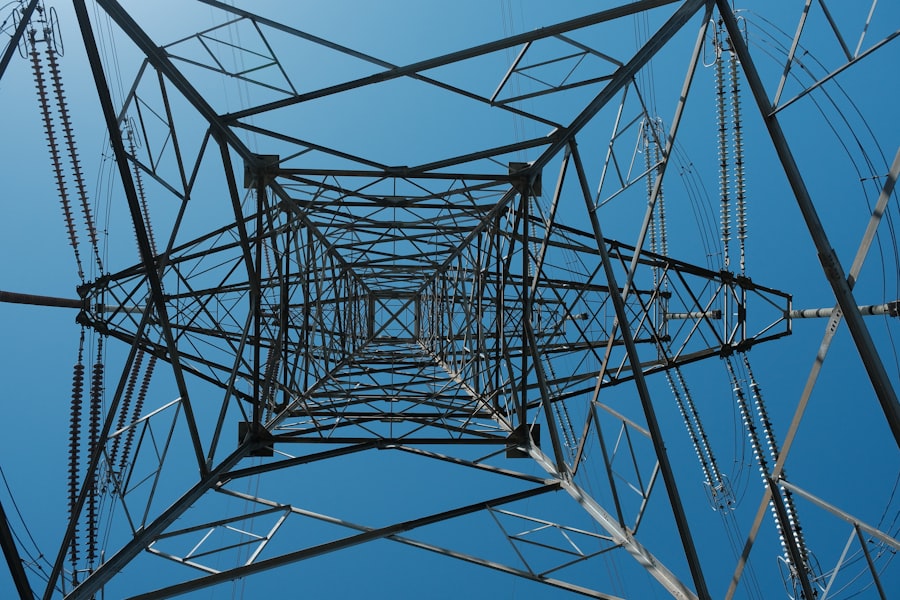
Centralized grids, with their long transmission lines, are particularly vulnerable to disruptions caused by extreme weather events such as hurricanes, floods, and wildfires. A decentralized approach, with a multitude of smaller, interconnected generating sources, offers a significant advantage. If one part of the grid fails, others can continue to operate, preventing widespread blackouts. This resilience is paramount for cities facing increasing climate-related risks.
Redundancy and Interoperability
The design of decentralized grids emphasizes redundancy and interoperability. This means that different components can take over the function of others if they fail, and that diverse energy systems can communicate and coordinate effectively. Urban planning must support the physical integration of these redundant pathways and the digital infrastructure required for seamless communication and control across various distributed assets.
The Role of Energy Storage
Energy storage, particularly in the form of batteries, is a critical enabler of decentralized grids. It allows for the capture of excess renewable energy generated during peak production times and its release when demand is high or renewable generation is low. This smooths out the intermittent nature of sources like solar and wind, significantly enhancing grid reliability. For urban planners, the siting and integration of battery storage facilities, both at the individual building and at community scales, are new considerations.
Community-Scale Battery Storage
Beyond individual building batteries, community-scale battery storage systems are emerging as a vital component of decentralized grids. These larger installations can support neighborhood-level energy stability, provide grid services, and enhance overall resilience. Their placement requires careful urban planning to consider land availability, visual impact, and public safety.
Cybersecurity Concerns in a Distributed Network
The increased interconnectedness and digital control of decentralized grids also introduce new cybersecurity vulnerabilities. A larger number of connected devices presents more potential entry points for malicious actors. Urban planners and energy system designers must prioritize robust cybersecurity measures, including secure communication protocols, access controls, and continuous monitoring, to protect the integrity of the energy supply. This necessitates a collaborative approach between IT security experts, urban planners, and utility providers.
Economic and Social Implications for Cities
Local Economic Development and Job Creation
The shift towards decentralized energy can foster local economic development. The installation, maintenance, and management of DERs create new jobs within urban areas. This can range from solar panel installers and battery technicians to energy management specialists. Furthermore, the increased energy independence offered by decentralized grids can lead to more stable and predictable energy costs for businesses and residents, fostering greater economic certainty.
The Rise of the Prosumer
A significant social and economic shift is the emergence of the “prosumer” – a consumer who also produces energy. Rooftop solar owners who feed excess power back into the grid are prime examples. This empowers individuals and communities, giving them greater control over their energy supply and costs. Urban planning can facilitate this by creating clear pathways for net metering, distributed generation interconnection, and community solar projects.
Energy Equity and Access
Decentralized energy systems have the potential to improve energy equity and access within cities. By providing access to cleaner, more affordable energy closer to where people live and work, these systems can benefit underserved communities that may have historically faced higher energy costs or less reliable service from centralized utilities. However, careful planning is required to ensure that the benefits of decentralization are distributed equitably and do not exacerbate existing inequalities.
Addressing Energy Poverty with Local Solutions
Decentralized solutions can offer tailored approaches to address energy poverty. For instance, community-owned renewable energy projects can provide reliable and affordable power to low-income neighborhoods, bypassing the need for expensive grid upgrades and reducing reliance on volatile fossil fuel markets. Urban planning frameworks can actively promote and support such initiatives through incentives, streamlined permitting, and dedicated planning zones.
Public Engagement and Community Ownership
The decentralized nature of these grids opens up new avenues for public engagement and community ownership of energy infrastructure. Community solar projects, where residents can invest in and benefit from a shared solar farm, are becoming increasingly popular. This fosters a sense of ownership and investment in the local energy system, which can translate into greater public support for sustainable energy initiatives. Effective urban planning can create the necessary legal and logistical frameworks for such community-driven energy models.
In exploring the future of urban planning, the article “Signals Shaping Tomorrow: How Decentralized Energy Grids Impact Urban Planning” highlights the transformative potential of decentralized energy systems. This concept is further examined in a related piece that discusses the intersection of technology and creativity in urban environments. For a deeper understanding of how innovative approaches can reshape our cities, you can read more in this insightful article on digital art and urban development found here.
Challenges and Future Directions in Urban Planning
| Metric | Description | Impact on Urban Planning | Example Data |
|---|---|---|---|
| Decentralized Energy Capacity (MW) | Total installed capacity of decentralized energy sources in urban areas | Influences zoning laws and infrastructure development to support distributed generation | 500 MW in major metropolitan areas by 2025 |
| Energy Resilience Index | Measure of grid reliability and ability to recover from outages | Encourages integration of microgrids and backup systems in urban design | 85% improvement in resilience with decentralized grids |
| Reduction in Transmission Losses (%) | Decrease in energy lost during transmission due to localized generation | Supports compact urban layouts and reduces need for large transmission corridors | Up to 20% reduction in losses |
| Renewable Energy Penetration (%) | Share of renewable energy in total urban energy consumption | Drives urban policies promoting green building codes and renewable integration | Target of 60% renewable penetration by 2030 |
| Smart Grid Adoption Rate (%) | Percentage of urban energy grids equipped with smart technologies | Facilitates real-time energy management and adaptive urban infrastructure | Projected 75% adoption in cities by 2028 |
| Urban Energy Storage Capacity (MWh) | Installed capacity of energy storage systems within urban environments | Enables load balancing and supports peak demand management in city planning | 200 MWh installed capacity in top 10 cities |
Regulatory and Policy Frameworks
One of the primary challenges in integrating decentralized energy grids into urban planning lies in the development of appropriate regulatory and policy frameworks. Traditional utility regulations were designed for centralized systems and may not adequately support the complexities of managing a multitude of DERs and microgrids. Cities need to develop clear guidelines for interconnection, permitting, and grid management that encourage innovation while ensuring grid stability and public safety.
Streamlining Permitting Processes
The proliferation of DERs, such as solar panels and EV charging stations, can be hampered by lengthy and complex permitting processes. Urban planning departments need to develop streamlined and standardized procedures to facilitate the rapid and efficient deployment of these technologies, ensuring that the infrastructure supporting a decentralized energy future can be implemented without undue delay.
Interoperability and Standardization
Ensuring interoperability between diverse DERs, smart grid technologies, and the existing grid infrastructure is a crucial challenge. A lack of standardization can lead to fragmentation and hinder the seamless integration of decentralized energy systems. Urban planners must advocate for and support the adoption of industry-wide standards to facilitate effective communication, control, and data exchange across the entire energy ecosystem.
The Role of Digital Infrastructure
The success of decentralized grids hinges on robust digital infrastructure. This includes reliable communication networks, data management systems, and cybersecurity protocols. Urban planning must consider the integration of this digital layer into city development, ensuring that cities are “smart” not just in terms of physical assets but also in their underlying digital capabilities.
The Need for Integrated Planning Approaches
Effectively integrating decentralized energy grids into urban planning requires a move away from siloed decision-making. Energy planning, land use planning, transportation planning, and building code development must be coordinated. A holistic approach that considers the interconnectedness of these elements is essential for creating sustainable, resilient, and equitable urban environments.
Future-Proofing Urban Development
By embracing decentralized energy systems, urban planners can actively shape cities for the future. This proactive approach moves beyond simply reacting to technological changes and instead seeks to leverage these advancements to create more sustainable, resilient, and livable urban environments. The signals from these emerging energy networks are clear: the future of urban energy is decentralized, and urban planning must adapt to shape it effectively.