


The integration of circular economy principles into the technology manufacturing sector is a significant development, driven by a confluence of environmental, economic, and regulatory pressures. This shift represents a fundamental reorientation from a linear “take-make-dispose” model towards a system designed for durability, reuse, repair, and recycling. This article explores the signals that indicate the rise of the circular economy in tech manufacturing, examining its core tenets, key drivers, and the challenges and opportunities it presents.
The concept of a circular economy fundamentally alters how we perceive the lifecycle of technological products. Instead of viewing a product’s end-of-life as a terminal state, it is reframed as the commencement of a new phase, where its constituent materials and components can be reintegrated into the production cycle. This approach aims to decouple economic growth from resource depletion and environmental degradation.
From Linear to Circular: A Paradigm Shift
Historically, the prevailing model in tech manufacturing has been linear. Raw materials were extracted, processed into products, used by consumers, and then discarded as waste, often ending up in landfills or incinerators. This model is inherently unsustainable, as it relies on a continuous influx of virgin resources and generates vast amounts of waste. The circular economy, in contrast, seeks to close these loops. Imagine a closed loop system, rather than an open-ended pipeline.
Key Principles of a Circular Tech Economy
The circular economy in tech manufacturing is built upon several foundational principles:
Designing for Longevity and Durability
A cornerstone of circularity is the intentional design of products that last longer. This involves using robust materials, employing modular designs that facilitate upgrades and repairs, and avoiding planned obsolescence. When a product is built to endure, its lifespan is extended, reducing the need for frequent replacements and the associated resource extraction and waste generation.
Prioritizing Reuse and Refurbishment
Before recycling becomes the primary option, the circular economy emphasizes systems for product reuse and refurbishment. This can involve established take-back programs, secondary markets for pre-owned electronics, and professional services that restore used devices to functional or near-new condition. Refurbishment not only saves materials but also reduces energy consumption compared to manufacturing new products.
Facilitating Repair and Upgradability
The ability to repair a device easily and affordably is crucial. This requires accessible spare parts, clear repair manuals, and designs that do not necessitate specialized, proprietary tools for disassembly. Similarly, modular designs that allow for component upgrades empower users to enhance their devices rather than replace them entirely, further extending their usefulness.
Maximizing Material Recovery and Recycling
When products reach a point where they can no longer be reused or repaired, efficient recovery of their valuable materials becomes paramount. This involves advanced recycling processes that can separate and purify complex material streams, ensuring that components like precious metals, rare earth elements, and plastics can be channeled back into manufacturing.
In exploring the transformative potential of the circular economy within tech manufacturing, it is essential to consider the broader implications of holistic innovation. A related article, “Unraveling the Power of Holistic Innovation,” delves into how integrating sustainable practices across various sectors can drive efficiency and foster resilience. This perspective complements the discussion in “Signals Shaping Tomorrow: The Rise of Circular Economy in Tech Manufacturing,” highlighting the interconnectedness of innovation and sustainability in shaping a more responsible future. For further insights, you can read the article here: Unraveling the Power of Holistic Innovation.
Drivers of the Circular Transition in Tech
Several interconnected factors are propelling the adoption of circular economy principles within the technology sector. These drivers range from growing environmental consciousness to evolving regulatory landscapes.
Environmental Imperatives and Resource Scarcity
The relentless demand for electronic devices places immense strain on global resources. The extraction of raw materials, particularly rare earth elements and precious metals essential for modern technology, is often environmentally destructive and geopolitical sensitive. Furthermore, the growing volume of e-waste poses significant environmental and health risks, with toxic substances leaching into soil and water. The circular economy offers a viable pathway to mitigate these impacts. Consider the planet as a finite supply cabinet; we need to learn to utilize what’s already in it.
The E-Waste Crisis: A Growing Concern
Electronic waste is one of the fastest-growing waste streams globally. Improper disposal leads to the release of hazardous materials, impacting ecosystems and human health. The circular economy seeks to transform this problem into a resource opportunity.
Finite Resources and Supply Chain Vulnerabilities
Many of the materials critical for electronics are finite. Their extraction is becoming increasingly challenging and expensive, leading to supply chain vulnerabilities and price volatility. Circular practices reduce reliance on virgin resources, thereby enhancing supply chain resilience.
Economic Opportunities and Business Innovation
Beyond environmental considerations, the circular economy presents significant economic advantages. Companies that embrace circularity are discovering new revenue streams, reduced operational costs, and enhanced brand reputation. This transition is not just about compliance; it’s about unlocking new avenues for growth and innovation.
New Business Models and Revenue Streams
The circular economy fosters the emergence of innovative business models, such as product-as-a-service (PaaS), leasing, and take-back schemes. These models shift the focus from transactional sales to long-term customer relationships and create recurring revenue opportunities.
Cost Reductions Through Resource Efficiency
By reusing materials and extending product lifespans, companies can significantly reduce their reliance on expensive virgin raw materials and mitigate waste disposal costs. This leads to improved profit margins and a stronger competitive position.
Enhanced Brand Reputation and Consumer Loyalty
Consumers are increasingly aware of environmental issues and are showing a preference for brands that demonstrate sustainability. Companies adopting circular practices can enhance their brand image, attract environmentally conscious consumers, and build stronger customer loyalty.
Regulatory Push and Policy Frameworks
Governments worldwide are implementing policies and regulations to encourage a transition towards a circular economy. These interventions are creating a more favorable environment for circular business practices and penalizing linear, wasteful approaches.
Extended Producer Responsibility (EPR) Schemes
EPR policies shift the responsibility for managing products at the end of their life from consumers and municipalities to producers. This incentivizes manufacturers to design products that are easier to repair, refurbish, and recycle.
Eco-design Regulations and Standards
Governments are introducing eco-design requirements that mandate certain levels of product durability, repairability, and recyclability. These regulations set a baseline for circularity and drive innovation in product development.
Incentives for Circular Business Practices
Various governments and international organizations are offering financial incentives, grants, and tax breaks to companies that invest in circular economy initiatives, such as developing recycling infrastructure or implementing product-as-a-service models.
Key Players and Emerging Technologies
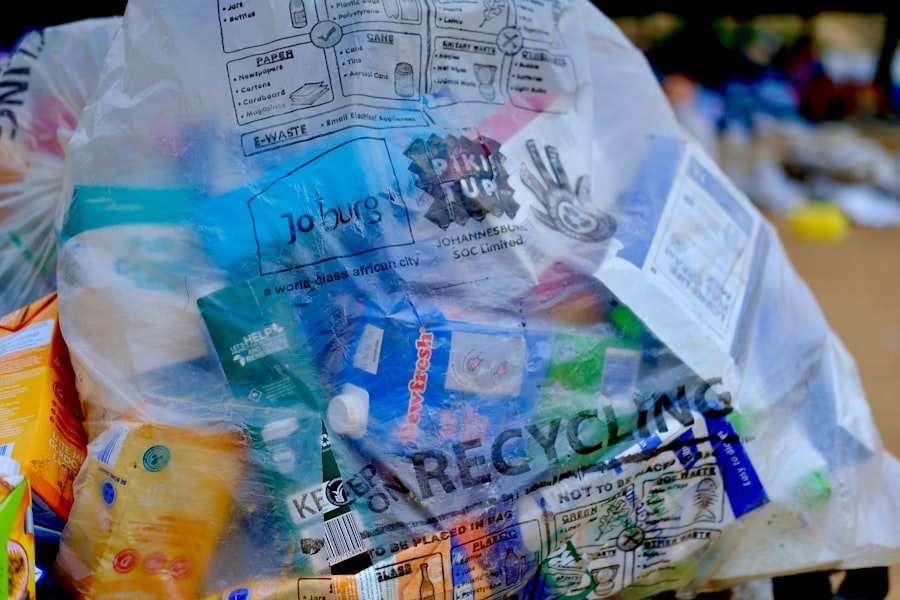
The shift towards a circular economy in tech manufacturing is being championed by a diverse range of actors, from established technology giants to innovative startups, supported by advancements in various technological fields.
Tech Giants Embracing Circularity
Many of the world’s leading technology companies are integrating circular economy principles into their operations. These efforts often involve significant investments in research and development, the establishment of take-back programs, and the redesign of their products and supply chains.
Product Take-Back and Recycling Initiatives
Companies are implementing robust programs to collect used products from consumers, facilitating their return for remarketing, refurbishment, or recycling. These initiatives are crucial for closing material loops.
Investments in Sustainable Materials and Design
Major tech firms are investing in the development and use of sustainable materials, such as recycled plastics and metals, and are actively redesigning products to be more modular and repairable.
Partnerships for Circularity
Collaborations between technology companies, recyclers, and material scientists are becoming commonplace, fostering synergistic approaches to tackling complex circularity challenges.
The Role of Startups and Innovators
A vibrant ecosystem of startups and innovative companies is emerging, focused on developing novel solutions for different aspects of the circular economy in tech. These agile entities often push the boundaries of what’s possible.
Advanced Recycling Technologies
Startups are developing cutting-edge technologies for recovering valuable materials from complex e-waste streams, often achieving higher purity and recovery rates than traditional methods.
Repair and Refurbishment Platforms
New platforms and services are emerging that connect consumers with certified repair technicians and provide refurbished electronics, making product longevity more accessible.
Digital Platforms for Asset Management
Digital solutions are being developed to track product lifecycles, manage inventory of refurbished components, and facilitate secondary markets for electronics, optimizing resource utilization.
Enabling Technologies for Circularity
Technological advancements are playing a critical role in enabling the widespread adoption of circular economy principles. These innovations are making circular practices more feasible, efficient, and scalable.
Artificial Intelligence (AI) and Machine Learning (ML)
AI and ML are being used to optimize sorting processes in recycling facilities, predict product failure for proactive maintenance, and identify opportunities for material recovery.
Internet of Things (IoT) for Product Tracking
IoT sensors can provide real-time data on product usage, performance, and condition, enabling timely maintenance, facilitating refurbishment, and informing end-of-life management strategies.
Blockchain for Traceability and Transparency
Blockchain technology can provide secure and transparent tracking of materials throughout their lifecycle, ensuring responsible sourcing, verifying recycled content, and building trust in circular supply chains.
Designing for Disassembly and Material Recovery

A core challenge and opportunity in circular tech manufacturing lies in the design of products, specifically for their end-of-life recovery. This requires a fundamental rethinking of how devices are constructed and the materials used.
Modular Design and Component Standardization
Creating products with distinct, easily separable modules is essential. This allows for individual components to be repaired, upgraded, or recycled without compromising the entire device. Standardization of these modules further simplifies the process.
Facilitating Upgrades and Repairs
If a specific component fails or becomes outdated, a modular design allows for its replacement without requiring an entirely new product. This directly counteracts the culture of disposability.
Simplifying Disassembly for Recycling
A product designed for disassembly allows for efficient separation of different materials, making it easier to recover valuable elements and preventing hazardous substances from entering the waste stream.
Material Innovation and Substitution
The choice of materials significantly impacts a product’s circularity. There is a growing focus on using recycled, bio-based, or easily recyclable materials, and reducing the reliance on rare or toxic substances.
Increased Use of Recycled Content
Incorporating a higher percentage of recycled plastics, metals, and other materials into new products directly reduces the demand for virgin resources.
Exploration of Biodegradable and Compostable Materials
While challenging for complex electronics, research into biodegradable materials for certain components or casings could offer end-of-life solutions.
Reducing Hazardous Substances
Phasing out or minimizing the use of toxic materials like lead, mercury, and certain flame retardants simplifies the recycling process and reduces environmental risks.
Advanced Recycling Techniques and Infrastructure
The effectiveness of material recovery hinges on sophisticated recycling technologies and adequate infrastructure. Traditional recycling methods often struggle with the complex composite materials found in electronics.
Automated Sorting and Identification
AI-powered systems are revolutionizing the sorting of e-waste, accurately identifying and separating different types of plastics, metals, and electronic components.
Chemical and Hydrometallurgical Recycling
These advanced processes enable the extraction of high-purity metals and rare earth elements from e-waste, reclaiming valuable resources that were previously lost.
Developing Reusable Component Libraries
Creating repositories of high-quality, refurbished components can accelerate repair processes and reduce the need for manufacturing new parts.
In exploring the transformative impact of the circular economy on tech manufacturing, one can gain further insights by reading a related article on social media content creation. This piece highlights how sustainable practices are increasingly influencing various industries, including technology. By understanding the principles of a circular economy, businesses can not only reduce waste but also enhance their brand image and customer engagement. For more information on this topic, you can check out the article on social media content creation.
Challenges and Opportunities for a Circular Future
| Metric | Value | Unit | Year | Notes |
|---|---|---|---|---|
| Percentage of Tech Manufacturers Adopting Circular Economy Practices | 45 | % | 2023 | Increase from 30% in 2020 |
| Reduction in Electronic Waste Due to Circular Initiatives | 20 | % | 2023 | Compared to 2019 baseline |
| Average Product Lifespan Extension | 2.5 | Years | 2023 | Due to modular design and repairability |
| Recycled Material Usage in Tech Manufacturing | 35 | % | 2023 | Up from 15% in 2018 |
| Energy Savings from Circular Manufacturing Processes | 18 | % | 2023 | Compared to traditional manufacturing |
| Number of Tech Companies with Circular Economy Certifications | 120 | Companies | 2023 | Global count |
| Consumer Awareness of Circular Economy in Tech | 60 | % | 2023 | Survey across major markets |
The transition to a circular economy in tech manufacturing, while promising, is not without its hurdles. However, overcoming these challenges presents significant opportunities for innovation, economic growth, and environmental stewardship.
Overcoming Impediments to Circularity
The path to a fully circular tech industry involves navigating a complex landscape of technical, economic, and behavioral obstacles. Addressing these impediments is key to unlocking the full potential of the circular economy.
Technical Complexity of E-Waste
The diverse and often intricate composition of electronic devices makes their disassembly and material recovery a technically challenging task.
Economic Viability and Scale
Establishing economically viable circular business models at scale requires significant investment in infrastructure, technology, and skilled labor. The cost of producing new products can sometimes still undercut the economic incentive for using recycled or refurbished materials.
Consumer Behavior and Awareness
Shifting consumer perceptions from ownership and disposability towards product longevity, repair, and service models requires extensive education and behavioral change.
Global Supply Chain Coordination
Implementing circular practices necessitates seamless coordination across global supply chains, involving manufacturers, suppliers, recyclers, and logistics providers.
The Role of Policy and Collaboration
Effective policy frameworks and multi-stakeholder collaboration are essential to accelerate the circular transition. These elements create the necessary incentives and infrastructure for systemic change.
International Cooperation and Standard Setting
Establishing global standards for product design, material labeling, and recycling processes can facilitate international trade in circular products and materials.
Public-Private Partnerships
Collaborations between governments and private sector entities can drive investment in circular infrastructure, support innovative startups, and develop pilot projects.
Education and Workforce Development
Investing in educational programs to train a skilled workforce in areas like repair, refurbishment, and advanced recycling is crucial for the success of the circular economy.
The Promise of a Sustainable Tech Ecosystem
The successful implementation of circular economy principles in tech manufacturing holds the promise of a more sustainable and resilient technology ecosystem. This vision involves not only environmental benefits but also long-term economic prosperity and social equity.
Reduced Environmental Footprint
A truly circular tech sector will significantly reduce greenhouse gas emissions, water consumption, and land use associated with resource extraction and waste generation.
Enhanced Resource Security
By relying on recycled and reused materials, the industry can mitigate its dependence on volatile global commodity markets and ensure a more stable supply of critical resources.
New Economic Opportunities and Job Creation
The circular economy fosters the growth of new industries and job roles related to repair, refurbishment, remanufacturing, and advanced recycling, creating economic opportunities and contributing to local economies.
A Shift Towards Value Over Volume
The transition encourages a move away from a production model focused on selling as many units as possible towards one that prioritizes the value and longevity of products, benefiting both consumers and the planet. The signals are clear; the rise of the circular economy in tech manufacturing is not a fleeting trend, but a fundamental reshaping of how we create and consume technology, paving the way for a more sustainable and prosperous future.