


Functional fitness is a term that has gained significant traction in recent years, and for good reason. It refers to exercises and training regimens designed to improve your ability to perform everyday activities with ease and efficiency. Unlike traditional workouts that may focus solely on aesthetics or isolated muscle groups, functional fitness emphasizes movements that mimic real-life tasks. This approach not only enhances your physical capabilities but also promotes overall well-being. As you delve into the world of functional fitness, you will discover how it can transform your life, making daily activities more manageable and enjoyable.
Incorporating functional fitness into your routine can lead to a more active lifestyle, regardless of your age or fitness level. Whether you are lifting groceries, climbing stairs, or playing with your grandchildren, functional fitness prepares your body for these movements. By focusing on strength, balance, flexibility, and endurance, you can enhance your physical performance and reduce the risk of injury. As you embark on this journey, you will find that functional fitness is not just a workout; it is a holistic approach to health that empowers you to live life to the fullest.
In the latest issue of the Strength and Vitality Journal, the article titled “Functional Fitness for Longevity and Mobility” explores the essential role of functional fitness in enhancing overall health and promoting longevity. For readers interested in further resources on this topic, a related article can be found at this link, which delves into various services and programs designed to improve mobility and strength for individuals of all ages.
The Importance of Strength and Mobility for Longevity
As you age, maintaining strength and mobility becomes increasingly vital for your overall health and longevity. Strength is essential for performing daily tasks, while mobility ensures that you can move freely and without pain. Together, these two components form the foundation of a healthy lifestyle. When you prioritize strength training and mobility exercises, you are not only enhancing your physical capabilities but also supporting your mental well-being. Research has shown that individuals who engage in regular strength training experience improved mood and cognitive function, which are crucial for maintaining a high quality of life as you age.
Moreover, the relationship between strength, mobility, and longevity cannot be overstated. As you grow older, muscle mass naturally declines, leading to decreased strength and increased risk of falls and injuries. By incorporating functional fitness into your routine, you can counteract this decline and promote better balance and coordination. This proactive approach not only helps you maintain independence but also reduces the likelihood of chronic conditions such as osteoporosis and arthritis. Ultimately, investing in your strength and mobility today will pay dividends in the years to come.
The Benefits of Functional Fitness for Aging Adults
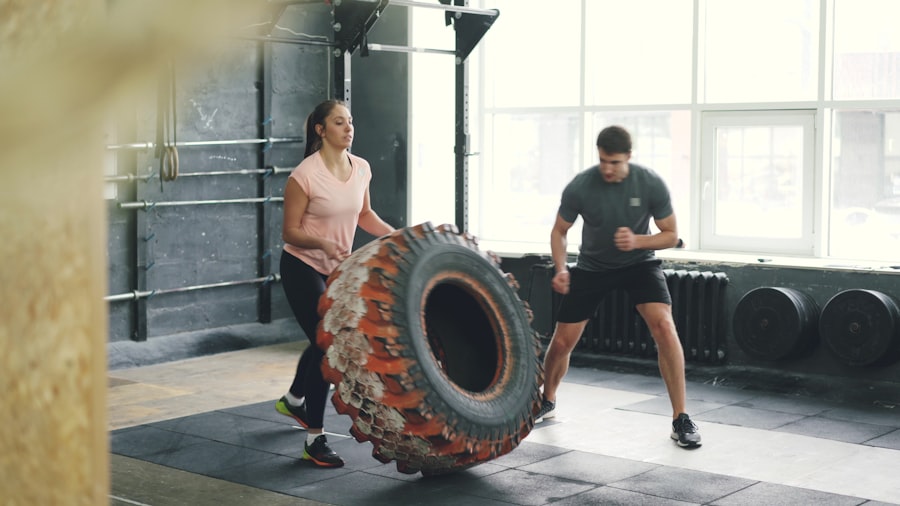
Functional fitness offers a myriad of benefits specifically tailored for aging adults. One of the most significant advantages is the enhancement of daily living activities. As you engage in functional exercises, you will notice improvements in your ability to perform tasks such as bending down to tie your shoes or reaching for items on high shelves. This newfound ease in movement can lead to increased confidence and a greater sense of independence.
Additionally, functional fitness promotes social interaction and community engagement. Many functional fitness programs are designed for group settings, allowing you to connect with others who share similar goals. This social aspect can combat feelings of isolation and loneliness that often accompany aging. By participating in group classes or community events focused on functional fitness, you not only improve your physical health but also foster meaningful relationships that enrich your life.
Key Components of a Strength and Vitality Journal

To maximize the benefits of functional fitness, keeping a strength and vitality journal can be incredibly helpful. This journal serves as a personal record of your progress, goals, and reflections on your fitness journey. One key component of this journal is tracking your workouts. By noting the exercises you perform, the weights you lift, and the duration of your sessions, you can identify patterns in your training and make necessary adjustments over time.
Another important aspect of your journal is setting specific goals. Whether you aim to increase your strength, improve your flexibility, or enhance your endurance, writing down these objectives can help keep you accountable. Additionally, reflecting on your experiences can provide valuable insights into what works best for you. By regularly reviewing your entries, you can celebrate your achievements and identify areas for improvement, ultimately guiding you toward a healthier lifestyle.
In the latest issue of the Strength and Vitality Journal, the article on Functional Fitness for Longevity and Mobility highlights the importance of maintaining physical health as we age. This topic resonates with readers who are eager to explore effective strategies for enhancing their overall well-being. For those interested in further insights on health and wellness, a related article can be found at this link, which delves into innovative approaches to fitness and lifestyle changes that promote vitality.
Sample Exercises for Improving Mobility and Stability
| Date | Exercise | Repetitions | Sets | Duration (minutes) |
|---|---|---|---|---|
| 2022-01-01 | Squats | 15 | 3 | 10 |
| 2022-01-02 | Push-ups | 20 | 3 | 15 |
| 2022-01-03 | Plank | 60 seconds | 3 | 5 |
Incorporating specific exercises into your routine can significantly enhance your mobility and stability. One effective exercise is the squat, which mimics the motion of sitting down and standing up—a fundamental movement in daily life. To perform a squat, stand with your feet shoulder-width apart and lower your body as if sitting back into a chair while keeping your chest up and knees aligned with your toes. This exercise strengthens the legs and core while improving balance.
Another beneficial exercise is the lunge, which targets multiple muscle groups while promoting stability. To execute a lunge, step forward with one leg while lowering your hips until both knees are bent at about a 90-degree angle. Ensure that your front knee does not extend past your toes. Lunges not only build strength in the legs but also enhance coordination and balance—key components for maintaining mobility as you age.
In exploring the themes of enhancing physical well-being, the article on digital art assets creation offers intriguing insights into how creativity can contribute to overall vitality. Engaging in activities that stimulate the mind, such as digital art, can complement a regimen of functional fitness aimed at promoting longevity and mobility. For those interested in broadening their understanding of how different pursuits can enhance strength and vitality, this related article can be found here.
Tips for Incorporating Functional Fitness into Daily Life
Integrating functional fitness into your daily routine doesn’t have to be daunting; small changes can make a significant impact. One effective strategy is to incorporate movement into everyday tasks. For instance, when doing household chores like vacuuming or gardening, focus on using proper form and engaging your core muscles. This approach not only makes these activities more effective but also turns them into opportunities for exercise.
Another tip is to schedule regular physical activity into your week. Treat these sessions as appointments that cannot be missed. Whether it’s a brisk walk around the neighborhood or a group class at the local gym, consistency is key to reaping the benefits of functional fitness. Additionally, consider finding a workout buddy to help keep each other motivated and accountable. Having someone to share this journey with can make exercising more enjoyable and less intimidating.
The Role of Nutrition in Supporting Strength and Vitality
While exercise is crucial for maintaining strength and vitality, nutrition plays an equally important role in supporting your fitness journey. A balanced diet rich in whole foods—such as fruits, vegetables, lean proteins, whole grains, and healthy fats—provides the essential nutrients needed for optimal performance and recovery. As you engage in functional fitness training, ensuring adequate protein intake is particularly important for muscle repair and growth.
Hydration is another critical aspect of nutrition that should not be overlooked. Staying well-hydrated helps maintain energy levels during workouts and supports overall bodily functions. Aim to drink plenty of water throughout the day, especially before, during, and after exercise sessions. By prioritizing nutrition alongside functional fitness training, you will create a solid foundation for achieving your health goals.
How to Track Progress and Set Goals in Your Strength and Vitality Journal
Tracking progress is essential for staying motivated on your functional fitness journey. In your strength and vitality journal, consider creating sections dedicated to specific goals—such as increasing the number of repetitions or improving flexibility in certain stretches. Regularly updating these sections will allow you to see how far you’ve come over time.
Setting SMART goals—Specific, Measurable, Achievable, Relevant, and Time-bound—can further enhance your progress tracking efforts. For example, instead of simply stating that you want to “get stronger,” specify that you aim to increase your squat weight by 10 pounds within three months. This clarity will help keep you focused and motivated as you work toward achieving tangible results.
Common Mistakes to Avoid in Functional Fitness Training
As with any fitness regimen, there are common pitfalls to avoid when engaging in functional fitness training. One frequent mistake is neglecting proper form during exercises. Prioritizing form over quantity is crucial for preventing injuries and ensuring that you’re effectively targeting the right muscle groups. If you’re unsure about your technique, consider seeking guidance from a qualified trainer or participating in group classes where instructors can provide feedback.
Another mistake is failing to listen to your body’s signals. While pushing yourself is important for growth, ignoring signs of fatigue or discomfort can lead to overtraining or injury. It’s essential to strike a balance between challenging yourself and allowing adequate recovery time. By being mindful of how your body feels during workouts, you’ll be better equipped to make informed decisions about when to push harder or take a step back.
Testimonials from Individuals Who Have Improved Their Longevity and Mobility Through Functional Fitness
Hearing from others who have experienced the benefits of functional fitness can be incredibly inspiring. Take Sarah, for example—a 68-year-old grandmother who struggled with mobility issues due to arthritis. After incorporating functional fitness into her routine, she noticed significant improvements in her ability to perform daily tasks without pain or discomfort. Sarah now enjoys playing with her grandchildren at the park and feels more confident in her movements than ever before.
Similarly, John—a retired teacher in his early 70s—found that functional fitness helped him regain his independence after undergoing hip surgery. Through targeted exercises focused on strength and stability, he was able to rebuild his confidence in walking without assistance. John now participates in community fitness classes where he connects with others who share his passion for staying active as they age.
Embracing Functional Fitness for a Healthier, More Active Lifestyle
In conclusion, embracing functional fitness is a powerful step toward achieving a healthier and more active lifestyle as you age. By prioritizing strength and mobility through targeted exercises, maintaining proper nutrition, and tracking progress in a dedicated journal, you can significantly enhance your quality of life. The benefits extend beyond physical capabilities; they encompass mental well-being and social connections that enrich your daily experiences.
As you embark on this journey toward improved longevity and vitality, remember that every small step counts. Whether it’s incorporating movement into daily tasks or setting achievable goals in your strength journal, each effort contributes to a more fulfilling life. By committing to functional fitness today, you are investing in a brighter future filled with energy, independence, and joy.