

The Strength and Vitality Journal: Functional Strength Training for Longevity is a comprehensive program designed to promote physical resilience and sustained functional capacity throughout an individual’s lifespan. It emphasizes a structured approach to strength development, focusing on movements that mimic daily activities and enhance overall bodily efficiency. This journal serves as both a guide and a recording tool, facilitating consistent engagement with a progressive training regimen.
The core tenet of the Strength and Vitality Journal is that functional strength training acts as a preventative and restorative measure against age-related physical decline. It posits that a robust muscular system, coupled with adequate mobility and balance, is fundamental for maintaining independence and quality of life as one ages. The program moves beyond aesthetic goals, aiming instead for practical, transferable strength. Think of your body not as a sculpture, but as a finely tuned machine; this journal provides the maintenance schedule.
Functional Movement Principles
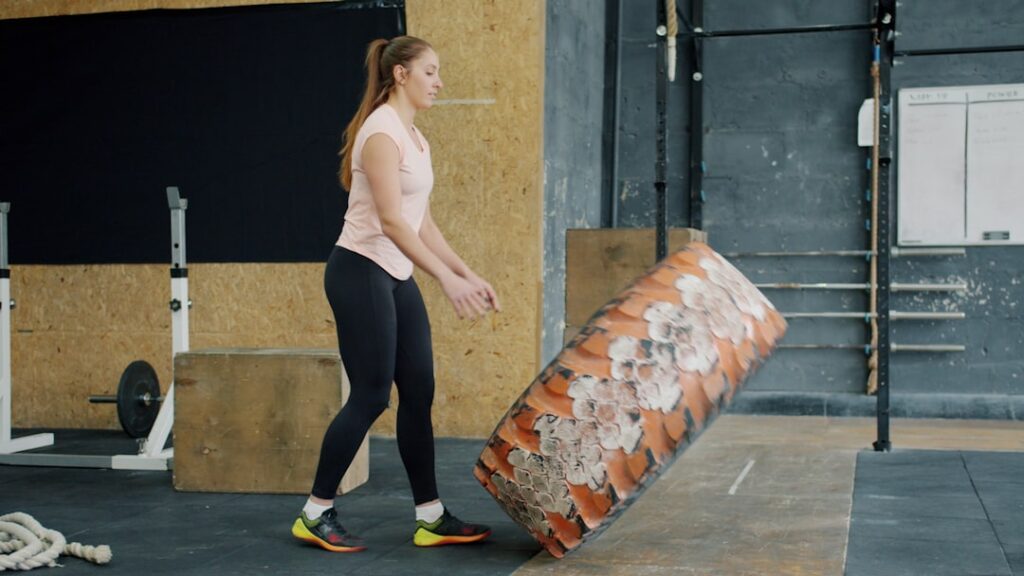
Functional movements are multi-joint exercises that work several muscle groups simultaneously. They involve motions similar to those performed in everyday life, such as lifting, pushing, pulling, squatting, hinging, and carrying. The journal prioritizes these movements over isolation exercises, recognizing their superior efficacy in building practical strength and improving neuromuscular coordination. For instance, a deadlift, a foundational exercise in the program, is not merely about lifting a barbell; it’s about learning to safely and efficiently pick up an object from the floor, a common and necessary action.
Longevity-Oriented Training
The concept of “longevity” within the program extends beyond merely living a long life. It encompasses living a life with sustained physical capabilities, freedom from chronic pain stemming from muscular weakness, and reduced risk of injury. This approach entails focusing on compound movements, progressive overload, and adequate recovery, all tailored to support long-term physical health. Your physical health is an investment; this journal helps you build a diverse and resilient portfolio.
Adaptability and Progression
The journal acknowledges that individuals possess varying starting points and progress at different rates. Its structured format allows for individualized adaptation, providing guidelines for scaling exercises up or down based on current fitness levels. This adaptability ensures that the program remains challenging yet achievable, preventing stagnation and reducing the likelihood of injury. It’s a roadmap, not a rigid set of tracks, allowing for detours and adjustments as needed.
For those interested in enhancing their fitness journey, the article titled “Functional Strength Training for Longevity” in the Strength and Vitality Journal offers valuable insights into how targeted exercises can improve overall health and extend lifespan. To further explore related topics and resources on fitness and wellness, you can visit this comprehensive list of articles at by Williams, which provides a wealth of information to support your health goals.
Key Components of the Journal
The Strength and Vitality Journal is structured to guide participants through a systematic training process, providing tools for both execution and self-assessment. Its sections are designed to be interactive and informative, prompting reflection and encouraging adherence.
Exercise Library and Demonstrations
A significant portion of the journal is dedicated to an extensive exercise library. This section includes detailed descriptions and, in some formats, visual representations of each recommended exercise. Focus is placed on proper form and technique, recognizing that incorrect execution can negate benefits and increase injury risk. For each exercise, variations are presented to accommodate different strength levels and to progressively increase difficulty as the individual gains proficiency. This library acts as your personal coach, demonstrating the right way to move.
Training Log and Performance Tracking
Central to the journal’s utility is its comprehensive training log. This section allows individuals to record details of each workout session, including exercises performed, sets, repetitions, weight used, and perceived exertion. Consistent tracking enables objective assessment of progress, identification of plateaus, and informed adjustments to the training plan. It serves as a historical record of your efforts, a testament to your dedication and a guide for future improvements.
Nutritional Guidelines for Support
Recognizing that physical training is only one pillar of overall health, the journal incorporates general nutritional guidelines. These recommendations focus on providing adequate macronutrients (protein, carbohydrates, fats) and micronutrients to support muscle growth, recovery, and energy levels. While not a prescriptive diet plan, it emphasizes whole, unprocessed foods and hydration. Consider nutrition as the fuel for your well-oiled machine; the journal provides the recommended specifications.
Recovery and Mobility Protocols
The program stresses the importance of recovery and mobility as integral components of a holistic fitness regimen. It includes sections on foam rolling, stretching, and active recovery techniques, highlighting their role in preventing muscle imbalances, improving range of motion, and accelerating tissue repair. Adequate sleep and stress management are also discussed as crucial elements for optimal performance and long-term health. Recovery is not merely rest; it’s active restoration, rebuilding the foundations for your next effort.
Implementing the Program: A Practical Guide

Successful implementation of the Strength and Vitality Journal requires consistent effort and a structured approach. The journal walks you through the practical steps of integrating functional strength training into your routine.
Setting Realistic Goals
Before commencing any training program, establishing clear and attainable goals is paramount. The journal encourages users to define both short-term milestones (e.g., increased repetitions for a specific exercise) and long-term objectives (e.g., improved ability to carry groceries without strain). These goals should be specific, measurable, achievable, relevant, and time-bound (SMART). Clarity in your destination is vital before embarking on any journey; the journal helps you chart that course.
Structuring Your Training Week
The journal provides sample workout splits and guidance on structuring a training week to ensure adequate stimulus and recovery. It recommends a frequency of 2-4 strength training sessions per week, with rest days interspersed to allow for muscle repair and growth. The program emphasizes progressive overload – gradually increasing the demands placed on the body – as the primary driver of strength gains. This progressive challenge is the anvil upon which your strength is forged.
Mastering Form Over Weight
A fundamental principle reiterated throughout the journal is the primacy of proper form over lifting heavy weights. Incorrect technique dramatically increases the risk of injury and reduces the effectiveness of the exercise. The journal encourages users to prioritize mastering the movement pattern with lighter loads before gradually increasing resistance. Your body is a complex instrument; learning to play it correctly prevents damage and produces optimal results.
Utilizing the Self-Assessment Tools
The journal integrates various self-assessment tools to help individuals monitor their progress and make informed adjustments. These include subjective measures like perceived exertion scales (RPE) and objective measures like strength tests or body composition tracking. Regular self-assessment fosters self-awareness and helps in tailoring the program to individual needs and responses. These tools serve as your compass, guiding you through the terrain of your physical development.
Scientific Basis and Evidence
The recommendations within the Strength and Vitality Journal are rooted in established scientific principles of exercise physiology, biomechanics, and gerontology. The program draws from research demonstrating the benefits of strength training for various populations, particularly older adults.
Sarcopenia and Bone Density
Functional strength training is a well-documented intervention against sarcopenia, the age-related loss of muscle mass and strength. The journal’s emphasis on resistance exercises stimulates muscle protein synthesis, helping to preserve and build lean muscle tissue. Furthermore, the mechanical stress placed on bones during strength training promotes bone remodeling and increased bone mineral density, offering protection against osteoporosis and fractures. Consider your muscles as the pillars of your body; this program strengthens them against erosion.
Metabolic Health and Cardiovascular Benefits
Regular resistance exercise has been shown to improve insulin sensitivity, regulate blood sugar levels, and enhance resting metabolic rate. These metabolic adaptations contribute to better weight management and reduced risk of chronic diseases such as Type 2 diabetes. While not primarily a cardiovascular program, functional strength training, especially when performed with adequate intensity and short rest periods, can also contribute to improved cardiovascular fitness. It is a multi-faceted tool for enhancing your internal systems.
Cognitive Function and Mental Well-being
Emerging research suggests a link between physical activity, particularly strength training, and improved cognitive function. The journal acknowledges these broader benefits, recognizing that a physically active lifestyle can contribute to enhanced mood, reduced symptoms of anxiety and depression, and improved sleep quality. An active body often leads to a more active mind; the connection is undeniable and mutually reinforcing.
Injury Prevention and Rehabilitation Support
By strengthening muscles, improving balance, and enhancing proprioception (the body’s sense of its position in space), functional strength training plays a crucial role in injury prevention. Moreover, for individuals recovering from injuries, the principles outlined in the journal provide a framework for safe and progressive rehabilitation, albeit under professional guidance when necessary. It builds a buffer zone around your body, reducing the likelihood of unexpected impact.
In exploring the benefits of functional strength training for longevity, readers may find it insightful to consider the strategies outlined in a related article on content marketing. This piece emphasizes the importance of creating engaging and informative content that resonates with audiences, much like how functional strength training resonates with those seeking to enhance their overall well-being. For more details on effective content strategies, you can read the article here.
Considerations and Cautions
| Metric | Description | Value | Unit |
|---|---|---|---|
| Training Frequency | Number of strength training sessions per week | 3-4 | sessions/week |
| Average Session Duration | Length of each functional strength training session | 45-60 | minutes |
| Target Heart Rate Zone | Optimal heart rate range during training for vitality | 60-75 | % of max HR |
| Progressive Overload | Weekly increase in training intensity or volume | 5-10 | % per week |
| Functional Movement Score | Assessment of movement quality and mobility | 85 | out of 100 |
| Muscle Endurance Improvement | Increase in reps or duration of strength exercises over 12 weeks | 20 | % increase |
| Rest and Recovery | Recommended rest days per week for optimal recovery | 2-3 | days/week |
| Longevity Impact | Estimated increase in healthy lifespan with consistent training | 5-7 | years |
While the Strength and Vitality Journal offers a robust framework for improving physical health, it is important to approach any new exercise program with prudence.
Consulting a Healthcare Professional
Before embarking on any new exercise regimen, especially if you have pre-existing medical conditions, it is crucial to consult with a healthcare professional. They can provide personalized advice and ensure that the program is appropriate for your individual health status. This is not a substitute for medical advice; it is a complementary tool under professional guidance.
Listening to Your Body
The journal consistently advocates for listening to one’s body and distinguishing between muscle fatigue and pain. Pushing through pain can lead to injury and setbacks. The program encourages modifying exercises or taking rest days as needed, prioritizing long-term adherence over short-term performance. Your body communicates with you; learn its language of discomfort and cease or modify the activity accordingly.
Consistency Over Intensity
While intensity is a component of progressive overload, consistency is arguably more critical for long-term success. The Strength and Vitality Journal promotes developing sustainable habits that can be maintained over weeks, months, and years, rather than unsustainable bursts of extreme effort. Regular deposits, even small ones, yield a greater return in the bank of your health than sporadic, large infusions.
In conclusion, the Strength and Vitality Journal: Functional Strength Training for Longevity provides a structured, evidence-based approach to building and maintaining physical strength and vitality. By focusing on functional movements, progressive overload, and holistic well-being, it aims to empower individuals to proactively manage their physical health, ensuring a sustained capacity for an active and independent life. It is not a quick fix, but a deliberate journey towards enduring physical resilience.