

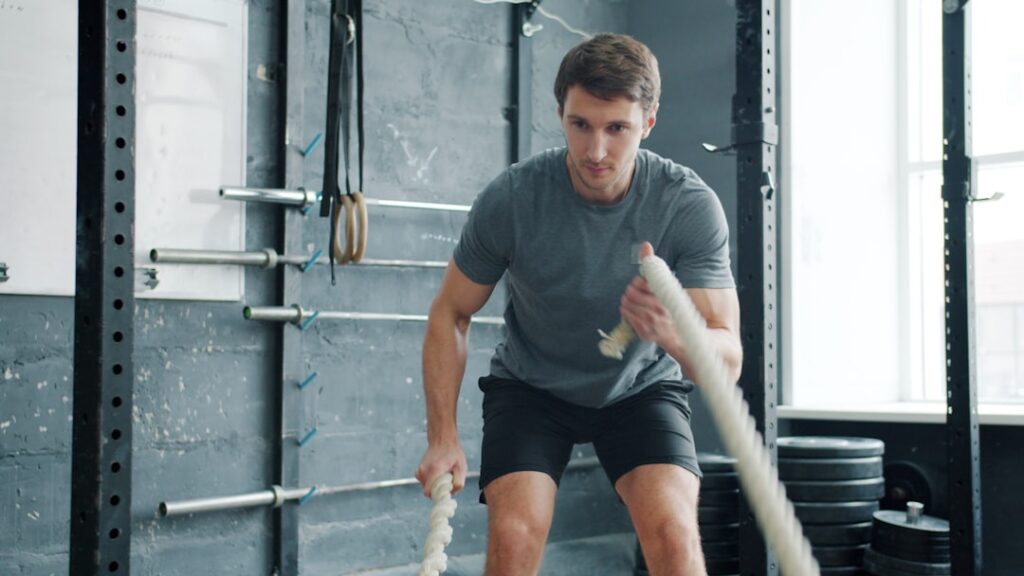
The Strength and Vitality Journal: Functional Training for Longevity and Mobility is a publication focused on the application of functional training principles for improving long-term health and physical capability. It serves as a platform for disseminating research, practical advice, and expert insights related to various aspects of functional fitness, with a particular emphasis on its role in promoting longevity and maintaining mobility. The journal’s scope extends to an interdisciplinary examination of the factors contributing to a resilient and active life, drawing from fields such as exercise physiology, biomechanics, nutrition, and gerontology.
Functional training is a framework of exercise designed to improve the ability to perform everyday activities. Rather than isolating individual muscles, it emphasizes movements that mimic common tasks, such as lifting, carrying, pushing, and pulling. The goal is to build integrated strength and coordination, preparing the body for the physical demands of daily life. This approach recognizes that the body functions as a whole system, and exercises should reflect this interconnectedness.
The Core Principles of Functional Movement
At its heart, functional training is built upon several key principles. These include:
Multi-joint Movements:
Exercises engage multiple joints and muscle groups simultaneously, mirroring natural human motion. This contrasts with traditional isolation exercises that target a single muscle or joint. Examples include squats, lunges, and presses, which involve the coordinated action of various limbs and the core. This approach builds a more robust and adaptable musculoskeletal system.
Core Engagement:
The core muscles, encompassing the abdomen, back, and pelvis, are central to almost all functional movements. They act as a stable base from which the limbs can exert force effectively. Training the core for stability and power is therefore a fundamental component of functional fitness, enabling better balance and reducing the risk of injury.
Balance and Stability:
Functional training often incorporates exercises that challenge balance and proprioception (the body’s awareness of its position in space). This can involve unstable surfaces or movements that require constant adjustments to maintain equilibrium. Developing these abilities is crucial for preventing falls, particularly as individuals age.
Progressive Overload and Specificity:
Like other training methodologies, functional training adheres to the principles of progressive overload, meaning the demands placed on the body must gradually increase to stimulate adaptation. Specificity dictates that training should be relevant to the desired outcome. For functional training, this means movements should be transferable to real-world activities.
Differentiating Functional Training from Traditional Strength Training
While traditional strength training often focuses on hypertrophy (muscle growth) and maximum strength in specific muscle groups, functional training prioritizes movement efficiency and the ability to transfer strength to practical tasks. A bodybuilder might develop immense pectoral muscles, but a functional trainee would develop the pressing strength and core stability to, for example, lift a heavy box overhead or push a stalled car. The former is focused on aesthetics and peak muscular development, while the latter is centered on performance and utility.
In the latest issue of the Strength and Vitality Journal, the article “Functional Training for Longevity and Mobility” explores the essential role of functional exercises in enhancing overall health and extending lifespan. For those interested in further reading on related topics, you may find valuable insights in this article on warranty requests and their implications for fitness equipment, which can be accessed here: Warranty Request Insights.
Functional Training for Longevity
Longevity, in the context of functional training, refers not merely to extending lifespan but to enhancing the quality of life throughout an extended period. Functional training aims to equip individuals with the physical capacity to remain independent, active, and engaged in their communities as they age. This involves mitigating the effects of sarcopenia (age-related muscle loss), maintaining bone density, and preserving cognitive function through physical activity.
Combating Age-Related Decline
The aging process is often accompanied by a decline in muscle mass and strength, reduced bone density, and impaired balance. These physiological changes can lead to increased frailty, a higher risk of falls, and a diminished capacity for independent living. Functional training directly addresses these issues by:
Preserving Muscle Mass and Strength:
Resistance training, a cornerstone of functional training, stimulates muscle protein synthesis, helping to counteract sarcopenia. By engaging major muscle groups in compound movements, individuals can maintain or even increase their strength, which is vital for everyday tasks like climbing stairs, carrying groceries, and getting out of a chair.
Enhancing Bone Health:
Weight-bearing exercises, which are inherent to many functional movements, place stress on the bones. This stress signals the bones to become denser and stronger, thereby reducing the risk of osteoporosis and fractures. Activities like squats, lunges, and even jumping (when performed with proper technique) contribute to bone health.
Improving Balance and Proprioception:
As individuals age, their balance can deteriorate, increasing the risk of falls. Functional training exercises that challenge stability, such as single-leg stances, walking lunges, and incorporating unstable surfaces, help to improve neuromuscular control and proprioception. This makes the body more resilient to unexpected movements and reduces the likelihood of tripping or falling.
The Role of Functional Training in Preventing Chronic Diseases
Beyond directly combating age-related physical decline, functional training can play a significant role in the prevention and management of various chronic diseases. Regular physical activity, particularly resistance training, can improve insulin sensitivity, lower blood pressure, and reduce inflammation, all of which are critical for preventing or mitigating conditions such as type 2 diabetes, cardiovascular disease, and metabolic syndrome.
Cardiovascular Health:
While often associated with aerobic exercise, functional training also contributes to cardiovascular health. The compound movements and often higher intensity of functional workouts can elevate heart rate and improve circulation. Furthermore, increased muscle mass from resistance training can enhance the body’s metabolic rate, aiding in weight management, a key factor in cardiovascular health.
Metabolic Health:
Functional training, especially when it incorporates movements that recruit large muscle groups, can improve glucose uptake and utilization by the muscles. This enhanced metabolic efficiency helps to regulate blood sugar levels, reducing the risk of type 2 diabetes and improving the management of existing diabetes.
Maintaining Cognitive Function Through Movement
The connection between physical activity and cognitive health is increasingly recognized. Engaging in challenging and varied physical activities, as functional training often is, can stimulate the brain, promote neurogenesis (the creation of new neurons), and improve blood flow to the brain. This can contribute to better memory, sharper focus, and a reduced risk of cognitive decline.
Functional Training for Enhanced Mobility
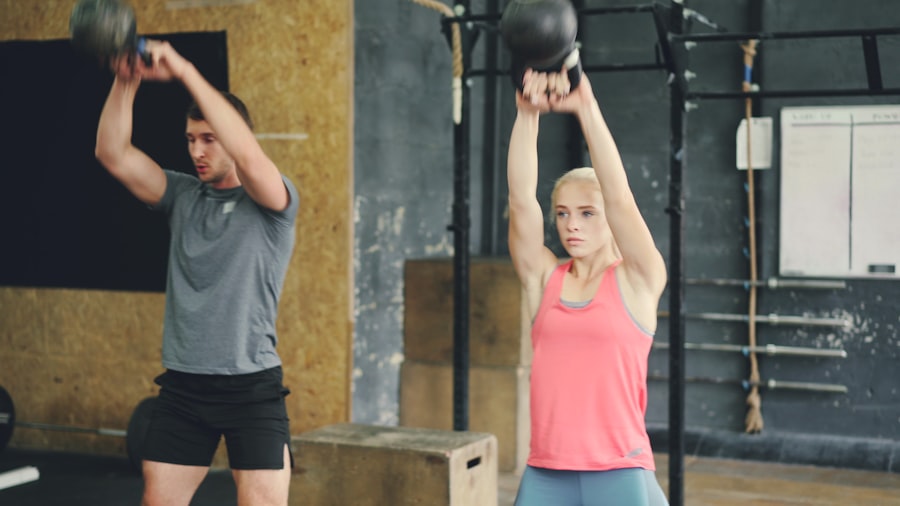
Mobility refers to the ability to move freely and without restriction. It encompasses flexibility, range of motion, and the capacity to perform complex movements with ease. Functional training directly enhances mobility by improving joint health, muscle length, and motor control.
Improving Joint Health and Range of Motion
Joints are critical for movement, and their health is directly related to the surrounding muscles and connective tissues. Functional training addresses joint health in several ways:
Dynamic Warm-ups:
Before engaging in strenuous activity, functional training protocols often advocate for dynamic warm-ups. These involve controlled, fluid movements that take joints through their full range of motion, preparing them for exercise and reducing the risk of injury. Examples include arm circles, leg swings, and torso twists.
Full Range of Motion Exercises:
Many functional exercises, such as deep squats or kettlebell swings, naturally encourage the body to move through a significant range of motion. This consistent use of joints in their complete range helps to maintain flexibility and prevent stiffness.
Strengthening Supporting Muscles:
For each joint, there are opposing muscle groups that control its movement. Functional training strengthens these opposing groups, which helps to create a balanced and stable joint. This balance is essential for smooth, controlled movement and prevents compensatory patterns that can lead to stiffness or pain.
Enhancing Flexibility and Reducing Stiffness
While often distinct from flexibility, improved mobility necessitates a degree of suppleness. Functional training can contribute to this by:
Promoting Muscle Elongation:
Although not directly stretching, many functional movements require muscles to lengthen under load. For instance, the eccentric (lowering) phase of a squat or lunge involves muscles lengthening while contracting, which can contribute to improved muscle length and reduced tightness over time.
Integrating Flexibility into Movement Patterns:
Instead of isolated stretching, functional training often integrates flexibility requirements into the movement itself. For example, a deep squat requires hip flexion and ankle dorsiflexion, and the practice of achieving this depth repeatedly can improve mobility in those joints.
Developing Coordinated and Fluid Movements
True mobility is not just about individual joint movement but about the ability to string these movements together into fluid, coordinated actions. Functional training cultivates this by:
Emphasizing Neuromuscular Control:
Functional exercises often require the brain and muscles to communicate efficiently to produce smooth, controlled movements. This enhanced neuromuscular control translates to greater agility and grace in everyday actions.
Practicing Complex Movement Sequences:
Many functional training programs involve exercises that are essentially sequences of movements. For example, a Turkish Get-Up involves transitioning from a lying position to standing and back down again, requiring coordination, balance, and strength throughout the entire sequence. This trains the body to integrate multiple motor patterns.
Practical Applications of Functional Training for Daily Life
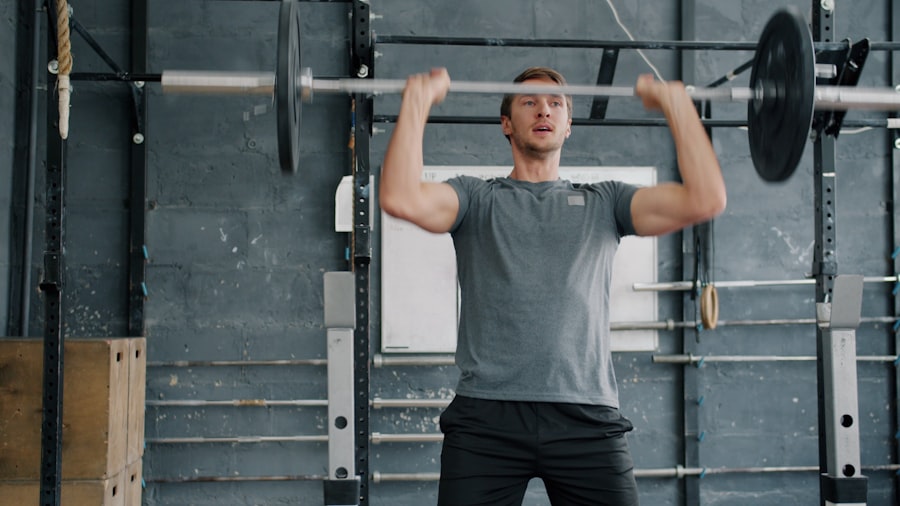
The ultimate test of functional training lies in its translation to improved performance in everyday tasks. From navigating the environment to engaging in recreational activities, a strong and mobile body makes life more manageable and enjoyable.
Enhancing Everyday Activities
The inherent design of functional training makes it exceptionally relevant to a wide array of daily activities:
Simple Movements Made Easier:
Tasks such as bending down to pick up dropped objects, reaching for items on high shelves, or carrying heavy shopping bags become less taxing. The strengthening of the posterior chain (hamstrings, glutes, lower back) through exercises like deadlifts and kettlebell swings directly translates to easier bending and lifting.
Improved Posture and Reduced Discomfort:
By strengthening the core and improving the relationship between the spine, hips, and shoulders, functional training can lead to better posture. This, in turn, can alleviate common issues such as lower back pain and neck strain, which often stem from prolonged sitting or poor movement habits.
Increased Stamina for Physical Tasks:
Engaging in functional movements that mimic daily exertion, such as carrying loads or navigating varied terrain, builds a type of stamina that is directly applicable to life outside the gym. This means less fatigue and more capacity for sustained physical effort.
Sports and Recreational Pursuits
Beyond the mundane, functional training provides a robust foundation for excelling in various sports and recreational activities. The principles of coordinated movement, core stability, and power generation are universally beneficial.
Injury Prevention in Sports:
Many sports injuries occur when the body is subjected to unexpected forces or movements for which it is not adequately prepared. Functional training, by building a resilient and well-coordinated physique, helps athletes to absorb impact, react quickly, and maintain structural integrity, thereby reducing the risk of sprains, strains, and tears.
Enhanced Performance Across Disciplines:
Whether it’s the explosive power needed for a tennis serve, the endurance for a hiking trip, or the agility for a pickup basketball game, functional training provides the transferable skills. It builds the engine and the chassis for a wide range of physical endeavors. For instance, exercises that mimic the rotational forces of a golf swing can improve power and reduce the risk of back injury.
The Psychological Benefits of Physical Competence
The impact of functional training extends beyond the purely physical realm, fostering significant psychological benefits. A body that is capable and resilient contributes to a sense of empowerment and well-being.
Increased Confidence and Self-Efficacy:
As individuals witness improvements in their physical capabilities, their confidence and belief in their ability to handle physical challenges grow. This sense of self-efficacy can spill over into other areas of life, fostering a more proactive and positive outlook.
Reduced Stress and Improved Mood:
Like all forms of regular exercise, functional training is a potent stress reliever. The endorphin release associated with physical exertion can improve mood, reduce anxiety, and contribute to a greater sense of overall well-being. The cognitive benefits mentioned earlier also play a role in mental resilience.
In exploring the themes of enhancing physical well-being, the Strength and Vitality Journal offers valuable insights on functional training for longevity and mobility. For those interested in further expanding their knowledge on related topics, an intriguing article on children’s book creation can be found here, which highlights the importance of fostering creativity and movement in young minds. This connection underscores the significance of nurturing both physical and cognitive development for a healthier future.
The Strength and Vitality Journal as a Resource
| Metric | Description | Value / Range | Unit | Notes |
|---|---|---|---|---|
| Training Frequency | Number of functional training sessions per week | 3-5 | sessions/week | Recommended for optimal longevity and mobility |
| Session Duration | Length of each training session | 45-60 | minutes | Includes warm-up and cool-down |
| Mobility Improvement | Increase in joint range of motion after 8 weeks | 15-25 | percent | Measured via goniometer |
| Strength Gain | Increase in functional strength (e.g., squats, push-ups) | 20-30 | percent | After 12 weeks of consistent training |
| Balance Improvement | Improvement in single-leg stance time | 10-15 | seconds | Measured after 6 weeks |
| Flexibility Increase | Improvement in hamstring flexibility | 3-5 | cm | Measured by sit-and-reach test |
| Functional Movement Score | Composite score assessing mobility and strength | 75-90 | points | Out of 100 after 3 months |
| Resting Heart Rate | Average resting heart rate improvement | 5-8 | bpm | Reduction after 12 weeks |
The Strength and Vitality Journal: Functional Training for Longevity and Mobility positions itself as a valuable resource for a diverse audience seeking to understand and implement functional training principles for improved health and longevity. Its contributions are aimed at both practitioners and those seeking to learn.
Target Audience and Content Scope
The journal aims to attract a wide readership, including:
Fitness Professionals:
Personal trainers, strength coaches, physiotherapists, and other allied health professionals can find evidence-based research and practical application strategies to inform their coaching practices. This includes understanding the latest scientific findings on exercise physiology and biomechanics relevant to functional movement.
Enthusiasts and the General Public:
Individuals interested in improving their own health and fitness, particularly those concerned with aging gracefully and maintaining an active lifestyle, can benefit from the accessible explanations of functional training concepts and the practical advice provided. The journal aims to demystify these concepts and make them actionable.
Researchers and Academics:
The journal provides a platform for the publication of original research, systematic reviews, and meta-analyses that contribute to the scientific understanding of functional training, its mechanisms of action, and its long-term effects on health and performance. This ensures a continuous evolution of knowledge in the field.
Contributions to the Field of Health and Fitness
The journal plays a crucial role in advancing the understanding and practice of functional training:
Bridging the Gap Between Research and Practice:
By publishing peer-reviewed articles, the journal ensures that rigorous scientific findings are translated into practical, actionable insights for trainers and individuals alike. This helps to move the field forward based on solid evidence, rather than anecdotal claims.
Promoting a Holistic Approach to Health:
The journal’s interdisciplinary nature encourages a broader perspective on health and well-being, recognizing that physical function is deeply intertwined with nutrition, mental health, and lifestyle factors. It advocates for a comprehensive approach to achieving vitality.
Contributing to Evidence-Based Practice:
Through its commitment to publishing high-quality, evidence-based research, the Strength and Vitality Journal contributes to the growing body of literature supporting the efficacy of functional training for improving healthspan, functional capacity, and overall quality of life. This helps to solidify functional training as a scientifically validated approach to health.