

Heart Rate Variability and Stress Management: A Practical Guide
This guide delves into the practical application of Heart Rate Variability (HRV) for managing stress. It serves as a resource for understanding HRV, its connection to stress, and how to utilize it as a tool for well-being. The information presented aims to provide readers with a foundational knowledge base to support their self-care efforts.
Heart Rate Variability, often abbreviated as HRV, is a physiological measurement that reflects the variation in time between consecutive heartbeats. While it may seem counterintuitive, a higher degree of variability is generally indicative of a more resilient and adaptable nervous system. This variability is not a sign of an irregular heartbeat, but rather a sophisticated interplay between the sympathetic and parasympathetic branches of the autonomic nervous system (ANS). The ANS acts as the body’s internal command center, automatically regulating essential functions like breathing, digestion, and heart rate, largely without conscious thought. Think of the ANS as the conductor of an orchestra, with the sympathetic system as the section that ramps up the tempo for action (the “fight or flight” response), and the parasympathetic system as the section that brings it back to a slower, more relaxed rhythm (the “rest and digest” response).
The Autonomic Nervous System: A Two-Part Regulator
The autonomic nervous system is broadly divided into two main branches:
- The Sympathetic Nervous System (SNS): This branch is activated during times of perceived threat or stress. It triggers a cascade of physiological changes designed to prepare the body for action. This includes increasing heart rate, diverting blood flow to muscles, releasing adrenaline and cortisol, and suppressing non-essential functions like digestion. In essence, the SNS puts the body in a state of heightened alert.
- The Parasympathetic Nervous System (PNS): This branch, often referred to as the “rest and digest” system, is dominant during periods of calm and recovery. It works to conserve energy, slow heart rate, promote digestion, and facilitate relaxation. A well-functioning PNS signifies the body’s ability to return to a balanced state after a stressful event.
The Sympathetic-Vagal Balance: A Measure of Adaptability
The interplay between the SNS and PNS is crucial for maintaining homeostasis, the body’s ability to maintain a stable internal environment. HRV serves as a non-invasive metric to assess this balance. When the SNS is highly active, such as during acute stress, heart rate increases, and the variability between beats diminishes. Conversely, during relaxation, the PNS becomes more prominent, leading to a slower heart rate and increased HRV. This fluctuation is not random; it represents the nervous system’s capacity to respond to internal and external stimuli and adapt accordingly. A more flexible nervous system, indicated by higher HRV, suggests a greater ability to navigate challenges without becoming chronically overwhelmed.
In exploring the intricate relationship between heart rate variability and stress management, readers may find the article titled “The Impact of Mindfulness on Heart Rate Variability” particularly enlightening. This piece delves into how mindfulness practices can enhance heart rate variability, thereby contributing to improved stress management and overall vitality. For more insights on this topic, you can check out the article here: The Impact of Mindfulness on Heart Rate Variability.
The Connection Between HRV and Stress
The inverse relationship between stress and HRV is a well-established physiological principle. When you encounter stress, whether it’s a demanding work project, an argument with a loved one, or even a physically taxing workout, your body’s stress response system is activated. This activation primarily involves the sympathetic nervous system. As the SNS becomes dominant, it signals the heart to beat more rapidly, and this rapid beating leaves less “room” for the natural variations in timing between heartbeats. Imagine a drummer playing a steady, fast beat versus one who can incorporate pauses and subtle variations; the latter demonstrates more adaptability and control. Similarly, a lower HRV at a given moment can suggest that your body is operating in a more rigid, stress-dominant mode.
Allostatic Load: The Cumulative Toll of Stress
Chronic stress, however, doesn’t just cause temporary dips in HRV. Over time, the persistent activation of the stress response can lead to a phenomenon known as allostatic load. Allostatic load refers to the cumulative wear and tear on the body’s systems from prolonged exposure to stress. This can manifest as a state of chronic sympathetic dominance and a persistently low HRV. Think of your body’s stress response system as a thermostat designed to handle short bursts of heat. If the heat is on constantly, the thermostat eventually wears out. Similarly, chronic stress can deplete the body’s resources and lead to a reduced capacity to recover and adapt, reflected in a weakened HRV. This diminished resilience to stress can then make individuals more susceptible to a range of health issues.
HRV as a Biofeedback Signal
Given its sensitivity to the autonomic nervous system, HRV can serve as a valuable biofeedback signal. By tracking HRV, individuals can gain real-time insights into their physiological state and identify periods of stress or relaxation. This awareness can be the first step in implementing effective stress management strategies. It’s akin to a driver looking at their fuel gauge; knowing you’re low on fuel prompts a change in behavior before you run out completely. Similarly, observing a declining HRV can signal the need to pause, breathe, and engage in calming activities.
Measuring and Interpreting HRV
Accurate measurement and appropriate interpretation of HRV are crucial for its effective use as a stress management tool. This involves understanding the technical aspects of measurement, the typical metrics used, and the factors that can influence these readings.
Devices and Methods for HRV Measurement
Several devices and methods are available for measuring HRV, ranging from specialized heart rate monitors to smartphone applications. These typically rely on electrocardiogram (ECG) or photoplethysmography (PPG) technology to capture heartbeats.
- ECG-based monitors: These devices, often worn as chest straps, provide the most accurate HRV data. They directly measure the electrical activity of the heart.
- PPG-based devices: These include smartwatches, fitness trackers, and some smartphone apps. They measure blood volume changes in the fingertip or wrist, which can be correlated with heart rate and, subsequently, HRV. While generally less precise than ECG, they offer convenience for daily tracking.
- Specialized HRV apps: Some applications are specifically designed for HRV analysis and often integrate with wearable devices or use the smartphone’s camera for measurement.
Key HRV Metrics Explained
While numerous HRV metrics exist, a few are commonly used for practical stress management:
- RMSSD (Root Mean Square of Successive Differences): This metric quantifies the short-term variability between heartbeats and is highly sensitive to parasympathetic activity. A higher RMSSD generally indicates greater parasympathetic tone and better recovery.
- SDNN (Standard Deviation of NN Intervals): This metric reflects the overall variability of heart rate over a longer period and is influenced by both sympathetic and parasympathetic activity. It provides a broader picture of regulatory capacity.
- HRV LF/HF Ratio (Low Frequency to High Frequency Ratio): This ratio is often interpreted as an indicator of the balance between sympathetic (LF) and parasympathetic (HF) activity. A higher LF/HF ratio can suggest sympathetic dominance, a common response to stress. However, this metric requires careful interpretation and is best considered in conjunction with other HRV data.
Factors Influencing HRV Readings
It is important to acknowledge that various factors can influence HRV readings, and consistency in measurement is key. These factors include:
- Time of Day: HRV tends to be higher in the morning after a night’s sleep and lower in the evening.
- Physical Activity: Exercise, even moderate activity, will temporarily decrease HRV.
- Sleep Quality: Poor sleep negatively impacts HRV.
- Stressors: Both physical and psychological stressors will reduce HRV.
- Digestion: Eating a large meal can affect HRV.
- Alcohol and Caffeine: Consumption of these substances can alter HRV.
- Illness and Medication: Sickness and certain medications can also influence readings.
To gain a reliable understanding of your personal HRV trends, it is recommended to measure at the same time each day, ideally in the morning before significant activity, and under similar conditions.
Utilizing HRV for Stress Management
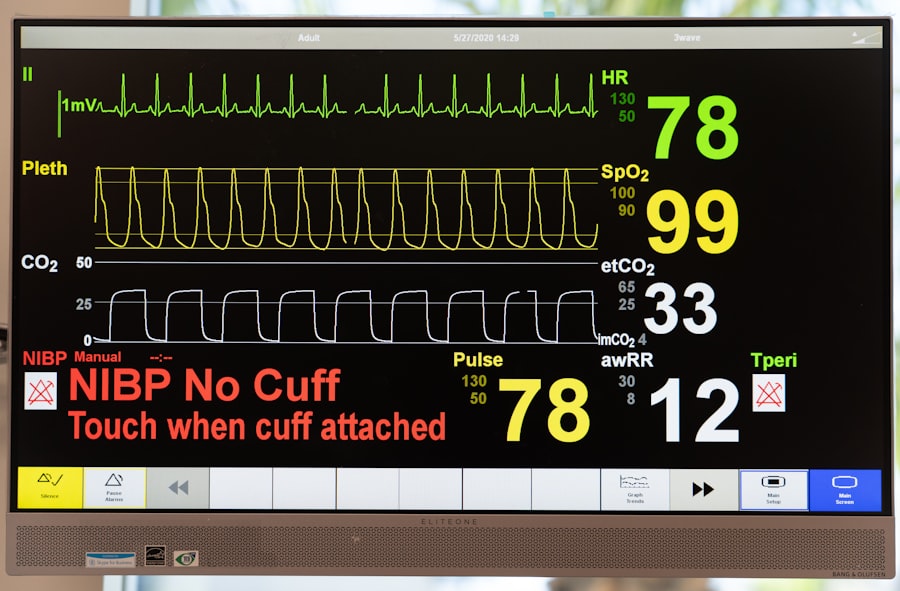
The insights gained from HRV monitoring can be directly applied to developing and refining stress management strategies. By recognizing patterns and understanding how different activities impact your HRV, you can make informed choices that promote recovery and resilience.
Baseline HRV: Your Personal Benchmark
Establishing a baseline HRV is the foundational step. This involves consistent measurement over a period, typically two to four weeks, under normal daily conditions. This baseline provides a personalized reference point against which future readings can be compared. Without a baseline, it is difficult to discern whether a particular HRV value is typical for you or represents an acute deviation. Think of it as learning the “normal” sound of your car engine before you can identify when it’s making an unusual noise. Your baseline HRV is your “normal engine sound.”
Recognizing Stress Indicators in HRV
When your HRV consistently drops below your established baseline, especially after engaging in activities that typically don’t cause a significant dip, it can serve as an early warning sign of accumulating stress. This is not a diagnosis, but rather an indication that your autonomic nervous system may be under strain. For example, if your morning HRV is significantly lower than your average, it might suggest that the previous day’s stressors have not been fully processed, or that your sleep was not restorative. This awareness allows you to proactively adjust your behavior.
HRV-Informed Lifestyle Choices
The practical application of HRV lies in its ability to inform daily lifestyle choices:
- Exercise and Recovery: Understanding how different types of exercise affect your HRV can help you optimize training. High-intensity workouts will naturally reduce HRV temporarily. If your HRV remains low days after a strenuous session, it might indicate insufficient recovery. Conversely, mindful movement practices like yoga or tai chi can often lead to an increase in HRV.
- Sleep Hygiene: Consistent low HRV readings, particularly in the morning, can point to issues with sleep quality. This might prompt a review of your sleep environment, pre-sleep routine, or stress levels that are interfering with restful sleep.
- Mindfulness and Relaxation Techniques: Engaging in meditation, deep breathing exercises, or progressive muscle relaxation can often lead to an immediate increase in HRV, indicating a shift towards parasympathetic activation. Tracking these interventions can help you identify which techniques are most effective for you.
- Work and Social Demands: Observing how specific work projects or social interactions correlate with HRV dips can highlight areas where stress management might be most needed. This could involve implementing short breaks, setting boundaries, or practicing stress-reduction techniques during demanding periods.
In exploring the intricate relationship between heart rate variability and stress management, readers may find it beneficial to delve into a related article that discusses various techniques for enhancing overall well-being. This insightful piece offers practical strategies for improving heart health and managing stress effectively. For more information, you can read the article here: related article. Understanding these concepts can significantly contribute to one’s journey towards greater strength and vitality.
Integrating HRV into Daily Practice: A Journaling Approach
| Metric | Description | Typical Range | Significance |
|---|---|---|---|
| Heart Rate Variability (HRV) | Variation in time intervals between heartbeats | 20-200 ms (milliseconds) | Higher HRV indicates better stress resilience and autonomic nervous system balance |
| Resting Heart Rate (RHR) | Number of heartbeats per minute at rest | 50-90 bpm (beats per minute) | Lower RHR often correlates with better cardiovascular fitness and lower stress |
| Stress Level (Self-Reported) | Subjective rating of stress on a scale of 1-10 | 1 (low) – 10 (high) | Helps track perceived stress and effectiveness of stress management techniques |
| Sleep Quality | Assessment of sleep duration and restfulness | 6-9 hours recommended | Good sleep supports recovery and improves HRV and stress management |
| Breathing Rate | Number of breaths per minute | 12-20 breaths per minute | Slower, controlled breathing can improve HRV and reduce stress |
The term “Strength and Vitality Journal” suggests a proactive and ongoing commitment to well-being. Integrating HRV into a daily journaling practice can transform raw data into actionable self-awareness. This approach allows you to connect objective physiological measurements with subjective experiences.
Daily HRV Logging
Dedicate a section of your journal to recording your daily HRV reading. Include the date, time of measurement, and the primary metric you are tracking (e.g., RMSSD or SDNN). Alongside the HRV number, make brief notes about your subjective experience of the day or the preceding night.
- Example Entry:
- Date: October 26, 2023
- Time: 7:05 AM
- HRV (RMSSD): 45 ms
- Notes: Slept okay, felt a bit rushed getting ready. Had a stressful work meeting yesterday.
This simple act of logging creates a personal data set, turning a number into a story about your body’s response to life.
Reflecting on HRV Trends
Beyond daily logging, dedicate time for weekly or monthly reflection on your HRV trends. Look for patterns:
- Consistent dips: Are there specific days of the week or specific activities that reliably lower your HRV?
- Periods of higher HRV: What lifestyle choices or practices correlate with periods of increased HRV, indicating a more resilient state?
- Impact of interventions: If you consciously implemented a stress management technique (e.g., a meditation session), did you observe a corresponding improvement in your HRV?
This reflective process is where the “strength and vitality” aspect truly comes into play. You are not just measuring; you are interpreting and learning.
Connecting Subjective Experience with Objective Data
The most powerful aspect of this journaling approach is the triangulation of information. For instance, if your HRV is low, but you subjectively feel well-rested and calm, this is valuable data. It might indicate that your body is handling a particular type of stress effectively, or that your baseline understanding of “low” needs adjustment. Conversely, if you feel stressed and anxious, and your HRV confirms this physiological state, it validates your feelings and provides a clear signal for intervention.
- Journal Prompt Example: “On days when my HRV is significantly below my average, what were the contributing factors? Conversely, what activities or mindset shifts coincided with higher HRV readings?”
By actively listening to both your internal sensations and your HRV metrics, you build a more comprehensive picture of your well-being.
Advanced Considerations and Future Directions
As understanding of HRV continues to evolve, so too do the applications and insights derived from it. Moving beyond basic tracking offers further avenues for enhancing strength and vitality.
HRV and Mental Health
Emerging research highlights the significant link between HRV and various mental health conditions, including anxiety, depression, and post-traumatic stress disorder (PTSD). Individuals with these conditions often exhibit blunted HRV, suggesting impaired regulation of the autonomic nervous system. Understanding this connection opens doors for HRV-guided interventions aimed at improving emotional regulation and resilience. For example, biofeedback training utilizing HRV can be employed to help individuals learn to consciously influence their autonomic response and cultivate a greater sense of calm.
HRV in Performance Optimization
Beyond stress management, HRV is increasingly utilized in athletic and performance settings. Athletes often monitor HRV to gauge their readiness for training, prevent overtraining, and optimize their recovery. A low HRV can be an indicator that the body is not fully recovered from previous exertion, and pushing further might lead to injury or burnout, akin to a car engine sputtering when pushed too hard without proper maintenance. By adjusting training intensity based on HRV data, athletes can train smarter and more effectively, building both physical strength and the internal resilience to handle demanding workloads.
Future Technologies and Research
The field of HRV research is dynamic. Future directions include:
- Personalized HRV analysis: Developing more sophisticated algorithms to interpret HRV data in the context of an individual’s unique physiology and environment.
- Integration with other biomarkers: Combining HRV data with other physiological markers to gain a more holistic understanding of health and stress.
- AI-driven interventions: Utilizing artificial intelligence to provide real-time, personalized recommendations based on HRV data and other inputs.
These advancements promise to further unlock the potential of HRV as a tool for promoting both mental and physical well-being, moving from a measurement tool to a proactive partner in achieving strength and vitality. By embracing this data, individuals can gain a deeper understanding of their bodies’ intricate systems and make informed choices that foster long-term health and resilience.