

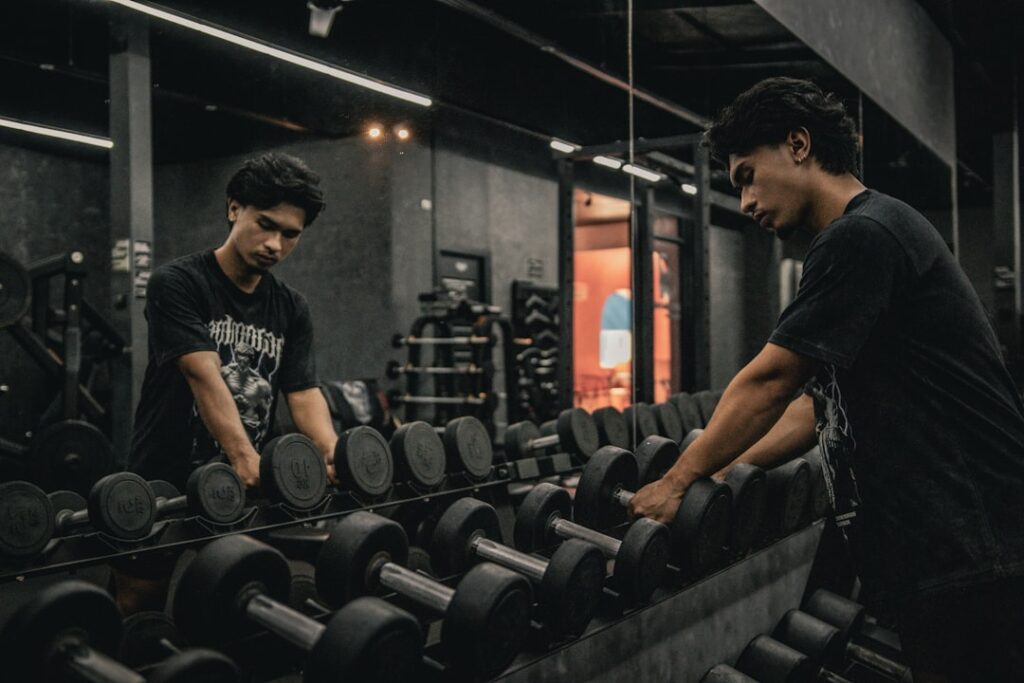
This article discusses the “Strength and Vitality Journal: High-Intensity Training for Busy Professionals,” a resource designed to integrate effective fitness strategies into demanding schedules. The journal presents a structured approach to high-intensity training (HIT), aiming to optimize physical and mental well-being for individuals with limited time.
The primary motivation behind the “Strength and Vitality Journal” is to address the common challenge faced by busy professionals: the perceived lack of time for comprehensive fitness regimens. Traditional training programs often demand significant time commitments, which can be difficult to sustain amidst professional responsibilities, family obligations, and other commitments. This journal offers a solution grounded in the principles of high-intensity training, which emphasizes brief, intense bursts of exercise followed by periods of recovery.
The Time Constraint Conundrum
Many professionals operate under tight schedules, viewing prolonged gym sessions as an impractical luxury. The journal acknowledges this reality, proposing that effective fitness does not necessitate hours of dedicated exercise. Instead, it posits that concentrated effort over shorter durations can yield comparable, if not superior, results for general fitness and health markers. This approach acts as a counter-narrative to the idea that more time spent exercising automatically equates to better outcomes.
Professional Demands and Stress Management
Beyond physical fitness, the journal recognizes the interconnectedness of physical and mental well-being, particularly in high-pressure professional environments. Chronic stress, a common byproduct of demanding careers, can manifest physically. The structured nature of the training, coupled with its emphasis on mindful execution, is presented as a mechanism for stress reduction and improved mental clarity. Engaging in physical activity, even for short durations, can serve as a mental reset, a small oasis in a desert of deadlines and commitments.
Accessibility and Practicality
The journal aims for broad applicability, not requiring specialized equipment or access to a gymnasium. While gym access can enhance certain exercises, the core principles and many of the suggested routines are adaptable to home environments or limited spaces. This focus on accessibility makes fitness less of a logistical hurdle and more of an integrated component of a daily routine.
For busy professionals looking to enhance their fitness levels, the article “High-Intensity Training for Busy Professionals” in the Strength and Vitality Journal offers valuable insights into effective workout strategies that fit into a hectic schedule. To further explore the concept of balancing life and fitness, you may find the related article on life balance coaching particularly useful. It provides practical tips and techniques to help individuals manage their time better while prioritizing health and well-being. You can read more about it here: Life Balance Coaching.
Principles of High-Intensity Training (HIT)
High-Intensity Training (HIT) forms the bedrock of the “Strength and Vitality Journal.” It is a methodology characterized by maximum effort during brief exercise bouts, followed by adequate recovery. This approach emphasizes quality over quantity, pushing the body to its limits within a short timeframe.
The Science Behind HIT
HIT’s efficacy lies in its ability to stimulate physiological adaptations in a compressed timeframe. Research indicates that HIT can significantly improve cardiovascular health, increase muscular strength and endurance, and enhance metabolic rate. These benefits are attributed to the body’s response to acute, intense stress, leading to greater hormonal output and cellular adaptations. The body, like a well-tuned engine, becomes more efficient at utilizing fuel and recovering from strain.
Exercise Modalities and Adaptation
The journal explores various HIT modalities, including High-Intensity Interval Training (HIIT), Tabata, and circuit training with maximal effort. HIIT typically involves alternating between short periods of intense anaerobic exercise and less intense recovery periods. Tabata, a specific form of HIIT, consists of 20 seconds of maximal effort followed by 10 seconds of rest, repeated for several rounds. Circuit training, when executed with maximal effort and minimal rest between exercises, also falls under the HIT umbrella. The journal guides individuals in adapting these modalities to their fitness level and available resources.
Avoiding Overtraining
Despite the emphasis on high intensity, the journal stresses the importance of adequate recovery to prevent overtraining. Overtraining can lead to diminished performance, increased injury risk, and burnout. It educates users on recognizing the signs of overtraining, such as persistent fatigue, decreased performance, and prolonged muscle soreness. The journal implicitly acknowledges that pushing the body too hard, too often, is akin to trying to drain a reservoir with a leaky bucket – you might exert significant effort, but the overall outcome will be unsatisfactory.
Journal Structure and Content
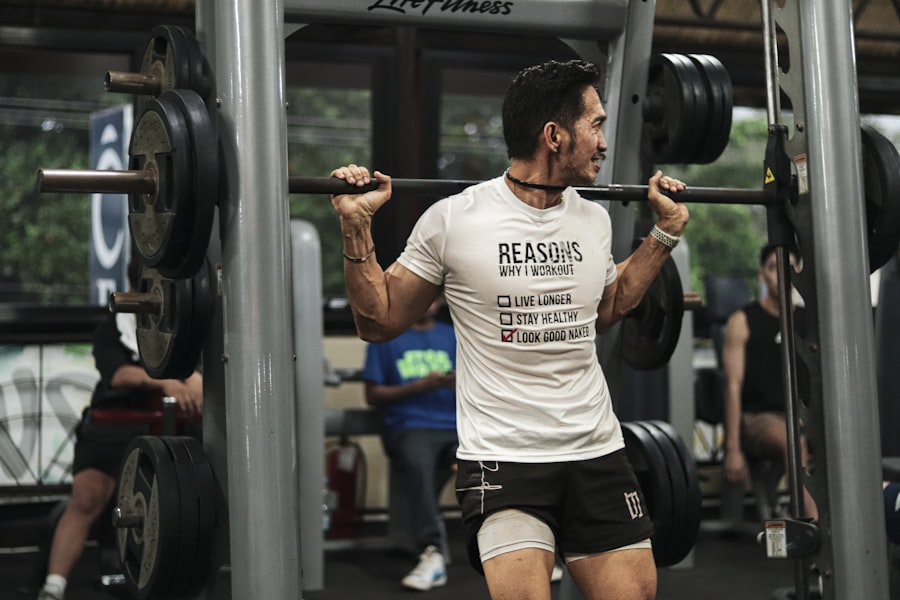
The “Strength and Vitality Journal” is designed as a practical, interactive tool, rather than a passive guide. Its structure facilitates consistent engagement and tracking of progress.
Goal Setting and Progress Tracking
The initial sections are dedicated to goal setting, guiding users to define specific, measurable, achievable, relevant, and time-bound (SMART) objectives. This foundational step is crucial for establishing direction and motivation. Subsequent sections provide templates for recording daily workouts, including exercises performed, repetitions, sets, duration, and perceived exertion levels. This meticulous tracking allows individuals to monitor their progress, identify areas for improvement, and celebrate milestones. Without clear goals and consistent tracking, fitness endeavors can become like a ship without a compass, drifting without a clear destination.
Sample Workouts and Exercise Library
The journal includes a diverse library of exercises, categorized by muscle group and equipment requirements. Each exercise is typically accompanied by clear instructions and, in some cases, illustrative diagrams. This resource allows users to construct varied workouts, preventing monotony and ensuring comprehensive muscle engagement. Sample workout routines are also provided, catering to different fitness levels and time constraints, serving as blueprints for effective training sessions.
Nutrition and Recovery Guidelines
Recognizing that exercise alone is insufficient for optimal well-being, the journal dedicates sections to nutrition and recovery. It provides general guidelines for healthy eating, emphasizing whole foods, adequate protein intake, and hydration, without promoting restrictive diets. Recovery strategies, including sleep hygiene, active recovery, and mindfulness practices, are also discussed. This holistic approach acknowledges that the body requires both fuel and rest to adapt and thrive. Nutrition, in this context, is not merely about sustenance; it is the building material that allows the body to rebuild and strengthen itself after the stresses of training, akin to a complex scaffold supporting a new construction.
Integration into a Busy Lifestyle

A core tenet of the “Strength and Vitality Journal” is its adaptability to diverse professional schedules. It provides strategies for seamless integration of fitness into existing routines.
Time Management Strategies
The journal offers practical time management techniques, such as scheduling workouts in advance, treating exercise appointments with the same importance as professional meetings, and leveraging micro-workouts throughout the day. It encourages individuals to identify “windows of opportunity” within their schedules, even if these windows are as short as 10-15 minutes. This approach demonstrates that rather than fitting into a rigid fitness mold, the fitness mold can be adapted to fit the individual’s life.
Overcoming Barriers to Consistency
Common obstacles, such as lack of motivation, fatigue, and unexpected schedule disruptions, are addressed. The journal suggests strategies like finding an accountability partner, utilizing positive self-talk, and having backup workout plans for days when preferred options are unavailable. It recognizes that consistency, like a steady drip of water, can eventually wear down even the hardest stone, leading to significant change over time.
Mindset and Motivation
Beyond practical considerations, the journal delves into the psychological aspects of maintaining a fitness routine. It advocates for cultivating a growth mindset, viewing challenges as opportunities for development rather than insurmountable obstacles. Strategies for intrinsic motivation, such as focusing on the feeling of accomplishment and improved well-being, are explored. This section implicitly acknowledges that the greatest battle is often fought not in the gym, but within the individual’s mind.
In the latest issue of the Strength and Vitality Journal, the article on High-Intensity Training for Busy Professionals highlights effective strategies for maximizing fitness in limited time. For those looking to further enhance their understanding of efficient workout techniques, a related article can be found at this link, which explores additional tips and resources tailored for individuals with demanding schedules. By integrating these insights, busy professionals can achieve their health goals without compromising their work commitments.
Potential Benefits and Limitations
| Metric | Description | Value | Unit |
|---|---|---|---|
| Workout Duration | Average time spent per high-intensity training session | 30 | minutes |
| Sessions per Week | Number of high-intensity training sessions completed weekly | 3 | sessions |
| Average Heart Rate | Mean heart rate during training sessions | 150 | bpm |
| Calories Burned | Estimated calories burned per session | 350 | kcal |
| Strength Gain | Percentage increase in strength over 8 weeks | 15 | % |
| Energy Levels | Self-reported energy improvement after 4 weeks | 20 | % increase |
| Sleep Quality | Improvement in sleep quality score after training | 18 | % improvement |
| Stress Reduction | Decrease in perceived stress levels post-training | 25 | % decrease |
The “Strength and Vitality Journal” presents a structured framework, but its effectiveness is contingent on individual adherence and other factors.
Enhanced Physical and Mental Well-being
For individuals who consistently utilize the journal’s principles, potential benefits include increased cardiovascular fitness, improved muscular strength and endurance, reduced body fat, and enhanced energy levels. On the mental front, users may experience reduced stress, improved focus, and greater resilience. The journal acts as a catalyst; the actual chemical reaction rests with the user.
Time Efficiency and Adaptability
A significant advantage is the time-efficient nature of HIT, making it suitable for professionals with demanding schedules. The journal’s adaptable framework allows for customization based on individual fitness levels, preferences, and available resources.
Important Considerations and Cautions
While HIT offers numerous benefits, it is not without considerations. Individuals with pre-existing medical conditions or injuries should consult with a healthcare professional before embarking on any new exercise program. The high-intensity nature of the workouts can also increase the risk of injury if proper form is not maintained or if insufficient recovery is allowed. The journal, despite its comprehensive nature, cannot replace professional medical or fitness advice.
Individual Variation in Results
It is crucial to recognize that physiological responses to exercise vary among individuals. Factors such as genetics, age, diet, sleep quality, and baseline fitness levels all influence the rate and extent of progress. While the journal provides a robust framework, individual results may differ. The journey to strength and vitality is not a straight path for everyone; it is more accurately described as a winding river, with each individual navigating their own unique currents and obstacles.
The “Strength and Vitality Journal: High-Intensity Training for Busy Professionals” offers a carefully constructed approach to fitness, acknowledging the realities of modern professional life. Its emphasis on structured, intense, and time-efficient training, coupled with guidance on nutrition and recovery, positions it as a valuable resource for those seeking to integrate robust physical activity into demanding schedules. Its efficacy, however, remains ultimately dependent on the proactive engagement and consistent effort of its users.