

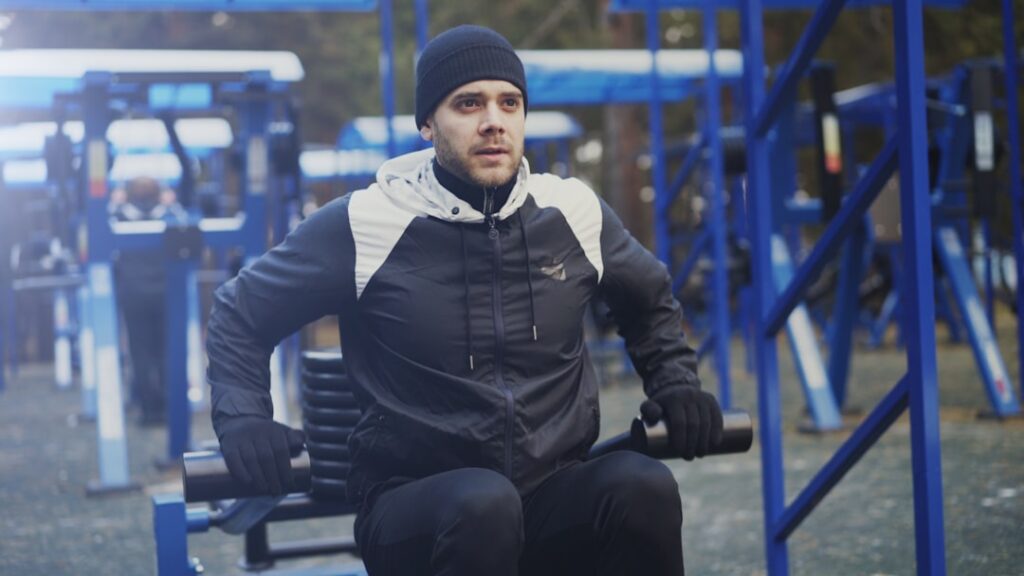
This article outlines the methodology and principles behind the “Strength and Vitality Journal: Mastering Bodyweight Strength for Remote Professionals.” This program is designed to address the specific physical challenges often encountered by individuals working in remote environments, focusing on the development of functional strength and overall well-being through bodyweight exercises.
The “Strength and Vitality Journal” emerged from an observed need within the remote professional community. The sedentary nature of desk work, coupled with fragmented schedules and limited access to traditional gym facilities, frequently leads to a decline in physical fitness, postural issues, and decreased energy levels. This program posits that a structured approach to bodyweight training can mitigate these adverse effects, offering a sustainable and accessible solution.
The philosophy underpinning this program is rooted in practicality and self-efficacy. It emphasizes the development of intrinsic motivation and the cultivation of consistent habits over reliance on external motivators or specialized equipment. The journal serves not merely as a record-keeping tool but as a guide for progression, a prompt for reflection, and a repository of actionable information. It aims to empower individuals to take ownership of their physical health regardless of their work environment or prior fitness experience.
Addressing Sedentary Lifestyles
Remote work, while offering flexibility, often correlates with prolonged periods of sitting. This can contribute to various physiological issues, including muscular imbalances, reduced cardiovascular health, and diminished metabolic function. The program’s design directly confronts these challenges by integrating movements that counteract the effects of a sedentary lifestyle. It actively promotes standing, stretching, and short bursts of activity throughout the workday, transforming passive work environments into opportunities for low-impact movement.
Accessibility and Adaptability
A core tenet of the “Strength and Vitality Journal” is its universal applicability. Bodyweight exercises require minimal to no equipment, making them accessible in virtually any location, from a home office to a temporary workspace during travel. The program’s adaptability allows for modifications based on individual fitness levels, physical limitations, and time constraints. This ensures that the exercises remain challenging yet achievable, preventing discouragement and promoting long-term adherence.
In the quest for enhancing physical fitness, particularly for remote professionals, the article “Art Instruction Books” found at this link offers valuable insights into the importance of creativity and discipline in maintaining a healthy lifestyle. By integrating bodyweight strength training techniques with artistic expression, individuals can cultivate both physical vitality and mental clarity, making it an excellent complement to the strategies discussed in the Strength and Vitality Journal: Mastering Bodyweight Strength for Remote Professionals.
Core Principles of Bodyweight Strength
Bodyweight strength training, at its essence, utilizes an individual’s own mass as resistance. This method offers several distinct advantages, particularly for remote professionals. It fosters a deeper understanding of one’s own body mechanics and promotes a more integrated approach to physical development.
Foundational Movements
The program focuses on mastering fundamental human movement patterns: pushing, pulling, squatting, hinging, and carrying. These movements are considered foundational because they are essential for daily activities and form the basis for more complex exercises.
- Push exercises: Examples include push-ups, dips (supported), and handstands (introductory variations). These movements primarily engage the chest, shoulders, and triceps.
- Pull exercises: Bodyweight rows (e.g., inverted rows using a sturdy table or resistance band), and eventually pull-ups (assisted or full) contribute to back and bicep strength. These are often the most challenging to implement without equipment, requiring creative solutions or a minimal investment in a resistance band or doorframe pull-up bar.
- Squat exercises: Bodyweight squats, assisted squats, and pistol squat progressions develop lower body strength, particularly in the quadriceps and glutes.
- Hinge exercises: Good mornings (bodyweight), glute bridges, and single-leg Romanian deadlifts promote strength in the posterior chain, including the hamstrings and glutes. These are crucial for counteracting the effects of prolonged sitting.
- Core stabilization: Exercises like planks, side planks, leg raises, and bird-dogs are integrated to strengthen the core musculature, which is vital for postural support, injury prevention, and efficient movement.
Progressive Overload Without Weights
The principle of progressive overload is fundamental to strength development, irrespective of the training modality. For bodyweight exercises, this involves increasing the difficulty of a movement over time without adding external weight.
- Increasing repetitions: Performing more repetitions of an exercise within a given set increases the total work volume.
- Increasing sets: A greater number of sets also contributes to higher training volume.
- Decreasing rest intervals: Shorter rest periods between sets enhance muscular endurance and metabolic conditioning.
- Improving form: Achieving perfect, controlled execution of an exercise ensures maximum muscle activation and reduces injury risk, making the movement inherently more challenging.
- Advanced variations: Progressing from simpler variations of an exercise to more complex ones (e.g., knee push-ups to standard push-ups, or standard push-ups to decline push-ups).
- Isometric holds: Holding a specific position within an exercise for an extended period (e.g., holding the bottom of a squat or the top of a pull-up).
- Unilateral training: Performing exercises on one limb at a time (e.g., single-leg squats, single-arm push-ups) to address imbalances and increase overall difficulty.
Journal Structure and Usage
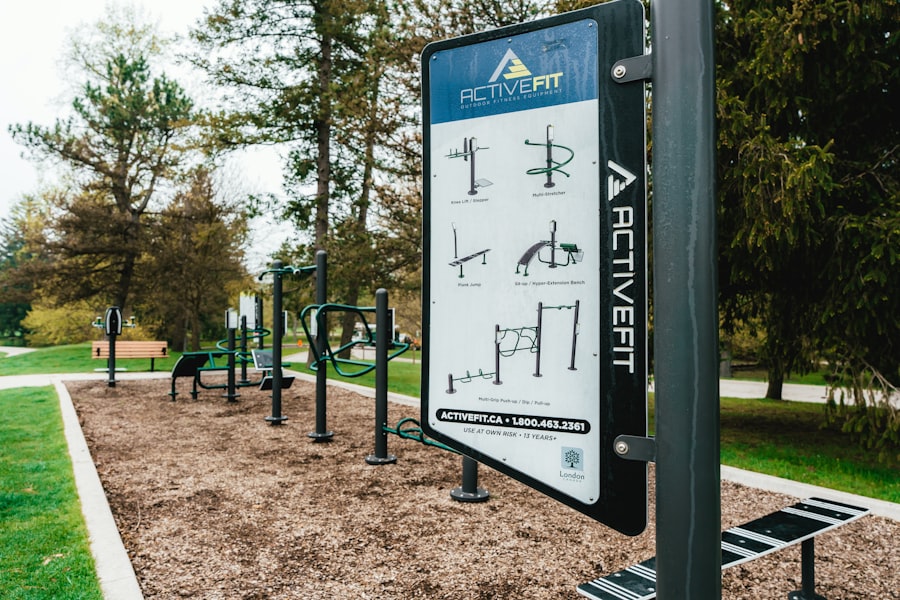
The “Strength and Vitality Journal” is structured to facilitate consistent engagement and provide a clear framework for progress tracking. It is designed as a modular system, allowing for individual customization within established guidelines.
Daily Log and Reflection
Each day, the journal provides space for recording completed exercises, sets, repetitions, and perceived exertion (RPE, Rating of Perceived Exertion). This granular data allows for an objective assessment of performance. Beyond mere numbers, the journal encourages a brief reflective component.
- Performance notes: Documenting how each exercise felt, any difficulties encountered, or improvements observed.
- Energy levels: A simple daily rating of energy levels can help correlate physical activity with overall vitality.
- Sleep quality: Tracking sleep patterns can provide insight into recovery and readiness for training.
- Nutritional awareness: Brief notes on dietary choices can help identify patterns that support or hinder physical progress.
- Mindset and mood: Reflecting on mental state can illuminate the interconnectedness of physical and mental well-being.
This reflective practice transforms the journal from a simple log into a tool for self-discovery, allowing individuals to identify personal triggers, motivators, and areas for improvement beyond the purely physical.
Weekly Planning and Review
At the start of each week, the journal prompts the user to outline their training schedule, including planned workouts, rest days, and specific goals for the week. This proactive planning helps establish a routine and fosters commitment.
- Goal setting: Defining measurable and achievable weekly goals (e.g., “increase push-up repetitions by 2,” “hold plank for an additional 10 seconds”).
- Workout allocation: Deciding which days will be active and which will be rest or recovery days.
- Movement integration: Planning short activity breaks throughout the workday (e.g., standing during calls, performing a few squats every hour).
At the end of each week, a review section encourages a comprehensive assessment of the week’s progress. This includes reflecting on whether goals were met, identifying challenges, and adjusting the plan for the following week. This iterative process is crucial for sustained improvement and adapting the program to evolving needs.
Progressive Cycles
The program is organized into progressive cycles, typically lasting 4-6 weeks. Each cycle introduces new exercise variations or increases the intensity of existing ones, following the principle of progressive overload.
- Cycle objectives: Each cycle has specific objectives, such as building foundational strength, improving muscular endurance, or developing specific skills (e.g., handstand preparation).
- Exercise library: The journal includes a curated library of bodyweight exercises, ranging from beginner to advanced, with clear instructions and, where possible, visual aids. This provides a roadmap for progression.
- Deload weeks: Strategic deload weeks, involving reduced intensity or volume, are incorporated to aid recovery, prevent burnout, and allow the body to adapt to the training stimulus. This is analogous to a controlled retreat, allowing the physical edifice to solidify.
Integrating Strength into the Remote Workday
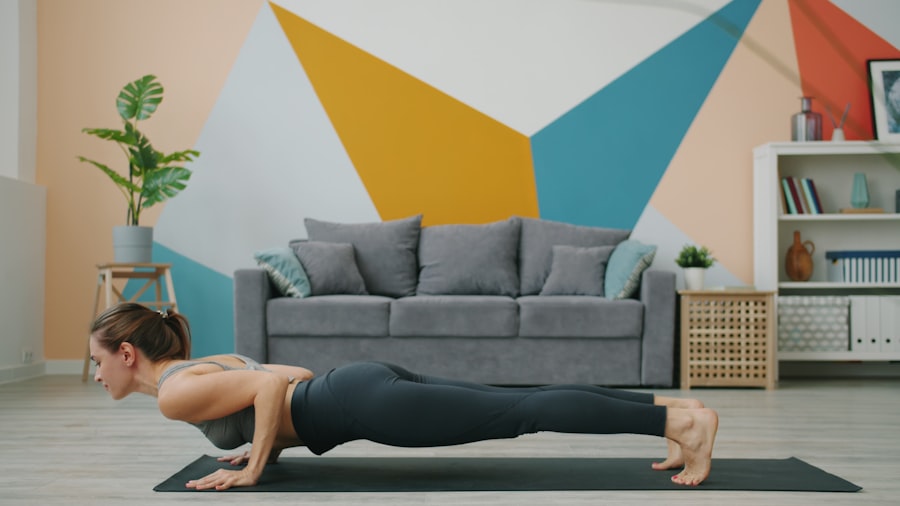
The practical challenge for remote professionals is not merely “doing” exercises but seamlessly integrating them into an often-unpredictable work schedule. The “Strength and Vitality Journal” offers strategies to achieve this integration.
Micro-Workouts and Activity Snacks
Instead of rigid, long training sessions, the program advocates for “activity snacks” – short bursts of movement performed throughout the day. These can range from a few minutes to 15-20 minutes.
- Desk stretches: Simple stretches performed at the desk to alleviate tension in the neck, shoulders, and hips.
- Movement breaks: Performing a set of squats, push-ups, or lunges during a short break or transition between tasks.
- Active calls: Standing or walking during phone calls or virtual meetings where visual presence is not required.
These micro-workouts are not intended to replace longer training sessions but rather to supplement them, keeping the body mobile, circulation flowing, and energy levels stable. They act as small investments that yield significant cumulative returns.
Workspace Optimization
The physical environment can significantly impact adherence to a fitness regimen. The journal encourages users to consider their workspace as an ally in their fitness journey.
- Ergonomic setup: Ensuring a workstation that supports good posture, reducing strain.
- Visibility of cues: Placing resistance bands, a yoga mat, or a pull-up bar in visible locations serves as a constant reminder to engage in activity.
- Clearance for movement: Ensuring enough space around the desk for basic bodyweight movements without obstruction.
By consciously shaping the environment, individuals can create a default setting that facilitates regular movement, rather than passively allowing the environment to dictate a sedentary lifestyle.
In the quest for improved fitness, remote professionals often seek innovative ways to stay active while managing their busy schedules. A related article that complements the insights found in the Strength and Vitality Journal is focused on optimizing your workspace for better health. This resource emphasizes the importance of creating an ergonomic environment that supports physical well-being, which can be crucial for those who spend long hours at a desk. For more information, you can read the full article here.
Beyond Physical Strength: Vitality and Well-being
| Metric | Description | Target Value | Measurement Frequency | Notes |
|---|---|---|---|---|
| Push-ups | Maximum number of consecutive push-ups | 20-30 reps | Weekly | Measures upper body strength progress |
| Plank Hold Time | Duration holding a plank position | 2-3 minutes | Weekly | Assesses core strength and endurance |
| Squat Repetitions | Number of bodyweight squats performed consecutively | 30-40 reps | Weekly | Tracks lower body strength |
| Daily Step Count | Number of steps taken per day | 7,000-10,000 steps | Daily | Encourages general activity and vitality |
| Sleep Duration | Hours of sleep per night | 7-8 hours | Daily | Supports recovery and energy levels |
| Hydration | Liters of water consumed daily | 2-3 liters | Daily | Maintains optimal body function |
| Energy Levels | Self-rated energy on a scale of 1-10 | 7 or higher | Daily | Subjective measure of vitality |
| Work Break Frequency | Number of short breaks taken during work hours | Every 60 minutes | Daily | Prevents fatigue and promotes movement |
The “Strength and Vitality Journal” emphasizes that physical strength is often a gateway to broader well-being. Vitality encompasses mental acuity, emotional resilience, and sustained energy.
Stress Reduction and Mental Clarity
Physical activity is a recognized modulator of stress. Regular bodyweight training can contribute to reduced anxiety and improved mood. The act of focusing on movement can serve as a form of mindfulness, providing a mental break from work-related cognitive demands.
- Endorphin release: The physiological response to exercise includes the release of endorphins, which have mood-boosting effects.
- Improved sleep: Consistent physical activity can lead to better sleep quality, which in turn enhances cognitive function and emotional regulation.
- Sense of accomplishment: Achieving fitness goals, no matter how small, fosters a sense of accomplishment and self-efficacy, contributing to a positive self-image.
The journal encourages reflection on these psychological benefits, reinforcing the holistic value of the program.
Building Self-Efficacy
By providing a structured yet adaptable framework for physical development, the journal empowers remote professionals to take charge of their health. The consistent act of setting goals, working towards them, and tracking progress cultivates self-efficacy – the belief in one’s capacity to succeed. This self-efficacy can then transfer to other areas of professional and personal life, enabling individuals to tackle challenges with greater confidence and resilience. The journal becomes a testament to their dedication and an archive of their triumphs, a tangible record of their internal locus of control.