


This journal, titled Strength and Vitality Journal: Optimizing Metabolic Health Through Functional Fitness, aims to provide a structured approach to improving metabolic health. It posits that the integration of functional fitness principles with a consistent journaling practice can lead to measurable gains in physical well-being. The journal is designed for individuals seeking to understand and actively manage their metabolic state through lifestyle interventions.
Defining Metabolic Health
Metabolic health refers to the state of one’s body metabolizing carbohydrates and fats efficiently. It is characterized by healthy levels of blood sugar, triglycerides, cholesterol (HDL and LDL), and blood pressure, without the need for medication. When these markers deviate from optimal ranges, it can signal an increased risk of developing metabolic syndrome, type 2 diabetes, and cardiovascular disease.
The Role of Functional Fitness
Functional fitness emphasizes training the body for real-life activities. This means performing exercises that mimic everyday movements such as lifting, carrying, pushing, pulling, squatting, and lunging. The goal is to enhance muscle strength, coordination, balance, and cardiovascular endurance, thereby improving the body’s ability to perform daily tasks with greater ease and efficiency.
Benefits of Functional Movements
- Improved Agility and Balance: Movements that engage multiple muscle groups simultaneously enhance proprioception and reaction time, crucial for preventing falls and navigating uneven terrain.
- Enhanced Musculoskeletal Strength: By working the body as a cohesive unit, functional exercises build strength that translates directly to everyday activities, reducing strain and injury risk.
- Increased Caloric Expenditure: Many compound functional movements are metabolically demanding, contributing to a higher calorie burn both during and after the workout.
- Better Posture and Body Mechanics: Regular practice helps align the body, leading to improved posture and more efficient movement patterns.
The Power of Journaling
The Strength and Vitality Journal leverages the practice of journaling as a tool for self-monitoring, goal setting, and attitudinal adjustment. This practice acts as a mirror, reflecting progress, identifying patterns, and reinforcing commitment. By documenting workouts, dietary habits, sleep patterns, and subjective feelings, individuals can gain valuable insights into their body’s responses to different stimuli.
Components of Effective Journaling
- Workout Logging: Detailed records of exercises performed, sets, repetitions, weights lifted, and duration. This provides a quantitative measure of progress and helps in program adjustments.
- Nutrition Tracking: Recording food and beverage intake, noting macronutrient distribution and caloric consumption. This assists in understanding how diet impacts energy levels and metabolic markers.
- Sleep Monitoring: Documenting bedtime, wake-up time, and perceived sleep quality. Sleep is a critical, often overlooked, contributor to metabolic health and recovery.
- Mood and Energy Levels: Subjective assessment of daily mood, stress levels, and perceived energy during workouts and throughout the day. These qualitative factors offer a holistic view of well-being.
- Reflections and Insights: Space for personal observations, challenges encountered, and strategies for overcoming them. This section encourages mindful engagement with the process.
In the quest for enhancing overall well-being, the article titled “Harnessing the Power of Cloud Services for Health Optimization” offers valuable insights that complement the findings presented in the Strength and Vitality Journal: Optimizing Metabolic Health Through Functional Fitness. This related piece discusses how modern technology, particularly cloud services, can be leveraged to track fitness progress and optimize nutritional plans, thereby supporting the goals outlined in the journal. For more information, you can read the article here: Harnessing the Power of Cloud Services for Health Optimization.
Cultivating Functional Fitness for Metabolic Improvement
This section delves into the practical application of functional fitness principles as outlined within the Strength and Vitality Journal for the express purpose of optimizing metabolic health. It moves beyond theoretical constructs to provide actionable guidance.
Designing a Functional Fitness Program
A well-designed functional fitness program forms the bedrock of metabolic improvement. The journal guides users through the process of creating a routine that is both effective and sustainable. It emphasizes progressive overload and variation to continually challenge the body and prevent plateaus.
Foundational Functional Movements
- Squat Variations: Including bodyweight squats, goblet squats, and overhead squats. These movements engage the lower body and core, crucial for overall strength and metabolic rate.
- Hinge Patterns: Such as deadlifts, kettlebell swings, and good mornings. These exercises are vital for posterior chain development (hamstrings, glutes, lower back) and are powerful metabolic stimuli.
- Pushing Movements: Including push-ups, overhead presses, and chest presses. These build upper body and core strength, essential for functional capacity.
- Pulling Movements: Such as rows (barbell, dumbbell, or machine), pull-ups, and chin-ups. These are critical for upper back and biceps development, balancing pushing movements and improving posture.
- Lunge Variations: Including forward lunges, reverse lunges, and lateral lunges. These enhance single-leg strength, balance, and coordination, mimicking the demands of walking and many athletic activities.
- Carrying and Rotational Movements: Incorporating farmer’s walks, suitcase carries, and wood chops. These build grip strength, core stability, and improve functional power.
Progressive Overload Strategies
The journal advocates for a systematic increase in training stimulus over time. This is the engine that drives adaptation and progress.
Increasing Resistance:
- Adding weight to barbells or dumbbells.
- Using resistance bands with higher tension.
- Employing more challenging variations of bodyweight exercises (e.g., progressing from knee push-ups to full push-ups).
Increasing Volume:
- Adding more repetitions per set.
- Performing additional sets of an exercise.
- Increasing the duration of holds or isometric contractions.
Increasing Frequency:
- Adding an extra training session per week, ensuring adequate recovery.
Decreasing Rest Intervals:
- Reducing the time between sets to increase metabolic demand and cardiovascular challenge.
Improving Technique:
- Focusing on perfect form, which often allows for safely increasing the load or complexity of an exercise. This is a subtle but powerful form of progression.
Integrating Cardiovascular Conditioning
While strength training is a cornerstone, cardiovascular conditioning is equally vital for metabolic health. The journal encourages a balanced approach, ensuring both aerobic and anaerobic systems are stimulated.
High-Intensity Interval Training (HIIT)
HIIT involves short bursts of intense exercise followed by brief recovery periods. This method is highly effective for improving cardiovascular fitness and can significantly boost metabolic rate in a shorter timeframe.
Sample HIIT Protocol Design
The journal might suggest a structure like:
- Warm-up: 5-10 minutes of light cardio and dynamic stretching.
- Work Interval: 30 seconds of maximal effort (e.g., sprinting, burpees, cycling hard).
- Rest Interval: 60-90 seconds of active recovery (e.g., brisk walking, light cycling) or complete rest.
- Repeat: 6-10 rounds.
- Cool-down: 5-10 minutes of static stretching.
The journal would prompt users to record the specific exercises, durations, and perceived exertion for each session.
Steady-State Cardio
Moderate-intensity aerobic exercise performed for a sustained period (e.g., 30-60 minutes) remains a valuable component of metabolic health. It contributes to fat oxidation, improves insulin sensitivity, and enhances overall endurance. Examples include brisk walking, jogging, cycling, swimming, or using an elliptical trainer.
The Gut-Brain Connection and Metabolic Health
The Strength and Vitality Journal recognizes that metabolic health is not solely dictated by physical activity and diet. Emerging research highlights the significant influence of the gut microbiome and the brain’s role in regulating appetite, metabolism, and energy balance.
Impact of Exercise on the Gut Microbiome
Regular physical activity, particularly functional fitness, has been shown to promote a more diverse and beneficial gut microbial population. This diversity is linked to improved digestion, nutrient absorption, and a reduction in inflammation, all of which can positively impact metabolic markers.
Mechanisms of Influence:
- Increased Microbial Diversity: Exercise can stimulate the growth of beneficial bacteria that produce short-chain fatty acids (SCFAs), which have anti-inflammatory properties and can improve insulin sensitivity.
- Improved Gut Motility: Physical activity helps regulate the digestive tract, preventing issues like constipation and promoting efficient nutrient processing.
- Reduced Inflammation: By promoting a healthy gut lining and reducing systemic inflammation, exercise indirectly supports better metabolic function.
Stress Management and Metabolic Regulation
Chronic stress can negatively impact metabolic health by disrupting hormonal balance, leading to increased cortisol levels. High cortisol can promote fat storage, particularly around the abdomen, and contribute to insulin resistance. The journaling component of Strength and Vitality Journal is designed to facilitate stress awareness and management.
Journal Prompts for Stress Management:
- “What were the primary stressors in my life today/this week?”
- “How did I feel physically and emotionally in response to these stressors?”
- “What coping mechanisms did I employ, and how effective were they?”
- “What strategies can I implement to better manage stress in the future, potentially incorporating my fitness routine?”
By conscientiously answering these prompts, individuals can identify stress triggers and develop proactive strategies, thereby safeguarding their metabolic health.
Nutritional Strategies for Metabolic Optimization
The Strength and Vitality Journal embeds critical nutritional considerations within its framework. It acknowledges that while exercise provides significant benefits, diet remains a paramount factor in optimizing metabolic health. This section explores key nutritional approaches for readers.
Macronutrient Balance and Timing
Understanding the role of macronutrients—carbohydrates, proteins, and fats—is fundamental. The journal encourages a balanced intake, tailored to individual needs and activity levels.
The Role of Protein
Protein is essential for muscle repair and growth, which are critical for maintaining and increasing lean body mass. Lean muscle tissue is metabolically active and contributes to a higher resting metabolic rate.
Protein Sources to Prioritize:
- Lean meats (poultry, fish)
- Eggs
- Dairy products (Greek yogurt, cottage cheese)
- Legumes (beans, lentils)
- Tofu and tempeh
- Nuts and seeds
The journal would prompt users to record their protein intake and note any correlation with workout performance and recovery.
Carbohydrate Considerations
Carbohydrates are the body’s primary source of energy. The journal advocates for prioritizing complex carbohydrates, which are digested more slowly and lead to a more sustained release of energy, avoiding sharp blood sugar spikes and crashes.
Quality Carbohydrate Choices:
- Whole grains (oats, quinoa, brown rice)
- Starchy vegetables (sweet potatoes, yams)
- Fruits
- Non-starchy vegetables
The journal would encourage users to observe how different carbohydrate choices affect their energy levels and performance.
Healthy Fat Intake
Fats are vital for hormone production, nutrient absorption, and providing a sustained energy source. The journal emphasizes the consumption of unsaturated fats.
Beneficial Fat Sources:
- Avocados
- Nuts and seeds
- Olive oil
- Fatty fish (salmon, mackerel)
Users are encouraged to track their fat intake and assess its impact on satiety and overall well-being within the journal.
Hydration’s Crucial Role
Water is a fundamental element for all bodily functions, including metabolism. Adequate hydration is essential for nutrient transport, temperature regulation, and waste removal.
Recommended Water Intake
While individual needs vary based on activity level and climate, a general guideline is to consume at least eight 8-ounce glasses of water per day. Increased physical activity necessitates a greater fluid intake.
Monitoring Hydration within the Journal:
- “How many liters/glasses of water did I consume today?”
- “Did I feel adequately hydrated throughout the day?”
- “Did hydration levels impact my energy and workout performance?”
By actively noting hydration, users can establish consistent habits.
Micronutrient Importance
Vitamins and minerals, though required in smaller quantities, play indispensable roles in metabolic processes.
Nutrient-Dense Foods as Building Blocks
A diet rich in a variety of fruits, vegetables, and whole foods ensures adequate intake of essential micronutrients. These act as co-factors in numerous enzymatic reactions that drive metabolism.
Examples of Key Micronutrients and Their Roles:
- Magnesium: Involved in over 300 biochemical reactions, including energy production and glucose metabolism.
- B Vitamins: Crucial for energy metabolism and the conversion of food into usable energy.
- Iron: Essential for oxygen transport, impacting energy levels and exercise capacity.
- Zinc: Plays a role in immune function and protein synthesis.
The journal provides space for reflection on dietary variety and encourages users to consider nutrient density as a dietary principle.
Monitoring Progress and Adapting the Plan

The Strength and Vitality Journal is designed not as a static document, but as a dynamic tool for continuous improvement. This section focuses on how to effectively use the journal to track progress and make necessary adjustments to training and nutritional plans.
Objective Biomarkers of Metabolic Health
While subjective daily entries are valuable, objective measurements provide concrete evidence of progress. The journal encourages periodic tracking of key biomarkers.
Key Metrics to Monitor:
- Body Composition: Tracking weight, body fat percentage, and lean muscle mass. Changes in these metrics can indicate improvements in metabolic flexibility.
- Blood Pressure: Regular monitoring of systolic and diastolic blood pressure.
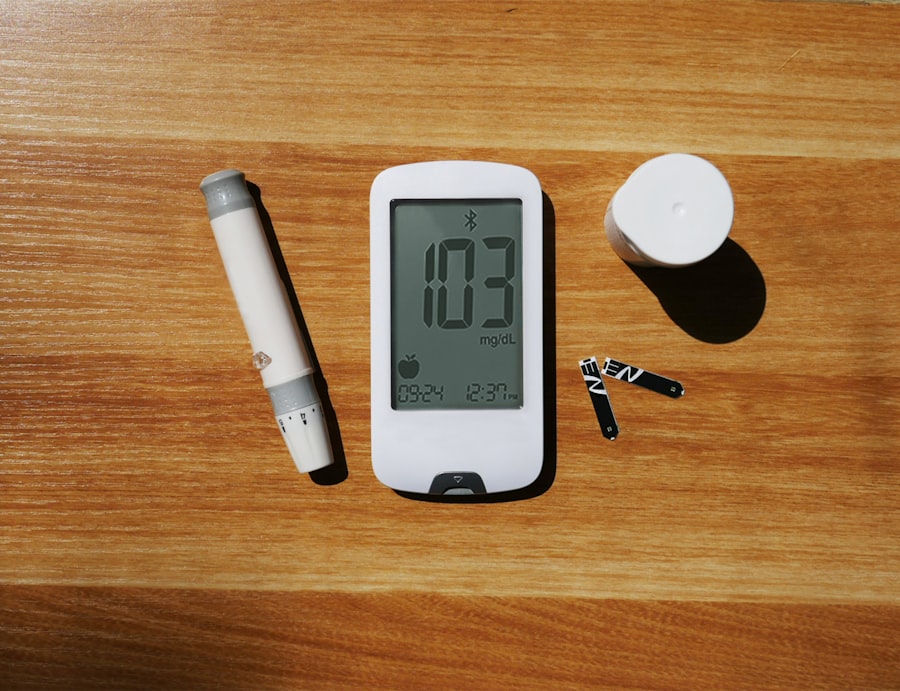
- Blood Glucose Levels: For individuals with concerns, periodic self-monitoring of fasting blood glucose can be informative.
- Lipid Profile: While typically assessed through a doctor’s visit, understanding baseline and subsequent lipid panels (HDL, LDL, triglycerides) provides crucial insights.
The journal can be used to record these measurements, allowing for a visual representation of progress over time.
Subjective Feedback and Self-Assessment
Beyond numbers, how one feels is a significant indicator of metabolic well-being. The journal prompts users to document their subjective experiences.
Reflecting on Daily Well-being:
- Energy Levels: Are energy levels more stable throughout the day? Are there fewer episodes of fatigue?
- Sleep Quality: Is sleep more restorative? Are there fewer awakenings during the night?
- Mood and Stress Resilience: Is there an improved ability to manage stress and a more positive outlook?
- Workout Performance: Are workouts feeling easier? Is there an increase in strength, endurance, or a greater capacity for effort?
These qualitative data points, when combined with objective measures, offer a comprehensive picture of metabolic improvement. The journal encourages users to look for congruent trends between objective and subjective data.
Adapting the Functional Fitness Program
Based on the gathered data, the journal facilitates informed adjustments to the fitness routine. This iterative process is key to continued progress and preventing overtraining or under-stimulation.
Recognizing Plateaus
Plateaus, periods where progress stalls, are a normal part of any training journey. The journal’s structured logging helps identify when these may be occurring.
Strategies for Breaking Plateaus:
- Varying Exercises: Introducing new movements or slightly altering existing ones.
- Changing Rep/Set Schemes: Shifting from higher reps with lower weight to lower reps with higher weight, or vice versa.
- Increasing Intensity: Incorporating techniques like tempo training or pause repetitions.
- Implementing Deload Weeks: Periods of reduced training volume and intensity to allow the body to recover and adapt.
The journal provides a space to plan and record these strategic interventions.
Nutritional Adjustments
Similarly, the journal helps identify if nutritional strategies need modification.
Signs That Nutritional Adjustments May Be Needed:
- Persistent fatigue despite adequate sleep.
- Lack of progress in body composition goals.
- Digestive issues.
- Blood sugar fluctuations that are not improving.
The journal encourages users to correlate caloric intake, macronutrient distribution, and meal timing with their perceived energy, performance, and objective markers.
In the pursuit of enhancing overall well-being, the Strength and Vitality Journal offers valuable insights on optimizing metabolic health through functional fitness. A related article that delves into the importance of social media in promoting health and wellness can be found at this link. By exploring how digital platforms can be leveraged to share fitness tips and success stories, readers can further understand the role of community in achieving their health goals.
Long-Term Maintenance and Holistic Well-being
| Metric | Description | Baseline Value | Target Value | Measurement Frequency |
|---|---|---|---|---|
| Resting Metabolic Rate (RMR) | Calories burned at rest to maintain vital functions | 1500 kcal/day | 1700 kcal/day | Monthly |
| VO2 Max | Maximum oxygen uptake during intense exercise | 35 ml/kg/min | 45 ml/kg/min | Quarterly |
| Body Fat Percentage | Proportion of fat mass relative to total body weight | 25% | 18% | Monthly |
| Muscle Mass | Total lean muscle weight | 60 kg | 68 kg | Monthly |
| Blood Glucose Levels | Fasting blood sugar concentration | 100 mg/dL | 85 mg/dL | Biweekly |
| Insulin Sensitivity | Body’s responsiveness to insulin | Moderate | High | Quarterly |
| Functional Fitness Score | Composite score of strength, balance, and endurance | 65/100 | 85/100 | Monthly |
| Energy Levels | Self-reported daily vitality and stamina | 6/10 | 9/10 | Weekly |
The Strength and Vitality Journal is more than a temporary tool; it is designed to foster sustainable habits that contribute to long-term metabolic health and overall vitality. This concluding section explores the principles of maintaining progress and integrating these practices into a holistic lifestyle.
Building Sustainable Habits
The consistent practice of logging workouts, nutrition, and reflections within the journal cultivates discipline and self-awareness. These are the cornerstones of lasting behavioral change. The journal encourages a mindset shift, moving from short-term goals to ingrained lifestyle patterns.
The Importance of Consistency Over Intensity
While intense workouts yield benefits, consistent, moderate effort over time often proves more sustainable and leads to greater long-term metabolic improvements. The journal’s structure supports this by encouraging regular, albeit not necessarily extreme, engagement.
Developing Intuitive Eating and Training
As users become more attuned to their bodies through journaling, they can begin to develop a more intuitive approach to both nutrition and training. This means listening to hunger cues, recognizing the body’s need for rest or an extra challenge, and making informed decisions without rigid adherence to external rules. The journal serves as a bridge to this intuitive understanding.
Integrating Mind-Body Connection
Metabolic health is not solely physical; it is deeply intertwined with mental and emotional well-being. The journal’s prompts for tracking mood, stress, and sleep are intended to foster a greater mind-body connection.
The Role of Mindfulness in Health
Mindfulness, the practice of present moment awareness without judgment, can be cultivated through journaling. By regularly reflecting on one’s physical and emotional state, individuals can become more attuned to stress signals, hunger cues, and the body’s overall responses, leading to healthier choices.
The Power of Purpose and Motivation
Understanding one’s “why” for pursuing metabolic health is crucial for sustained motivation. The journal can be used to document personal motivations, visualize desired outcomes, and celebrate small victories, which reinforces positive behaviors.
The Journey of Continuous Improvement
The Strength and Vitality Journal emphasizes that optimizing metabolic health is an ongoing journey, not a destination. Progress is rarely linear, and setbacks are opportunities for learning and growth.
Embracing Imperfection and Resilience
There will be days when workouts are missed, or dietary intentions are not fully met. The journal provides a safe space to acknowledge these moments without self-recrimination. The focus shifts to learning from these instances and re-engaging with the plan. This fosters resilience, a vital trait for long-term health success.
Lifelong Learning and Adaptation
As scientific understanding of metabolic health evolves, so too can the strategies employed. The journal encourages a posture of lifelong learning, prompting users to stay informed about new research and adapt their practices accordingly. This adaptability ensures that the pursuit of strength and vitality remains a dynamic and effective endeavor. The journal becomes a historical record of this evolutionary process, showcasing how one’s approach has matured over time.