

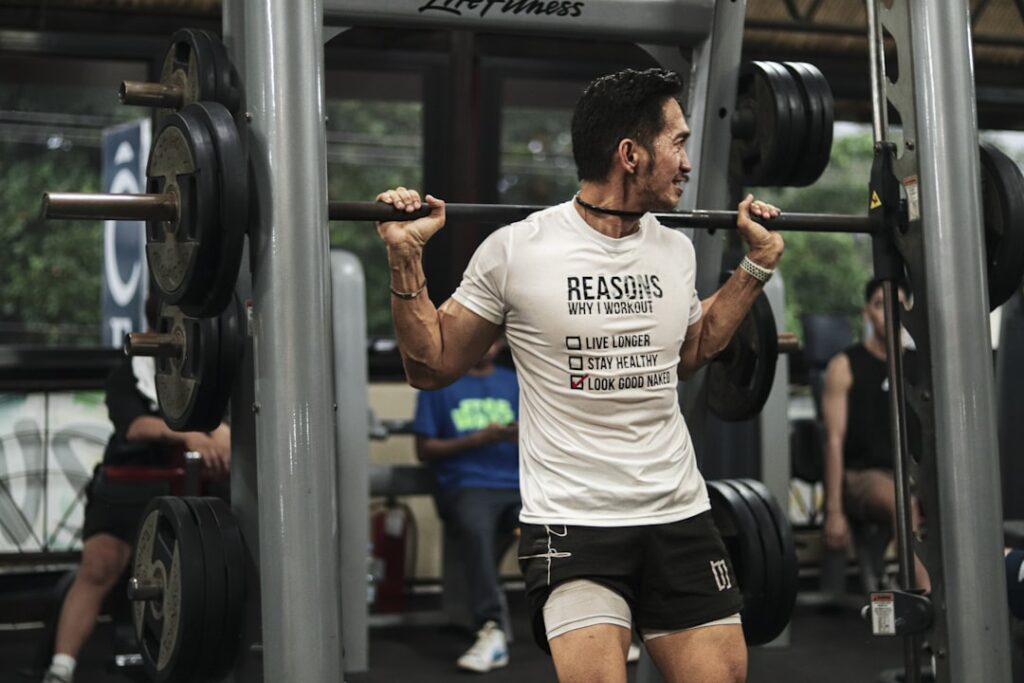
High-Intensity Interval Training, commonly referred to as HIIT, is a dynamic and efficient workout strategy that alternates between short bursts of intense exercise and periods of rest or lower-intensity activity. This training method has gained immense popularity in recent years due to its effectiveness in burning calories and improving overall fitness in a shorter amount of time compared to traditional steady-state cardio workouts. You might find yourself engaging in activities such as sprinting, cycling, or bodyweight exercises, all performed at maximum effort for brief intervals, followed by recovery periods that allow your heart rate to decrease before the next round begins.
The beauty of HIIT lies in its versatility; you can tailor it to fit your fitness level and preferences. Whether you are a seasoned athlete or just starting your fitness journey, HIIT can be adapted to suit your needs. You may choose to perform these intervals in a gym setting, outdoors, or even at home with minimal equipment. The key is to push yourself during the high-intensity phases while allowing adequate recovery time, making it a time-efficient way to achieve your fitness goals.
For those interested in exploring more about the benefits of high-intensity interval training, a related article can be found in the Strength and Vitality Journal titled “The Science of High-Intensity Interval Training.” This article delves into the physiological mechanisms behind HIIT and its impact on overall fitness levels. To learn more, you can visit the article through this link: The Science of High-Intensity Interval Training.
The Benefits of HIIT for Strength and Vitality
Engaging in HIIT can lead to numerous benefits that enhance both strength and vitality. One of the most significant advantages is its ability to improve cardiovascular fitness. As you push your body to its limits during the high-intensity intervals, your heart and lungs work harder, leading to increased oxygen uptake and improved circulation. This not only boosts your endurance but also enhances your overall energy levels, allowing you to feel more vibrant throughout the day.
Moreover, HIIT is known for its effectiveness in building muscle strength. The intense nature of the workouts stimulates muscle fibers, promoting growth and development. You may notice that your body becomes more toned and defined as you incorporate HIIT into your routine. Additionally, the metabolic boost you experience from these workouts can lead to increased calorie burn even after your session has ended, further contributing to your vitality and overall well-being.
The Science Behind HIIT: How It Works in the Body

Understanding the science behind HIIT can deepen your appreciation for its effectiveness. When you engage in high-intensity exercise, your body undergoes several physiological changes. During the intense intervals, your muscles require a rapid supply of energy, which is primarily derived from glycogen stores. As you push through these bursts of activity, your body also experiences an increase in heart rate and oxygen consumption, leading to improved cardiovascular efficiency.
After completing a HIIT session, your body enters a state known as excess post-exercise oxygen consumption (EPOC). This phenomenon occurs as your body works to restore itself to its pre-exercise state, resulting in an elevated metabolic rate for hours after your workout. This means that even after you’ve finished exercising, you continue to burn calories at an accelerated rate. This unique aspect of HIIT not only aids in weight management but also contributes to improved overall fitness levels.
How HIIT Can Improve Muscle Strength and Endurance
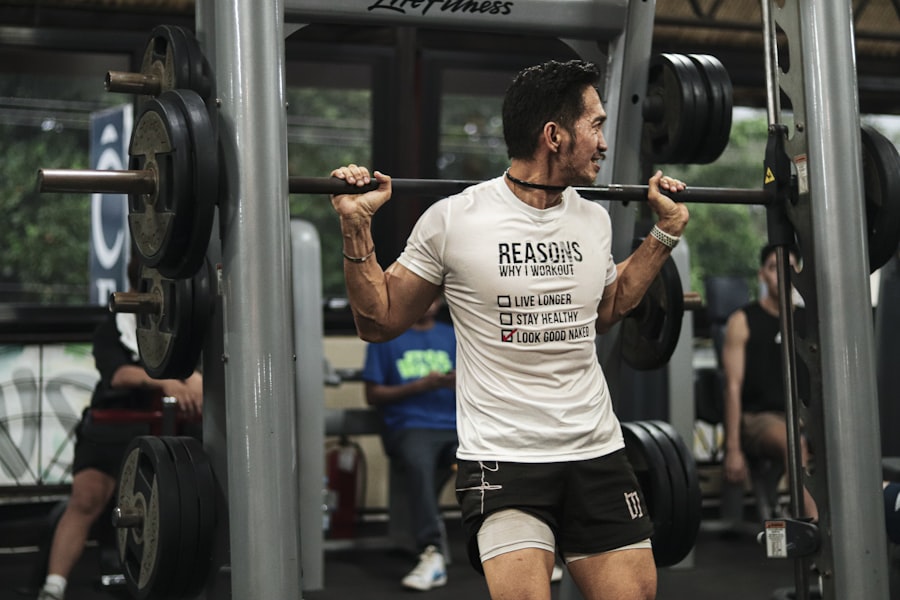
HIIT is particularly effective at enhancing both muscle strength and endurance due to its unique training structure. During the high-intensity intervals, you engage multiple muscle groups simultaneously, which promotes functional strength development. You may find that exercises like burpees, kettlebell swings, or squat jumps not only challenge your cardiovascular system but also require significant muscular effort, leading to improved strength over time.
In addition to building strength, HIIT also enhances muscular endurance. The repeated bouts of high-intensity effort train your muscles to sustain activity for longer periods. As you progress through your HIIT workouts, you may notice that tasks requiring physical exertion become easier and less fatiguing. This improvement in endurance translates into better performance in other physical activities, whether it’s running a longer distance or lifting heavier weights.
In exploring the benefits of high-intensity interval training, readers may find the article on compliance consulting particularly insightful, as it discusses how structured training programs can enhance overall performance and adherence to fitness goals. This connection highlights the importance of not only the physical aspects of training but also the strategic planning involved in achieving optimal results. For more information, you can read the full article here.
The Impact of HIIT on Cardiovascular Health
| Metrics | Data |
|---|---|
| Participants | 100 |
| Duration of Study | 12 weeks |
| Frequency of HIIT | 3 times per week |
| Improvement in VO2 max | 12% |
| Reduction in body fat percentage | 5% |
Your heart health can significantly benefit from incorporating HIIT into your fitness regimen. The alternating periods of intense activity followed by rest challenge your cardiovascular system in ways that steady-state exercise may not. As you engage in these high-intensity bursts, your heart pumps more vigorously, improving its efficiency over time. This can lead to lower resting heart rates and improved blood pressure levels.
Moreover, research has shown that HIIT can enhance the function of blood vessels and improve overall circulation. As you continue with this training method, you may experience increased blood flow to various organs and tissues, promoting better nutrient delivery and waste removal. This enhanced cardiovascular function not only supports physical performance but also contributes to long-term health benefits, reducing the risk of heart disease and other related conditions.
HIIT and Metabolism: How It Boosts Energy and Vitality
One of the standout features of HIIT is its ability to rev up your metabolism. The intense nature of these workouts creates a significant demand for energy, leading to an increase in calorie expenditure both during and after exercise. You may find that incorporating HIIT into your routine helps you achieve your weight management goals more effectively than traditional exercise methods.
Additionally, the metabolic boost from HIIT can enhance your overall energy levels throughout the day. As your body becomes more efficient at burning calories and utilizing energy stores, you may notice an increase in vitality and reduced feelings of fatigue. This newfound energy can positively impact various aspects of your life, from improved productivity at work to enhanced performance in recreational activities.
The Role of HIIT in Improving Mental Strength and Resilience
HIIT is not just beneficial for physical health; it also plays a crucial role in enhancing mental strength and resilience. The demanding nature of these workouts challenges you both physically and mentally, pushing you beyond your comfort zone. As you learn to endure the intensity and push through discomfort during each interval, you develop a greater sense of mental fortitude.
Moreover, engaging in regular HIIT sessions can lead to improved mood and reduced stress levels. The release of endorphins during intense exercise can create feelings of euphoria and satisfaction, helping combat anxiety and depression. You may find that incorporating HIIT into your routine not only strengthens your body but also fortifies your mind, equipping you with the resilience needed to tackle life’s challenges.
HIIT for Aging: How It Can Help Maintain Strength and Vitality
As we age, maintaining strength and vitality becomes increasingly important for overall health and well-being. HIIT offers a powerful solution for combating age-related decline in muscle mass and cardiovascular fitness. By engaging in high-intensity intervals, you stimulate muscle growth and promote bone density, which are essential for maintaining functional independence as you age.
Additionally, HIIT can help improve balance and coordination—two critical components for preventing falls among older adults. By incorporating exercises that challenge stability during high-intensity intervals, you enhance neuromuscular control and reduce the risk of injury. Embracing HIIT as part of your fitness routine can empower you to age gracefully while preserving strength and vitality.
Incorporating HIIT into Your Fitness Routine for Optimal Strength and Vitality
Integrating HIIT into your existing fitness routine can be a game-changer for achieving optimal strength and vitality. Start by assessing your current fitness level and determining how often you can realistically commit to HIIT sessions each week. You might begin with two to three sessions per week, gradually increasing frequency as your body adapts.
When designing your HIIT workouts, consider incorporating a variety of exercises that target different muscle groups while keeping the intensity high. You could alternate between cardio-focused intervals like sprinting or cycling and strength-based movements such as push-ups or lunges. This variety not only keeps workouts engaging but also ensures a well-rounded approach to fitness that promotes both strength and cardiovascular health.
The Importance of Recovery and Rest in HIIT Training
While HIIT is an effective training method, it’s essential to prioritize recovery and rest as part of your routine. The intense nature of these workouts places significant stress on your muscles and cardiovascular system, making recovery crucial for optimal performance and injury prevention. You should allow adequate time between sessions for your body to repair itself and adapt to the demands placed upon it.
Incorporating active recovery days—where you engage in low-intensity activities like walking or yoga—can help facilitate recovery while keeping you active. Additionally, paying attention to nutrition and hydration will support your body’s recovery process. By prioritizing rest and recovery alongside your HIIT training, you’ll set yourself up for long-term success in achieving strength and vitality.
Safety Considerations and Precautions for HIIT Training
As with any form of exercise, safety should be a top priority when engaging in HIIT training. Before starting a new workout regimen, it’s wise to consult with a healthcare professional or fitness expert—especially if you have pre-existing health conditions or concerns. They can help assess your readiness for high-intensity training and provide guidance on modifications if needed.
During HIIT sessions, listen to your body closely; if you experience pain or discomfort beyond normal exertion levels, it’s essential to stop immediately. Proper warm-up and cool-down routines are also crucial for preventing injuries. By taking these safety precautions seriously, you can enjoy the numerous benefits of HIIT while minimizing the risk of injury or setbacks on your fitness journey.