


Edge computing represents a paradigm shift in how data is processed, analyzed, and utilized. Unlike traditional cloud computing, which relies on centralized data centers, edge computing brings computation and data storage closer to the source of data generation. This proximity significantly reduces latency, enabling real-time data processing that is crucial for applications such as autonomous vehicles, smart cities, and industrial automation. By processing data at the edge of the network, organizations can respond to events almost instantaneously, enhancing operational efficiency and improving user experiences.
The importance of edge computing in real-time data processing cannot be overstated. As the volume of data generated by IoT devices continues to surge, the need for immediate analysis becomes paramount. Edge computing allows for the filtering and processing of data locally, sending only relevant information to the cloud for further analysis or storage. This not only alleviates bandwidth constraints but also minimizes the risk of data loss during transmission. In sectors like healthcare, where timely decisions can be life-saving, edge computing plays a critical role in ensuring that data is processed swiftly and accurately.
In exploring the intricacies of edge computing and its deployment strategies for real-time data, readers may find the article titled “Art Instruction Books: A Guide to the Best Resources” on The Cloud Architect’s Ledger particularly insightful. This piece delves into the importance of effective resource management, which parallels the need for optimized edge computing solutions in today’s data-driven landscape. For more information, you can read the article here: Art Instruction Books: A Guide to the Best Resources.
The Role of a Cloud Architect in Deploying Edge Computing for Real-Time Data
A cloud architect plays a pivotal role in the successful deployment of edge computing solutions tailored for real-time data processing. Their responsibilities encompass designing the architecture that integrates edge devices with cloud resources, ensuring seamless communication between them. This involves selecting appropriate technologies and platforms that can handle the specific requirements of real-time data applications. A cloud architect must also consider scalability, as the architecture should accommodate future growth in data volume and processing needs.
Moreover, a cloud architect must address various challenges associated with edge computing deployments. These include ensuring interoperability between different devices and systems, managing data consistency across distributed environments, and implementing robust security measures. By leveraging their expertise, cloud architects can create a cohesive strategy that aligns edge computing capabilities with organizational goals, ultimately enhancing the efficiency and effectiveness of real-time data processing.
Choosing the Right Edge Computing Infrastructure for Real-Time Data Processing
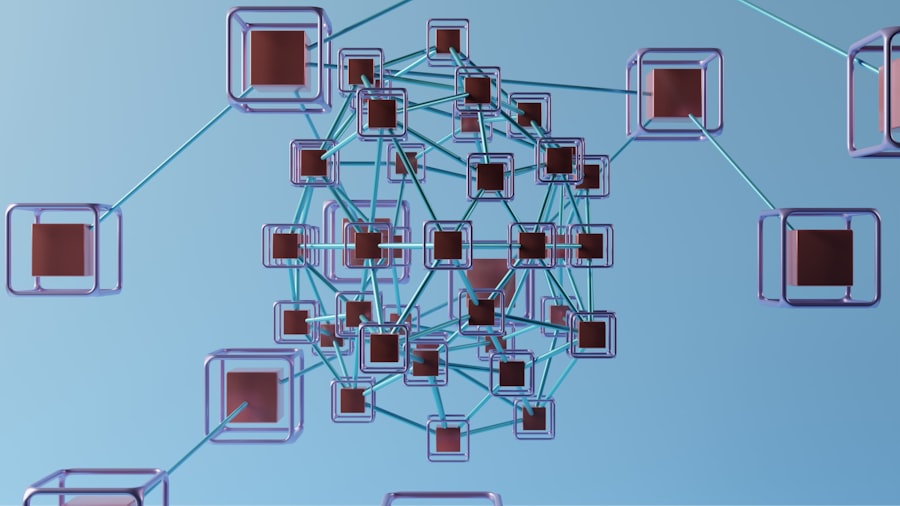
Selecting the appropriate edge computing infrastructure is crucial for optimizing real-time data processing capabilities. Organizations must evaluate various factors, including the types of applications they intend to run, the volume of data generated, and the required processing speed. Different edge computing solutions offer varying levels of performance, scalability, and cost-effectiveness. For instance, some organizations may benefit from deploying lightweight edge devices that can handle specific tasks, while others may require more robust systems capable of managing complex workloads.
In addition to hardware considerations, organizations must also assess software platforms that facilitate edge computing. These platforms should support real-time analytics and provide tools for managing data flow between edge devices and cloud environments. Furthermore, compatibility with existing IT infrastructure is essential to ensure a smooth integration process. By carefully evaluating these elements, organizations can establish a solid foundation for their edge computing initiatives, enabling them to harness the full potential of real-time data processing.
Ensuring Data Security and Privacy in Edge Computing Deployments

As organizations increasingly adopt edge computing solutions for real-time data processing, ensuring data security and privacy becomes a paramount concern. The distributed nature of edge computing introduces unique vulnerabilities that must be addressed to protect sensitive information. Organizations must implement robust security protocols that encompass both physical and digital safeguards. This includes encrypting data at rest and in transit, employing secure access controls, and regularly updating software to mitigate potential threats.
Moreover, compliance with regulatory standards is essential in maintaining data privacy. Organizations must be aware of relevant laws governing data protection, such as GDPR or HIPAA, and ensure that their edge computing deployments adhere to these regulations. This may involve implementing measures such as anonymizing personal data or obtaining explicit consent from users before collecting their information. By prioritizing security and privacy in their edge computing strategies, organizations can build trust with their customers while safeguarding their valuable data assets.
In exploring the intricacies of edge computing, a valuable resource to consider is an article on content marketing strategies that can enhance the deployment of real-time data solutions. This piece provides insights into how effective marketing can drive the adoption of innovative technologies like edge computing. For more information, you can read the article on content marketing strategies.
Optimizing Network Connectivity for Real-Time Data Transmission in Edge Computing
“`html
| Edge Computing Deployment Strategies | Real-Time Data |
|---|---|
| Edge Location | Yes |
| Latency Requirements | High |
| Bandwidth Usage | Low |
| Data Processing | On-site |
| Redundancy | High |
“`
Effective network connectivity is vital for the success of edge computing deployments focused on real-time data transmission. The performance of edge applications heavily relies on low-latency connections that facilitate rapid communication between edge devices and centralized systems. Organizations must assess their existing network infrastructure to identify potential bottlenecks that could hinder performance. Upgrading network components or adopting advanced technologies such as 5G can significantly enhance connectivity and support the demands of real-time applications.
In addition to improving physical connectivity, organizations should also consider implementing network management solutions that optimize traffic flow and prioritize critical data packets. Quality of Service (QoS) mechanisms can help ensure that time-sensitive information is transmitted without delay, while also managing bandwidth allocation effectively. By focusing on network optimization strategies, organizations can create a robust environment for real-time data processing at the edge, ultimately leading to improved operational outcomes.
In exploring the complexities of edge computing and its deployment strategies for real-time data, readers may find it beneficial to also consider the insights shared in a related article about social media content creation. This piece delves into how real-time data can enhance engagement and strategy in digital marketing, making it a valuable resource for those looking to optimize their edge computing applications. For more information, you can read the article on social media content creation.
Implementing Edge Computing for Real-Time Data Analytics and Decision-Making
The implementation of edge computing for real-time data analytics empowers organizations to make informed decisions swiftly. By processing data at the source, businesses can gain immediate insights into operations, customer behavior, and market trends. This capability is particularly beneficial in industries such as retail, where understanding customer preferences in real time can drive sales strategies and enhance customer experiences. With edge computing, organizations can analyze transactional data on-site, allowing them to adjust inventory levels or marketing tactics without delay.
Furthermore, real-time analytics facilitated by edge computing can enhance operational efficiency across various sectors. In manufacturing, for instance, predictive maintenance powered by real-time data analysis can identify equipment issues before they lead to costly downtimes. By leveraging machine learning algorithms at the edge, organizations can continuously monitor machinery performance and make proactive adjustments based on real-time insights. This not only reduces operational costs but also extends the lifespan of equipment through timely interventions.
Overcoming Challenges in Deploying Edge Computing for Real-Time Data Processing
Despite its numerous advantages, deploying edge computing for real-time data processing presents several challenges that organizations must navigate. One significant hurdle is managing the complexity of distributed systems. As organizations deploy multiple edge devices across various locations, ensuring consistent performance and reliability becomes increasingly difficult. Organizations must invest in comprehensive monitoring tools that provide visibility into device health and performance metrics to address this challenge effectively.
Another challenge lies in maintaining interoperability among diverse devices and platforms within an edge computing ecosystem. Organizations often utilize equipment from different manufacturers or legacy systems that may not seamlessly integrate with modern technologies. To overcome this obstacle, businesses should adopt open standards and protocols that facilitate communication between disparate systems. By fostering an environment of collaboration among devices and platforms, organizations can enhance the overall effectiveness of their edge computing deployments.
Integrating Edge Computing with Cloud and On-Premise Infrastructure for Real-Time Data
Integrating edge computing with existing cloud and on-premise infrastructure is essential for maximizing the benefits of real-time data processing. A hybrid approach allows organizations to leverage the strengths of both edge and cloud environments while addressing specific use cases effectively. For instance, critical applications requiring low latency can be processed at the edge, while less time-sensitive tasks can be handled by cloud resources for deeper analysis or long-term storage.
To achieve seamless integration, organizations must establish clear communication protocols between edge devices and cloud services. This may involve utilizing APIs or middleware solutions that facilitate data exchange between different environments. Additionally, organizations should consider implementing orchestration tools that automate workflows across edge and cloud infrastructures. By creating a cohesive ecosystem that integrates various components effectively, organizations can enhance their ability to process real-time data efficiently.
Best Practices for Monitoring and Managing Edge Computing Deployments for Real-Time Data
Effective monitoring and management are crucial for ensuring the success of edge computing deployments focused on real-time data processing. Organizations should implement comprehensive monitoring solutions that provide insights into device performance, network connectivity, and application health. These tools enable IT teams to identify potential issues proactively and take corrective actions before they impact operations.
In addition to monitoring tools, organizations should establish clear management protocols that outline responsibilities for maintaining edge devices and infrastructure. Regular maintenance schedules should be implemented to ensure devices are updated with the latest software patches and security measures. Furthermore, training staff on best practices for managing edge computing environments can enhance overall operational efficiency. By prioritizing monitoring and management strategies, organizations can optimize their edge computing deployments for real-time data processing.
Case Studies and Success Stories of Edge Computing Deployments for Real-Time Data
Numerous case studies illustrate the transformative impact of edge computing on real-time data processing across various industries. For example, a leading logistics company implemented an edge computing solution to monitor vehicle performance in real time. By analyzing telemetry data from trucks at the edge, they were able to optimize routes based on traffic conditions and vehicle health metrics. This resulted in significant cost savings through reduced fuel consumption and improved delivery times.
In another instance, a healthcare provider adopted edge computing to enhance patient monitoring capabilities within its facilities. By deploying IoT sensors connected to an edge platform, medical staff could receive immediate alerts regarding patient vitals without relying on centralized systems that could introduce delays. This implementation not only improved patient outcomes but also streamlined workflows within the hospital environment.
The Future of Edge Computing and its Impact on Real-Time Data Processing and Analysis
The future of edge computing holds immense potential for revolutionizing real-time data processing and analysis across industries. As technology continues to evolve, advancements in artificial intelligence (AI) and machine learning (ML) will further enhance the capabilities of edge devices. These technologies will enable more sophisticated analytics at the edge, allowing organizations to derive deeper insights from their data without relying solely on cloud resources.
Moreover, as 5G networks become more widespread, the speed and reliability of connections will significantly improve the performance of edge computing applications. This will facilitate even more complex use cases such as augmented reality (AR) experiences or autonomous systems that require instantaneous decision-making based on real-time data inputs. As organizations embrace these advancements, they will be better equipped to harness the power of real-time data processing through innovative edge computing solutions that drive efficiency and competitiveness in an increasingly digital world.