


The Creative Discovery Studio is a software platform designed to facilitate collaboration among geographically dispersed creative teams. Its architecture emphasizes real-time interaction, centralized asset management, and a structured workflow, aiming to streamline the creative process from ideation to final delivery. The platform addresses the challenges inherent in remote collaboration, such as communication breakdowns, version control issues, and the difficulty of maintaining a cohesive creative vision across different time zones and cultural contexts. The core philosophy behind The Creative Discovery Studio is to act as a digital connective tissue, allowing individuals to contribute their skills and perspectives seamlessly, irrespective of their physical location.
The Evolving Landscape of Creative Work
The nature of creative work has undergone significant transformation in recent decades. The rise of digital technologies and the increasing globalization of markets have led to a paradigm shift from localized studios to distributed teams. This shift has brought about new opportunities, enabling access to a wider talent pool and fostering diverse perspectives. However, it has also introduced a unique set of logistical and functional hurdles. Traditional in-person brainstorming sessions, for instance, are replaced by virtual meetings, and physical whiteboards are supplanted by digital canvases. The Creative Discovery Studio seeks to provide a robust digital environment that can effectively bridge these gaps.
Core Principles of the Platform
At its heart, The Creative Discovery Studio is built upon several foundational principles. Foremost among these is accessibility, ensuring that users with varying technical proficiencies can engage with the platform without significant barriers. Flexibility is another key tenet, allowing teams to customize workflows and adapt the tools to their specific creative disciplines, whether they are in graphic design, content creation, software development, or other fields. Transparency is maintained through shared project views and real-time updates, fostering trust and accountability. Finally, efficiency is achieved by minimizing redundancies and streamlining communication channels, allowing teams to focus on their creative output rather than administrative overhead.
Target Audience and Use Cases
The primary audience for The Creative Discovery Studio comprises organizations with distributed creative departments or those that frequently engage freelance talent across international borders. This includes advertising agencies, marketing firms, game development studios, film and television production companies, and product design teams. The platform is equipped to handle a wide range of creative projects, from conceptualizing advertising campaigns and developing multimedia content to designing user interfaces and illustrating children’s books. Its modular design allows for scalability, accommodating teams of various sizes and project complexities.
The Impact of Distributed Creative Teams
The shift towards distributed creative teams is not merely a logistical convenience; it is increasingly a strategic imperative. Companies can tap into specialized talent pools that may not be available locally, leading to higher quality outcomes and innovative solutions. Exposure to diverse cultural backgrounds can enrich creative output, making it more relevant and appealing to a global audience. However, managing these distributed efforts requires tools that go beyond basic communication. It demands a shared understanding of project goals, a unified approach to asset management, and the ability to maintain creative momentum across time zones. The Creative Discovery Studio is engineered to meet these specific demands.
In exploring the dynamics of collaborative creativity, an insightful article titled “Coaching Services for Enhanced Team Collaboration” can provide valuable perspectives on how to optimize teamwork in creative environments. This resource delves into various coaching methodologies that can empower global creative teams to harness their collective strengths effectively. For more information, you can read the article here: Coaching Services for Enhanced Team Collaboration.
Platform Architecture and Key Features
The Creative Discovery Studio is built on a cloud-native architecture, ensuring scalability, reliability, and accessibility from any internet-connected device. This foundation allows for real-time synchronization of data and updates, a critical component for effective remote collaboration. The platform is designed to be modular, allowing teams to activate and utilize specific features as needed, thereby avoiding feature bloat and maintaining a streamlined user experience.
Real-Time Collaboration Engine
At the core of the platform lies its real-time collaboration engine. This system enables multiple users to work on the same document, canvas, or asset simultaneously. Changes made by one user are instantly reflected for all other collaborators. This feature is akin to a shared digital workshop where everyone can see the work in progress, comment, and make edits without the need for constant file sharing or merging.
Concurrent Editing Capabilities
The concurrent editing functionality supports various file types, from text documents and spreadsheets to design files and code. This means a writer can simultaneously edit a script while a graphic designer makes adjustments to a storyboard, with both sets of changes appearing in real-time. This eliminates the delays and potential conflicts that arise from sequential editing and feedback loops.
Integrated Communication Tools
Within the platform, a suite of integrated communication tools is provided. This includes real-time chat, video conferencing capabilities, and thread-based commenting directly on assets. These tools are context-aware, meaning comments and discussions are linked to specific elements within a project, providing a clear audit trail and reducing the need for external communication platforms that can fragment project context.
Centralized Asset Management System
A robust asset management system is crucial for any creative endeavor, especially when dealing with distributed teams. The Creative Discovery Studio offers a centralized repository for all project-related files, including mockups, drafts, final assets, and supporting documentation. This ensures that every team member has access to the latest versions of files and that there is a single source of truth, preventing the confusion and wasted time associated with disparate file storage solutions.
Version Control and History Tracking
The platform incorporates advanced version control mechanisms. Every modification made to an asset is logged, creating a comprehensive history. Users can easily revert to previous versions if necessary or compare different iterations to track progress and identify key decision points. This acts as a safety net, safeguarding against accidental data loss or the introduction of errors.
Asset Tagging and Search Functionality
To facilitate efficient retrieval of assets, the system includes robust tagging and search functionalities. Users can categorize files with custom tags, keywords, and project metadata. The powerful search engine allows for quick discovery of specific assets based on various criteria, reducing the time spent searching for needed resources.
Workflow Management and Task Assignment
The Creative Discovery Studio provides tools to define, manage, and track creative workflows. Project managers can break down projects into smaller tasks, assign them to individual team members or groups, and set deadlines. This structured approach brings order to the creative chaos and ensures that all components of a project are accounted for and progressed in a timely manner.
Customizable Project Pipelines
Teams can create customized project pipelines that reflect their unique creative processes. This could involve stages such as ‘Ideation’, ‘Drafting’, ‘Review’, ‘Approval’, and ‘Finalization’. Each stage can be configured with specific requirements and automated notifications to move tasks forward.
Automated Notifications and Reminders
To keep projects on track, the platform includes automated notification systems. Team members receive alerts for assigned tasks, upcoming deadlines, and updates to projects they are involved in. This proactive communication helps prevent bottlenecks and ensures that everyone is aware of their responsibilities and the project’s status.
Enhancing Ideation and Conceptualization
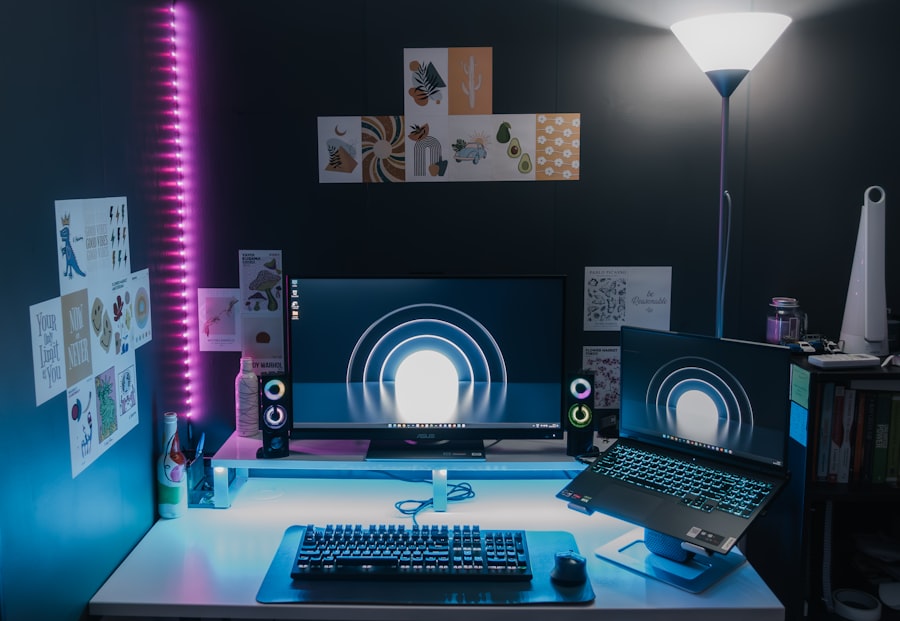
The initial stages of any creative project are often the most fluid and unpredictable. The Creative Discovery Studio offers features designed to foster an environment where ideas can be freely shared, explored, and refined, even among team members who may never have met in person. This is achieved through digital tools that mimic and enhance the collaborative brainstorming process.
Digital Whiteboarding and Mood Boards
The platform includes dynamic digital whiteboards that can be used for real-time sketching, mind-mapping, and visual brainstorming. These boards are shareable and allow multiple users to contribute simultaneously, much like a physical whiteboard but with the added benefits of saving and revisiting sessions. Alongside this, mood board creation tools enable teams to collaboratively curate visual inspiration, gathering images, color palettes, and typographic elements to define the aesthetic direction of a project.
Collaborative Sketching and Annotation
Users can collectively sketch out initial concepts, annotate existing ideas, and provide visual feedback. This visual dialogue allows for a deeper and more intuitive understanding of nascent concepts than text-based communication often permits. Annotations can be general or specific, pointing out elements of a sketch or suggesting modifications.
Idea Voting and Prioritization Features
To help teams move from broad ideation to actionable concepts, the platform incorporates features for idea voting and prioritization. Team members can vote on submitted ideas, and facilitators can use these results, combined with their own judgment, to identify the most promising directions to pursue. This democratic approach ensures that diverse perspectives are considered.
Mind Mapping and Flowchart Tools
For more structured conceptualization, the platform provides integrated mind mapping and flowchart tools. These allow teams to visually map out relationships between ideas, outline user journeys, or define complex processes. The ability to collaborate on these structures in real-time ensures that the team develops a shared understanding of the project’s architecture and logic.
Relationship Mapping and Hierarchical Organization
Users can create hierarchical structures for ideas, allowing for the systematic organization of thoughts and information. This is particularly useful for planning content strategies, defining feature sets for software, or outlining narrative arcs. The visual representation of these relationships aids in identifying gaps or redundancies.
User Journey Mapping and Process Visualization
For projects involving user interaction, such as website or application design, dedicated tools for user journey mapping are available. Teams can collaboratively map out the steps a user takes, identifying pain points and opportunities for improvement. Similarly, process visualization tools help in understanding and optimizing complex workflows.
Iteration, Feedback, and Prototyping

Once initial concepts have taken shape, the creative process moves into a phase of refinement and iteration. The Creative Discovery Studio provides tools that streamline the process of sharing work, gathering feedback, and developing prototypes, ensuring that projects are continuously improved based on constructive input.
Design Review and Annotation Tools
The platform offers specialized tools for design reviews. Users can upload design mockups, wireframes, or other visual assets, and collaborators can provide specific feedback directly on the design. This includes placing pins on particular elements, writing comments, and marking issues as resolved. This contextual feedback loop is far more efficient than email chains with file attachments.
Granular Feedback Mechanisms
The granularity of feedback is a key strength. Instead of general comments on an entire image, users can point to a specific button, a line of text, or a color swatch. This precision minimizes ambiguity and allows designers to address feedback with greater accuracy and speed.
Markup and Redlining Capabilities
Beyond simple annotations, the platform often includes markup and redlining capabilities. This allows reviewers to draw directly on the visual design, suggesting changes to layout, size, or placement. These visual suggestions provide a clear directive for revisions.
Prototyping Integration and Collaboration
The Creative Discovery Studio often integrates with or includes basic prototyping tools. This allows teams to transform static designs into interactive prototypes that can be shared with stakeholders for testing and feedback. The ability to iterate on prototypes based on user testing is a critical step in ensuring a successful final product.
Interactive Wireframe and Mockup Creation
Teams can use integrated tools to create interactive wireframes or transform static mockups into clickable prototypes. This goes beyond static visuals, allowing for the simulation of user flows and interaction patterns.
Usability Testing Facilitation
The platform can facilitate usability testing by allowing teams to share prototypes with test users and collect feedback. This feedback can then be directly incorporated into the iteration cycle, guided by the platform’s feedback and annotation tools.
Version Comparison and Change Tracking
When iterating on designs or content, it is crucial to track changes and compare different versions. The Creative Discovery Studio provides visual comparison tools that highlight the differences between two versions of an asset. This helps in understanding the evolution of the work and ensures that no unintended changes have been introduced.
Side-by-Side and Overlay Comparisons
Users can often choose between side-by-side views of two versions or an overlay view that highlights the differences with color coding. This visual comparison makes it easy to spot modifications and track the impact of revisions.
Approval Workflows and Sign-offs
To formalize the feedback and iteration process, approval workflows can be implemented. Stakeholders can be designated as reviewers, and their approval or rejection of an asset can be formally recorded within the platform. This streamlines the sign-off process and provides clear documentation.
In exploring the dynamics of teamwork in creative environments, an insightful article titled Collaborative Strategies for Innovative Teams delves into the importance of effective communication and shared tools among global creative teams. This piece complements the themes discussed in The Creative Discovery Studio, highlighting how collaboration can enhance creativity and drive project success across diverse cultures and time zones. By understanding these strategies, teams can better navigate the challenges of remote collaboration while fostering a more inclusive and productive creative process.
Project Management and Team Coordination
| Metric | Description | Value | Unit |
|---|---|---|---|
| Number of Global Users | Total active users collaborating worldwide | 12,500 | Users |
| Average Collaboration Sessions per Week | Number of team collaboration sessions held weekly | 850 | Sessions |
| Project Completion Rate | Percentage of projects completed on time using the studio tools | 92 | % |
| Average Time Saved per Project | Reduction in project time due to collaborative tools | 15 | Hours |
| Supported Languages | Number of languages supported for global collaboration | 18 | Languages |
| Integration with Other Tools | Number of third-party creative and productivity tools integrated | 25 | Tools |
| User Satisfaction Rate | Percentage of users satisfied with the collaborative experience | 89 | % |
Beyond the creative aspects, managing a distributed team requires robust project management and coordination tools. The Creative Discovery Studio aims to provide a unified environment where project timelines, resources, and team responsibilities are clearly defined and actively managed.
Task Management and Delegation
The platform allows for the creation of detailed task lists, assigning responsibilities to individual team members, and setting deadlines. This ensures clarity on who is doing what and by when, acting as a central nervous system for project execution.
Kanban Boards and Scrum Integration
Many creative projects benefit from agile methodologies, and the platform often supports this with features like Kanban boards. These visual boards allow teams to track tasks through various stages of completion, providing a clear overview of project progress and potential bottlenecks. Integration with Scrum frameworks may also be offered for teams adopting that methodology.
Resource Allocation and Capacity Planning
For larger projects or studios managing multiple initiatives, the ability to allocate resources and plan team capacity is essential. The platform may offer tools to visualize team workload and identify potential over- or under-allocation, enabling better project planning and resource management.
Calendar and Timeline Views
A clear visual representation of project timelines and key milestones is crucial for effective coordination. The Creative Discovery Studio provides integrated calendar and timeline views that allow teams to see upcoming deadlines, scheduled events, and the overall project roadmap.
Gantt Charts and Project Roadmaps
Gantt charts are a common tool for visualizing project schedules and dependencies. The platform may offer dynamic Gantt chart functionality, allowing teams to adjust timelines and see how changes impact other tasks. Project roadmaps provide a higher-level strategic overview, outlining key phases and objectives.
Stakeholder Schedule Synchronization
For projects requiring frequent interaction with external stakeholders, the platform might offer features to synchronize schedules or suggest optimal meeting times across different time zones, minimizing communication friction.
Performance Monitoring and Reporting
To ensure projects are progressing as planned, the platform provides tools for monitoring team performance and generating reports. This data can inform decision-making and identify areas where additional support or process adjustments may be needed.
Progress Tracking and Bottleneck Identification
By analyzing task completion rates and identifying tasks that are consistently delayed, project managers can quickly pinpoint bottlenecks in the creative workflow. This allows for proactive intervention to keep the project on track.
Customizable Report Generation
The platform may offer the ability to generate customizable reports on project status, team productivity, and resource utilization. These reports can be tailored to the needs of different stakeholders, from team leads to executive management.
Security, Scalability, and Integration
As a digital platform handling sensitive creative assets and proprietary information, security is a paramount concern. The Creative Discovery Studio is built with robust security measures to protect data. Furthermore, its cloud-native architecture ensures it can scale to meet the demands of projects of any size, and its integration capabilities allow it to work seamlessly with other tools in a creative team’s existing tech stack.
Data Security and Access Control
The platform employs industry-standard security protocols to protect user data. This includes encryption of data in transit and at rest, regular security audits, and granular access control mechanisms. User permissions can be defined at various levels, ensuring that individuals only have access to the information they need to perform their roles.
Role-Based Permissions
Access to different modules, projects, and specific assets can be configured based on user roles. For instance, a junior designer might have editing access to certain files, while a project manager has oversight of all project elements, and a client might only have view-only access.
Audit Trails and Activity Logging
Comprehensive audit trails are maintained, logging all user activities within the platform. This provides a transparent record of who did what and when, which is crucial for accountability and for investigating any security incidents.
Cloud-Native Scalability
The platform’s architecture is designed to be inherently scalable. As team sizes grow or project demands increase, the underlying infrastructure can be dynamically adjusted to accommodate the load without compromising performance. This eliminates the need for teams to invest in and manage their own server infrastructure.
Elastic Resource Allocation
Cloud-native design allows for elastic resource allocation, meaning computing power and storage can be provisioned and de-provisioned automatically based on demand. This ensures that the platform remains responsive even during peak usage periods.
Global Accessibility and Reliability
Being cloud-hosted means the platform is accessible from anywhere in the world with an internet connection. This global accessibility is fundamental to its purpose of supporting distributed teams. High availability and disaster recovery measures are also typically put in place to ensure continuous operation.
Integration with Third-Party Tools
Recognizing that creative teams often use a variety of specialized software, The Creative Discovery Studio is designed to integrate with popular third-party applications. This allows teams to leverage their existing tools while still benefiting from the collaborative features of the platform.
API Access and Webhooks
For custom integrations, the platform may offer Application Programming Interfaces (APIs) and webhooks. This allows developers to build custom connections between The Creative Discovery Studio and other software, automating workflows and data transfer.
Common Creative Software Connectors
Integrations with popular design software (e.g., Adobe Creative Suite), project management tools (e.g., Jira, Asana), and communication platforms (e.g., Slack) are often provided out-of-the-box. This enables a seamless flow of information between different parts of a team’s digital ecosystem. For example, a design change in Photoshop could automatically update a task status in The Creative Discovery Studio, or a completed design could be automatically shared to a Slack channel. This interconnectedness reduces manual data entry and streamlines the overall project lifecycle.