

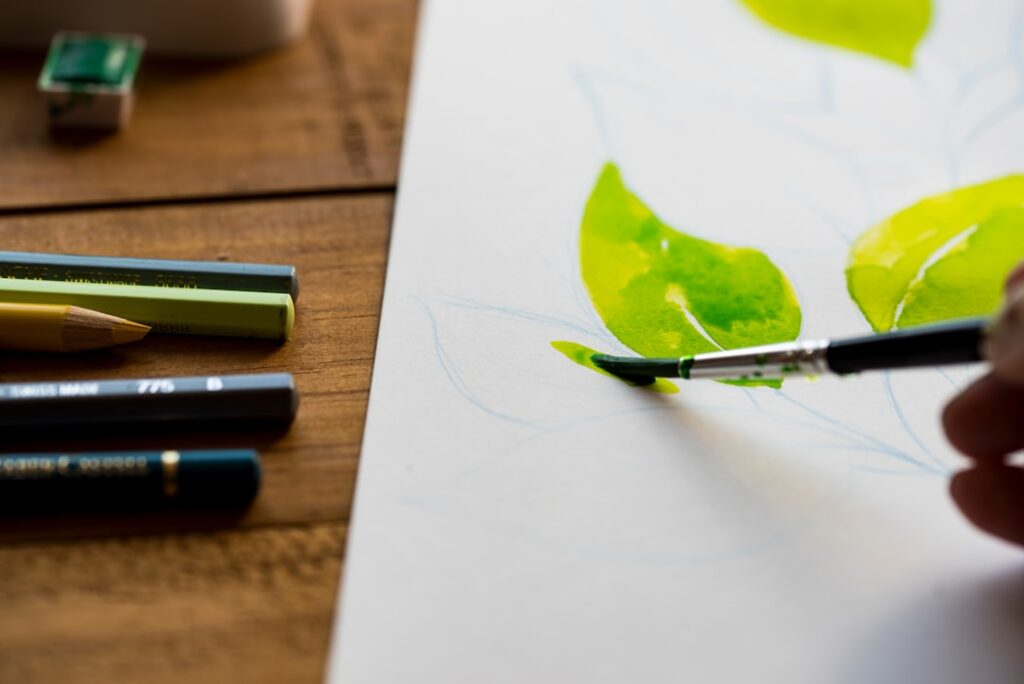
The concept of a “Creative Discovery Studio” as outlined in “How to Build a Sustainable Creative Practice” (hereafter referred to as “the Studio”) proposes a framework for individuals to cultivate and maintain a consistent and productive creative output. It is not a physical location in the traditional sense, but rather a mental and procedural construct. The Studio serves as a dedicated space and set of practices designed to foster exploration, experimentation, and the development of skills necessary for sustained artistic, intellectual, or professional endeavors. It emphasizes the deliberate creation of an environment conducive to creative flow and the implementation of routines that support long-term engagement with creative work.
The Core Philosophy
The foundational principle of the Studio is that creativity is not solely an innate gift but a skill that can be nurtured and developed through consistent effort and intentional practice. This approach moves away from the romanticized notion of the muse appearing spontaneously and instead advocates for a disciplined, yet flexible, approach to creative work. The Studio is presented as a system for navigating the inherent challenges of creative pursuits, such as procrastination, self-doubt, and creative blocks. It recognizes that the journey of creation is often cyclical, involving periods of intense focus interspersed with moments of reflection and recalibration.
Cultivating a Mindset of Exploration
A key aspect of the Studio’s philosophy is the encouragement of an open and inquisitive mindset. This involves approaching creative projects with a sense of curiosity, similar to a scientist setting out to explore a new phenomenon. It means being willing to venture into uncharted territory, to experiment with different approaches, and to learn from both successes and failures. The Studio suggests that this exploratory mindset acts as a fertile ground for novel ideas, preventing creative stagnation.
Embracing Experimentation
The Studio advocates for a deliberate embrace of experimentation. This is not about random guesswork but about thoughtful testing of ideas, techniques, and mediums. It encourages the creator to view each project as an opportunity to learn something new, regardless of the final outcome. This mindset reduces the pressure to produce a masterpiece with every attempt, allowing for more freedom and risk-taking.
De-stigmatizing Failure
Within the Studio framework, failure is reframed not as an endpoint but as an integral part of the learning process. It is seen as data, providing valuable insights into what works and what doesn’t. This perspective liberates the creator from the paralyzing fear of not being “good enough,” paving the way for more courageous creative choices.
Designing Your Personal Studio Space
The physical or digital environment in which creative work is undertaken plays a significant role in its efficacy. The Studio concept emphasizes the importance of tailoring this space to optimize for focus, inspiration, and workflow. It is not about creating a sterile, immaculately organized void, but rather a personalized sanctuary that supports the individual creator’s needs and preferences.
The Physical Sanctuary
For some, the Studio translates to a dedicated physical space. This could be a corner of a room, a separate studio, or even a particular café. The key is that this space is consciously designated for creative work, signaling to the brain that it is time to engage in this activity.
Minimizing Distractions
A primary consideration for a physical Studio is the minimization of external distractions. This might involve decluttering the workspace, managing noise levels, and setting boundaries with others. The goal is to create an environment where concentration can flourish.
Infusing Inspiration
Beyond functionality, the physical Studio can also be a source of inspiration. Incorporating elements that resonate with the creator, such as art, books, music, or natural light, can enhance the creative atmosphere. This is akin to a gardener carefully selecting plants for their visual appeal and thematic coherence.
The Digital Workspace
In an increasingly digital world, the Studio can also manifest as a carefully curated digital environment. This involves organizing files, utilizing specific software, and establishing digital routines that support creative output.
Streamlining Workflow
Digital tools can significantly streamline creative workflows. The Studio suggests identifying and using software and applications that enhance efficiency, such as project management tools, note-taking apps, or specialized creative suites.
Managing Digital Clutter
Just as with a physical space, digital clutter can impede creative progress. The Studio encourages strategies for organizing files, managing digital assets, and maintaining a clean and accessible digital workspace.
Establishing Rhythmic Practices
The sustainable aspect of the Creative Discovery Studio is largely built upon the implementation of consistent and deliberate practices. These are routines that, over time, become habitual and form the bedrock of a productive creative life. The goal is to make creative engagement less of an event and more of an ongoing process.
The Power of Routine
The Studio advocates for the establishment of regular creative routines. This doesn’t mean rigid scheduling, but rather a consistent commitment to dedicating time for creative work. Such routines act as a gentle nudge, preventing creative tasks from being indefinitely postponed.
Time Blocking or Scheduling
A common practice within the Studio is time blocking or scheduling dedicated creative sessions. This involves allocating specific periods throughout the day or week for focused creative activity. The duration and frequency of these blocks can be adjusted based on the individual’s energy levels and commitments.
The Daily Creative Ritual
Beyond structured sessions, the Studio may involve establishing a brief, daily creative ritual. This could be as simple as writing for ten minutes, sketching a quick idea, or listening to an inspiring piece of music before commencing other work. These small, consistent actions build momentum.
Bridging the Gap: From Idea to Action
A significant challenge for many creators is translating nascent ideas into tangible work. The Studio provides strategies for bridging this gap, ensuring that inspiration translates into progress.
Idea Capture and Development
The Studio emphasizes the importance of a system for capturing ideas as they arise. This could involve a notebook, a digital note-taking app, or voice memos. Crucially, the Studio then encourages a process for developing these captured ideas, nurturing them from initial sparks into more fully formed concepts.
Stages of Project Progression
The Studio suggests understanding creative projects as having distinct stages of progression. This allows for a more methodical approach, breaking down large undertakings into manageable steps. This is akin to navigating a complex journey, where each segment is clearly defined before embarking on the next.
Navigating the Creative Landscape
The journey of sustained creativity is rarely a smooth, upward trajectory. The Creative Discovery Studio acknowledges this reality and provides strategies for navigating the inevitable challenges and maintaining momentum.
Combating Creative Blocks
Creative blocks are a common adversary. The Studio offers methods for identifying the root causes of these blocks and implementing strategies to overcome them. This might involve shifting perspective, taking a break, or engaging in different forms of creative activity.
Active Recovery from Blocks
Rather than waiting for inspiration to return, the Studio encourages active recovery. This could involve the use of specific brainstorming techniques, engaging in “freewriting,” or intentionally exploring unrelated subjects to spark new connections.
Reframing Stagnation
Stagnation can be mistaken for a complete lack of creativity. The Studio suggests reframing these periods as potential opportunities for consolidation, reflection, or the acquisition of new knowledge that will later fuel creative endeavors.
The Importance of Self-Care and Renewal
Sustaining a creative practice is a marathon, not a sprint. The Studio highlights the essential role of self-care in preventing burnout and ensuring long-term creative health.
Recharging the Creative Well
Just as a well needs to be replenished, the creative spirit requires nourishment. The Studio advocates for activities that recharge the creator’s energies, both physically and mentally. This could include engaging with nature, pursuing hobbies outside of one’s primary creative field, or simply resting.
Mindful Breaks and Rest
The Studio emphasizes the value of intentional breaks. These are not merely periods of inactivity but opportunities for the mind to wander, to process information, and to return to creative tasks with renewed vigor. This is like allowing soil to lie fallow for a season to regain its fertility.
Seeking and Integrating Feedback
Feedback is a crucial element in the growth of any creative practice. The Studio outlines how to approach feedback effectively, using it as a tool for improvement without compromising creative integrity.
Constructive Criticism
The Studio encourages seeking constructive criticism from trusted sources. This involves presenting work to individuals who can offer insightful and helpful feedback, rather than simply seeking validation.
Objective Evaluation
Learning to evaluate one’s own work objectively is a vital skill. The Studio suggests developing a critical eye, allowing for the identification of areas for improvement and the recognition of strengths. This is akin to a craftsman inspecting their work for flaws before presenting it to the public.
The Evolving Studio: Adapting and Growing
The Creative Discovery Studio is not a static entity but a dynamic framework that should evolve alongside the creator. As skills develop and projects change, the Studio itself must adapt to remain effective.
Continuous Learning and Skill Development
A sustainable creative practice requires a commitment to ongoing learning. The Studio encourages the creator to actively seek out new knowledge, techniques, and perspectives that can enrich their work.
Exploring New Mediums and Tools
The Studio promotes the exploration of new mediums and tools. This can broaden creative horizons and prevent the work from becoming repetitive. Experimentation with different art supplies, software, or creative writing forms can lead to unexpected discoveries.
Deepening Existing Skills
While exploring new avenues is important, the Studio also emphasizes the value of deepening existing skills. Mastery in a chosen craft provides a strong foundation and allows for greater nuance and expression.
Reflecting and Iterating on the Studio Design
Regular reflection on the effectiveness of the Studio’s components is crucial. The Studio should be a living system, adjusted as needed to better serve the creator’s evolving needs.
Periodic Review of Practices
The Studio encourages periodic review of established practices. Are the routines still serving their purpose? Are there areas where more efficiency or effectiveness could be achieved? This iterative process ensures the Studio remains relevant.
Adapting to Life Changes
Life is not always predictable, and creative practices must be adaptable. The Studio acknowledges that external factors, such as changes in personal circumstances or professional goals, may necessitate adjustments to the Studio’s structure and routines. This flexibility is key to long-term sustainability.