

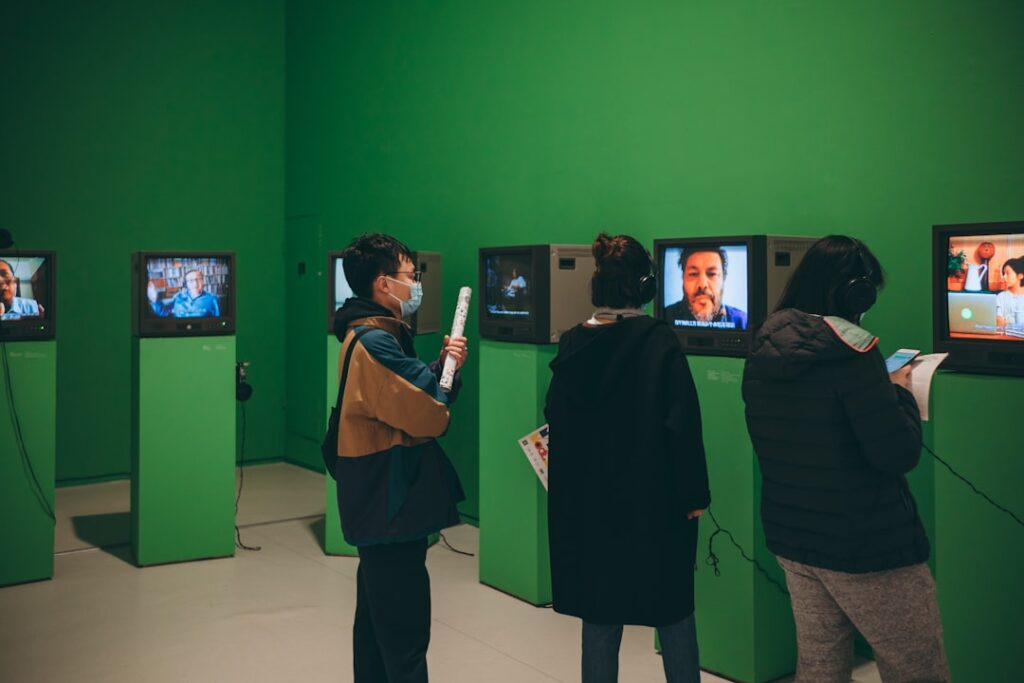
In a world increasingly driven by technology, the Creative Discovery Studio stands as a beacon of innovation and imagination. This unique space invites you to explore the boundaries of creativity, where ideas come to life through interactive media. Here, you can engage with various forms of artistic expression, from digital art to immersive storytelling, all designed to inspire and challenge your perceptions. The studio serves as a collaborative environment, encouraging you to experiment and push the limits of your creativity while harnessing the power of technology.
As you step into the Creative Discovery Studio, you are greeted by an atmosphere buzzing with energy and possibility. The walls are adorned with vibrant displays of digital art, and interactive installations beckon you to participate. This is not just a place for passive observation; it is a dynamic hub where you can actively engage with the creative process. Whether you are an artist, a technologist, or simply someone with a passion for exploration, the studio offers a platform for you to connect with like-minded individuals and share your ideas. It is here that the seeds of innovation are sown, and the future of interactive media begins to take shape.
In exploring the innovative landscape of interactive media, an insightful article that complements the themes discussed in “The Creative Discovery Studio: Navigating the Future of Interactive Media” is available at this link. It delves into the intersection of technology and creativity, highlighting how various industries are adapting to new digital paradigms. For more information, you can read the article here: Nutritional Supplement Consulting.
The Evolution of Interactive Media
Interactive media has undergone a remarkable transformation over the years, evolving from simple text-based interfaces to complex, immersive experiences that captivate audiences worldwide. You may recall the early days of video games and multimedia presentations, where interactivity was limited and often clunky. However, as technology advanced, so too did the possibilities for engagement. The introduction of graphics, sound, and user-friendly interfaces revolutionized how you interact with digital content, paving the way for a new era of storytelling and artistic expression.
Today, interactive media encompasses a wide range of formats, including virtual reality (VR), augmented reality (AR), and interactive installations. These innovations have redefined your expectations of what media can achieve. You are no longer just a passive consumer; instead, you have become an active participant in the narrative. This shift has opened up new avenues for creativity, allowing artists and storytellers to craft experiences that resonate on a deeper level. As you navigate this evolving landscape, you will find that interactive media continues to push boundaries and challenge conventions, inviting you to explore new dimensions of engagement.
Exploring the Role of Technology in Interactive Media

Technology plays a pivotal role in shaping the landscape of interactive media. As you delve into this realm, you will discover how advancements in hardware and software have enabled creators to develop more sophisticated and engaging experiences. From high-definition graphics to real-time rendering, technology has transformed the way you perceive and interact with digital content. The integration of artificial intelligence (AI) and machine learning has further enhanced these experiences, allowing for personalized interactions that adapt to your preferences and behaviors.
Moreover, the rise of mobile devices has democratized access to interactive media, enabling you to engage with content anytime and anywhere. With just a smartphone or tablet in hand, you can immerse yourself in a world of creativity that was once confined to specialized environments. This accessibility has empowered creators to reach broader audiences and foster connections across diverse communities. As you explore the role of technology in interactive media, you will come to appreciate how it serves as both a tool and a canvas for artistic expression, enabling you to create and experience in ways previously unimaginable.
The Importance of Creativity in Interactive Media
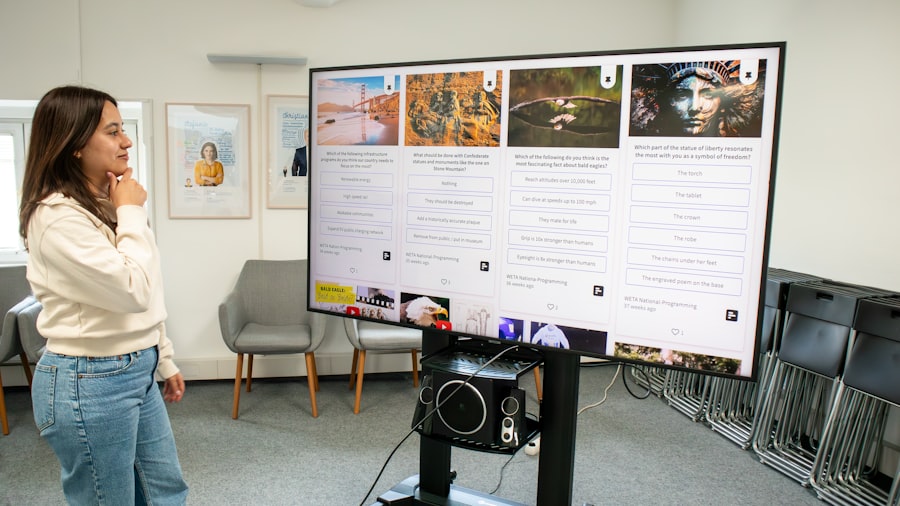
Creativity lies at the heart of interactive media, driving innovation and inspiring new forms of expression. As you engage with this medium, you will find that it encourages you to think outside the box and embrace experimentation. The fluidity of interactive media allows for a unique blend of artistic disciplines—visual art, music, storytelling, and design—inviting you to explore your creative potential in ways that traditional media may not allow. This interdisciplinary approach fosters collaboration among artists, technologists, and storytellers, resulting in rich and diverse experiences.
In this ever-evolving landscape, your creativity is not just an asset; it is essential for pushing the boundaries of what is possible. As you experiment with different techniques and technologies, you will discover new ways to convey your ideas and emotions. The iterative nature of interactive media encourages you to refine your work continuously, leading to unexpected breakthroughs and innovative solutions. By embracing creativity in this context, you not only enhance your own skills but also contribute to the collective evolution of interactive media as a whole.
In exploring the innovative landscape of interactive media, The Creative Discovery Studio offers valuable insights into the evolving technologies that shape our experiences. A related article that delves deeper into the implications of cloud computing for creative industries can be found at this link, which discusses how cloud services are transforming the way creators collaborate and share their work. By understanding these advancements, we can better navigate the future of interactive media and its endless possibilities.
Navigating the Future of Interactive Media
| Metrics | Data |
|---|---|
| Number of Interactive Media Projects | 25 |
| Number of Team Members | 15 |
| Project Completion Rate | 90% |
| Client Satisfaction Rate | 95% |
As you look ahead to the future of interactive media, it is clear that the possibilities are limitless. Emerging technologies such as virtual reality (VR), augmented reality (AR), and artificial intelligence (AI) are set to redefine how you experience and engage with content. These advancements promise to create even more immersive environments where storytelling transcends traditional boundaries. You may find yourself stepping into virtual worlds that respond dynamically to your actions or interacting with characters that learn from your choices.
However, navigating this future also comes with challenges. As technology continues to evolve at a rapid pace, it is essential for creators like yourself to stay informed about emerging trends and tools. You must be willing to adapt and experiment with new techniques while remaining true to your artistic vision. Collaboration will be key in this journey; by working alongside other creatives and technologists, you can harness diverse perspectives and skills to push the boundaries of interactive media even further.
The Impact of Interactive Media on Society
Interactive media has a profound impact on society, shaping how you communicate, learn, and connect with one another. In an age where information is abundant yet often overwhelming, interactive media offers a means of engagement that fosters understanding and empathy. Through immersive storytelling experiences, you can gain insights into different cultures and perspectives, broadening your worldview in ways that traditional media may not achieve. This capacity for connection is particularly important in an increasingly polarized society.
Moreover, interactive media has transformed education by providing innovative tools for learning. As you engage with educational content through interactive platforms, you are more likely to retain information and develop critical thinking skills. Gamification elements can make learning enjoyable and motivating, encouraging you to explore subjects in depth. By harnessing the power of interactive media in educational settings, educators can create more inclusive environments that cater to diverse learning styles and needs.
The Role of User Experience in Interactive Media
User experience (UX) is a crucial aspect of interactive media that directly influences how you engage with content. A well-designed user experience ensures that your interactions are intuitive, enjoyable, and meaningful. As you navigate various platforms and applications, you may notice how thoughtful design enhances your overall experience—whether through seamless navigation or visually appealing interfaces. The importance of UX cannot be overstated; it shapes your perception of the content and determines whether you will return for more.
In creating interactive media experiences, understanding your audience’s needs and preferences is essential. By conducting user research and testing prototypes, creators can gather valuable feedback that informs design decisions. This iterative process allows for continuous improvement and refinement of the user experience. As you engage with interactive media as both a creator and consumer, consider how UX principles can elevate your work and enhance the experiences of those who interact with it.
The Intersection of Art and Technology in Interactive Media
The intersection of art and technology is where magic happens in interactive media. As you explore this dynamic relationship, you’ll find that technology serves as both a medium for artistic expression and a catalyst for innovation. Artists are increasingly leveraging cutting-edge tools—such as 3D modeling software, motion capture technology, and generative algorithms—to create works that challenge traditional notions of art. This fusion allows for new forms of storytelling that engage audiences on multiple sensory levels.
Moreover, this intersection fosters collaboration among artists from diverse backgrounds—visual artists working alongside programmers or musicians collaborating with designers—to create holistic experiences that resonate deeply with audiences. As you immerse yourself in this collaborative environment, you’ll discover how technology can amplify your artistic voice while pushing the boundaries of what is possible within interactive media.
The Future of Storytelling in Interactive Media
The future of storytelling in interactive media is poised for exciting developments as creators like yourself continue to experiment with narrative structures and engagement techniques. Traditional linear storytelling is giving way to more dynamic forms where your choices shape the outcome of the narrative. This shift allows for personalized experiences that resonate on an individual level—an evolution that reflects your desire for agency within stories.
As technology advances further into realms like virtual reality (VR) and augmented reality (AR), storytelling will become even more immersive. You may find yourself stepping into narratives where you can interact with characters or influence plotlines through your actions. This level of engagement not only enhances emotional investment but also invites deeper exploration of themes and ideas within stories.
The Ethical Considerations of Interactive Media
As interactive media continues to evolve rapidly, ethical considerations become increasingly important for creators like yourself. Issues such as data privacy, consent, and representation must be at the forefront of your mind as you develop content that engages audiences on personal levels. With advancements in technology enabling personalized experiences through data collection, it is crucial to navigate these waters responsibly—ensuring that users’ information is protected while still delivering meaningful interactions.
Additionally, representation matters significantly within interactive media; as creators strive for inclusivity in their work, it is essential to consider how diverse voices are portrayed within narratives. By actively seeking out underrepresented perspectives and ensuring authenticity in storytelling, you contribute positively toward shaping an inclusive landscape where all individuals feel seen and valued.
Embracing the Potential of Interactive Media
In conclusion, embracing the potential of interactive media opens up a world filled with opportunities for creativity, connection, and innovation. As you navigate this dynamic landscape—where art meets technology—you have the power to shape experiences that resonate deeply with audiences while pushing boundaries beyond imagination. By fostering collaboration among diverse disciplines while remaining mindful of ethical considerations along the way—you contribute positively toward shaping an inclusive future within this ever-evolving medium.
As we stand on the brink of new possibilities within interactive media—driven by advancements in technology—it is essential not only to embrace these changes but also actively participate in shaping them according to our values as creators engaged within this vibrant community together!