

In today’s fast-paced world, the concept of “me time” has become increasingly vital for maintaining mental and emotional well-being. You may find yourself juggling numerous responsibilities, from work commitments to family obligations, leaving little room for personal reflection and relaxation. Recognizing the importance of carving out time for yourself is the first step toward achieving a balanced life. Me time allows you to recharge, reflect, and reconnect with your inner self, ultimately enhancing your productivity and creativity.
Taking time for yourself is not merely a luxury; it is a necessity. When you prioritize me time, you create a space for self-care and personal growth. This dedicated time can help you process your thoughts, reduce stress, and improve your overall mood. By understanding the significance of me time, you empower yourself to take control of your life, ensuring that you are not just surviving but thriving. Embracing this practice can lead to a more fulfilling existence, where you can engage with the world around you from a place of strength and clarity.
In addition to exploring the wellness tips outlined in “The Me Time Method: Creating a Sanctuary: Home Office Wellness Tips,” readers may find it beneficial to check out a related article that delves deeper into the importance of creating a balanced work environment. This article provides additional insights on how to enhance productivity and well-being while working from home. For more information, visit this link.
Creating a Sanctuary: Designing Your Home Office
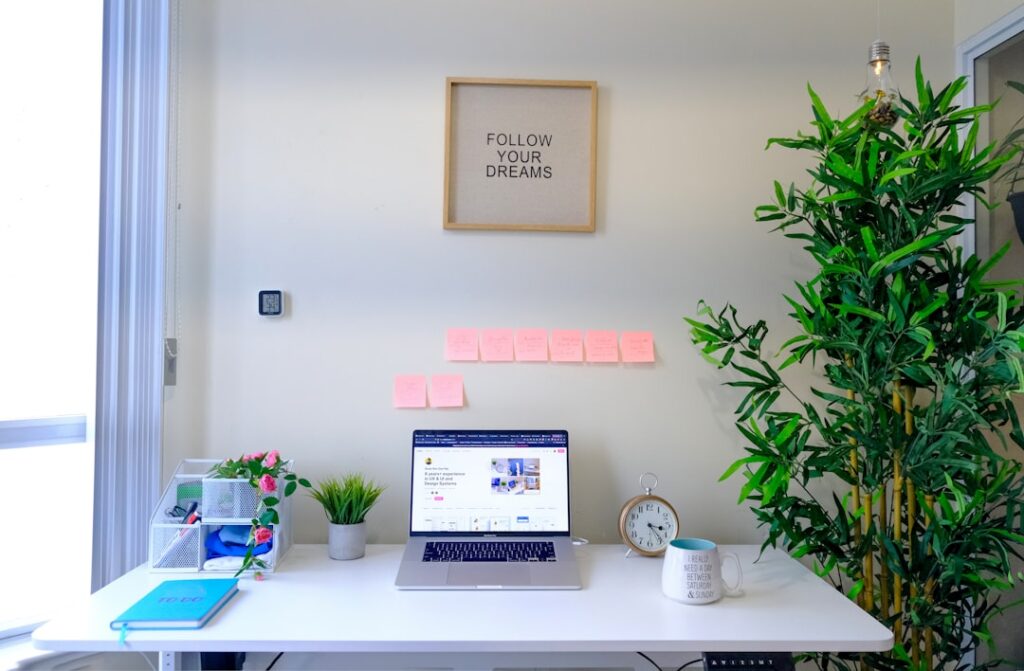
Designing your home office is an opportunity to create a sanctuary that reflects your personality and meets your work needs. You should consider how the layout, color scheme, and decor can influence your productivity and mood. A well-designed workspace can inspire creativity and focus, making it essential to invest time in crafting an environment that feels both comfortable and functional. Think about incorporating elements that resonate with you, such as artwork, plants, or personal mementos that spark joy.
When designing your home office, pay attention to the arrangement of furniture and the flow of the space. You might want to position your desk near a window to take advantage of natural light, which can boost your energy levels and enhance your mood. Additionally, consider using calming colors like soft blues or greens to create a serene atmosphere. By thoughtfully designing your workspace, you can transform it into a haven where you feel motivated and inspired to tackle your tasks.
Decluttering and Organizing Your Workspace
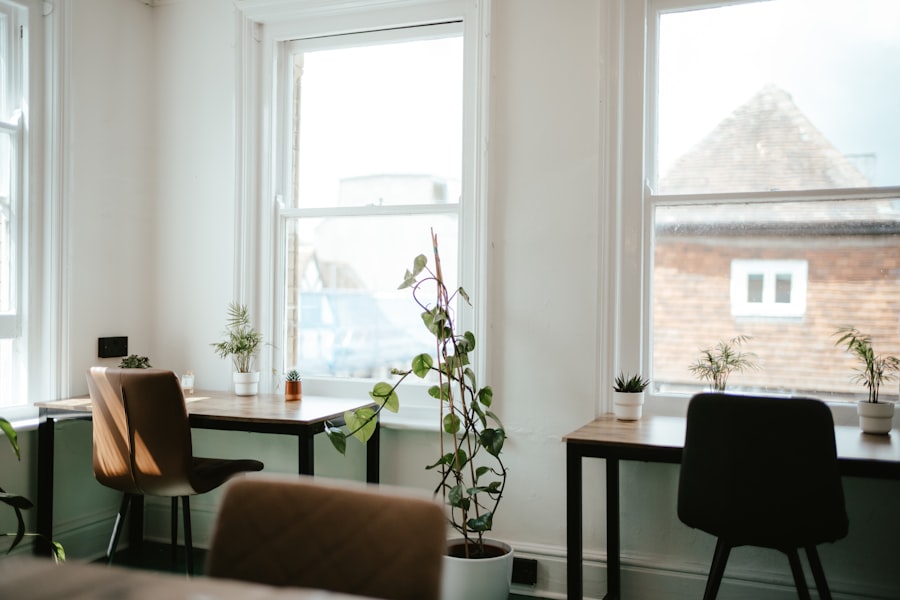
A cluttered workspace can lead to a cluttered mind, making it essential to declutter and organize your environment regularly. You may find that taking the time to sort through papers, supplies, and other items can significantly enhance your focus and productivity. Start by assessing what items are essential for your daily tasks and what can be discarded or stored away. This process not only clears physical space but also creates mental clarity.
Once you’ve decluttered, consider implementing organizational systems that work for you. You might use labeled bins or drawer organizers to keep similar items together, making it easier to find what you need when you need it. Establishing a routine for maintaining organization will help prevent clutter from accumulating in the future. By creating an orderly workspace, you set the stage for increased efficiency and a more enjoyable work experience.
Incorporating Natural Elements for a Calming Environment
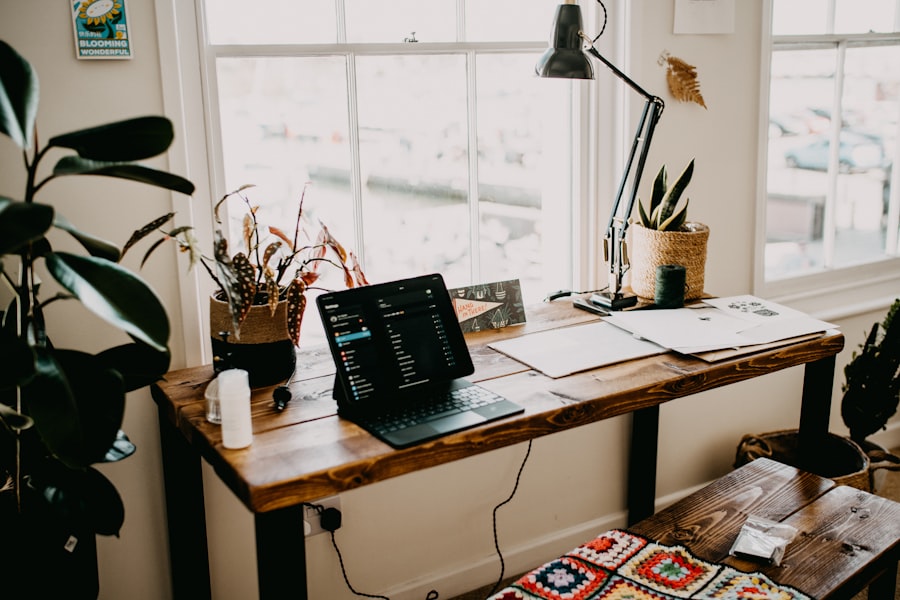
Bringing natural elements into your workspace can significantly enhance its calming qualities. You might consider adding plants, which not only improve air quality but also create a sense of tranquility. Studies have shown that greenery can reduce stress levels and increase feelings of well-being. Choose low-maintenance plants like succulents or snake plants if you’re concerned about upkeep; they can thrive in various conditions while adding a touch of nature to your office.
In addition to plants, think about incorporating natural materials into your decor. Wooden furniture or bamboo accessories can create a warm and inviting atmosphere. You might also consider using natural light as much as possible; opening curtains or blinds during the day can help you feel more connected to the outside world. By integrating these elements into your workspace, you cultivate an environment that promotes relaxation and focus.
In the pursuit of creating a serene and productive home office environment, many individuals are turning to resources that emphasize wellness and balance. One such article that complements “The Me Time Method: Creating a Sanctuary: Home Office Wellness Tips” is focused on the importance of diversity, equity, and inclusion in the workplace. This piece highlights how fostering an inclusive environment can significantly enhance employee well-being and productivity. To explore this further, you can read the article on diversity, equity, and inclusion practices that can be integrated into your home office setup.
Ergonomic Tips for a Healthy Work Space
| Wellness Tips | Details |
|---|---|
| 1. Declutter Your Space | Remove unnecessary items to create a calming environment |
| 2. Incorporate Plants | Add greenery to improve air quality and reduce stress |
| 3. Use Natural Light | Position your workspace near windows for natural light |
| 4. Ergonomic Furniture | Invest in a comfortable chair and desk to support good posture |
| 5. Personalize Your Space | Add personal touches to make the space feel inviting |
Creating an ergonomic workspace is crucial for maintaining physical health while you work. You may not realize how much poor posture or uncomfortable seating can affect your well-being over time. Start by ensuring that your chair provides adequate support for your lower back; an adjustable chair can help you find the perfect height for your desk. Your feet should rest flat on the ground or on a footrest, promoting proper alignment.
Additionally, pay attention to the positioning of your computer screen. Ideally, the top of the screen should be at eye level, allowing you to maintain a neutral neck position while working. You might also consider using an external keyboard and mouse to keep your wrists in a comfortable position. By implementing these ergonomic tips, you can create a healthier workspace that minimizes discomfort and reduces the risk of injury.
In the pursuit of a balanced work-life dynamic, exploring various strategies can greatly enhance your home office experience. One insightful resource that complements the ideas presented in The Me Time Method: Creating a Sanctuary: Home Office Wellness Tips is an article on strategic business consulting. This piece delves into how effective planning and organization can lead to a more productive and harmonious workspace. For more information, you can read the full article here.
Setting Boundaries and Establishing a Routine
Establishing boundaries is essential when working from home to maintain a healthy work-life balance. You may find it challenging to separate work from personal life without clear guidelines in place. Start by setting specific work hours and communicating them to family members or housemates. This practice helps create an environment where others respect your time and space while allowing you to focus on your tasks.
In addition to setting boundaries, developing a routine can enhance your productivity and provide structure to your day. Consider starting each day with a morning ritual that prepares you for work—this could include meditation, exercise, or simply enjoying a cup of coffee in peace. By establishing a consistent routine, you signal to yourself when it’s time to work and when it’s time to relax, fostering a sense of balance in your life.
Mindfulness and Meditation Practices for Stress Relief
Incorporating mindfulness and meditation practices into your daily routine can be incredibly beneficial for managing stress. You might start by dedicating just a few minutes each day to sit quietly and focus on your breath. This simple practice can help ground you in the present moment, allowing you to release tension and clear your mind before diving into work tasks.
As you become more comfortable with mindfulness techniques, consider exploring guided meditations or mindfulness apps that offer structured sessions tailored to various needs—whether it’s stress relief, focus enhancement, or emotional balance. By making mindfulness a regular part of your day, you cultivate resilience against stressors and create a more peaceful mindset that enhances both your personal and professional life.
Incorporating Movement and Exercise into Your Workday
Sitting for prolonged periods can take a toll on both your physical health and mental well-being. To counteract this effect, it’s essential to incorporate movement into your workday actively. You might set reminders to stand up and stretch every hour or take short walks around your home or office space during breaks. These small actions can help improve circulation and boost energy levels throughout the day.
Additionally, consider integrating more structured exercise into your routine. Whether it’s a quick workout session during lunch or an evening yoga class, finding ways to stay active will benefit both your body and mind. Exercise releases endorphins that elevate mood and reduce stress levels, making it an invaluable component of maintaining overall well-being while working from home.
Nourishing Your Body with Healthy Snacks and Meals
What you consume during the workday plays a significant role in how you feel both physically and mentally. You may find that opting for healthy snacks and meals can enhance your energy levels and focus throughout the day. Instead of reaching for sugary treats or processed foods that lead to energy crashes, consider preparing nutritious options like fruits, nuts, yogurt, or whole-grain snacks.
Meal prepping is another effective strategy for ensuring that you have healthy options readily available during busy workdays. By dedicating some time each week to prepare balanced meals filled with lean proteins, whole grains, and plenty of vegetables, you’ll set yourself up for success in maintaining energy levels and concentration while working from home.
Setting Up a Relaxation Corner for Breaks
Creating a designated relaxation corner in your home office can provide an essential space for rejuvenation during breaks. You might choose a cozy chair or bean bag where you can unwind with a book or listen to calming music. Adding soft lighting or decorative elements like cushions or throws can make this corner inviting and comfortable.
This relaxation corner serves as a reminder to take breaks throughout the day—stepping away from work allows you to recharge mentally and physically. Whether it’s enjoying a few moments of quiet reflection or engaging in light stretching exercises, having this dedicated space encourages you to prioritize self-care amidst your busy schedule.
Establishing a Digital Detox and Unplugging from Technology
In our technology-driven world, it’s easy to become overwhelmed by constant notifications and digital distractions. Establishing a digital detox is crucial for maintaining mental clarity and reducing stress levels. You might start by designating specific times during the day when you’ll unplug from devices—this could be during meals or before bedtime—to create boundaries around technology use.
Consider exploring activities that don’t involve screens during these detox periods—reading a book, going for a walk in nature, or engaging in creative hobbies can provide refreshing alternatives that promote relaxation and mindfulness. By consciously unplugging from technology, you allow yourself the space needed to recharge mentally while fostering deeper connections with yourself and those around you.
In conclusion, prioritizing me time is essential for achieving balance in today’s hectic world. By creating an inviting workspace that incorporates natural elements, ergonomic design, mindfulness practices, movement, healthy eating habits, relaxation spaces, and digital detoxes, you empower yourself to thrive both personally and professionally. Embrace these strategies as tools for cultivating well-being in every aspect of your life.