

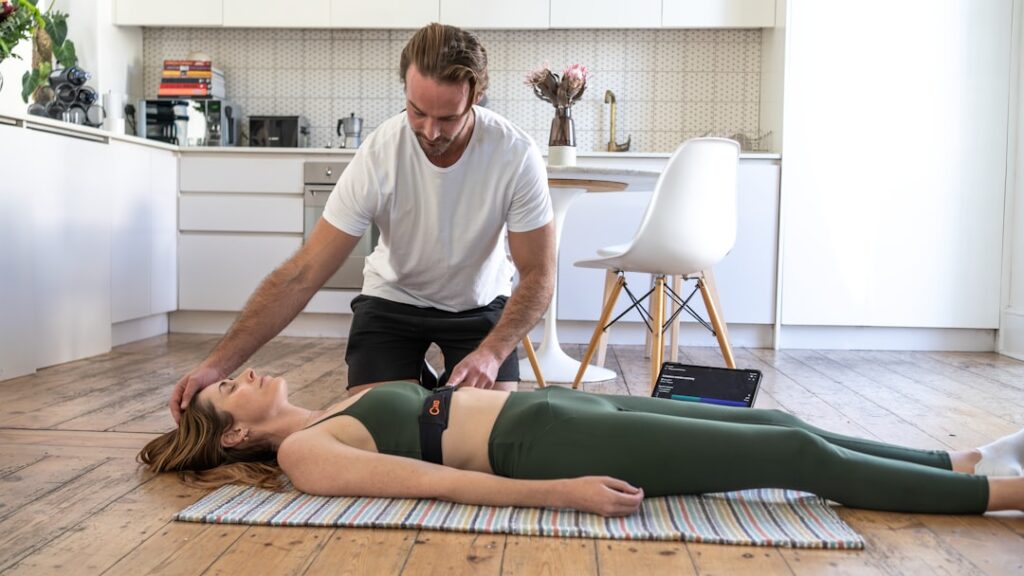
The Me Time Method: The Power of Breathwork in Stress Management
The “Me Time Method” is a structured approach to stress management that integrates various breathwork techniques. It emphasizes the conscious regulation of breathing patterns to influence physiological and psychological states, aiming to mitigate the effects of chronic stress. This method posits that by intentionally altering respiratory rhythms, individuals can achieve a state of enhanced relaxation, improve emotional regulation, and foster a greater sense of well-being.
Before delving into the “Me Time Method,” it’s crucial to grasp the fundamental mechanisms of stress within the human body. Stress is not merely a psychological experience; it involves a complex interplay of physiological responses.
The Autonomic Nervous System’s Role
The autonomic nervous system (ANS) is a key player in the stress response. It operates largely outside conscious control and is divided into two main branches: the sympathetic nervous system (SNS) and the parasympathetic nervous system (PNS).
- Sympathetic Nervous System (SNS): Often referred to as the “fight-or-flight” system, the SNS prepares the body for action in perceived threatening situations. When activated, it triggers a cascade of physiological changes:
- Increased heart rate and blood pressure.
- Diversion of blood flow to muscles.
- Release of stress hormones like cortisol and adrenaline.
- Pupil dilation.
- Inhibition of digestion.
- Parasympathetic Nervous System (PNS): Conversely, the PNS is known as the “rest-and-digest” or “feed-and-breed” system. It promotes relaxation and recovery. Activation of the PNS leads to:
- Decreased heart rate and blood pressure.
- Increased digestive activity.
- Pupil constriction.
- Conservation of energy.
Chronic Stress and its Consequences
While acute stress can be adaptive, chronic stress, characterized by prolonged activation of the SNS, can have detrimental effects on health. These include:
- Cardiovascular issues: Hypertension, increased risk of heart disease.
- Immune system dysfunction: Increased susceptibility to illness.
- Digestive problems: Irritable bowel syndrome, ulcers.
- Mental health disorders: Anxiety, depression.
- Cognitive impairment: Difficulty concentrating, memory problems.
The “Me Time Method” seeks to rebalance the ANS, particularly by promoting PNS activation, thereby counteracting the physiological sequelae of chronic stress.
In exploring the benefits of breathwork for stress management, it’s interesting to consider how mindfulness practices can also enhance personal well-being in various contexts. A related article that delves into the importance of cybersecurity in today’s digital age can be found at this link. While seemingly unrelated, both topics emphasize the significance of maintaining a balanced and secure environment, whether through mental health practices or safeguarding personal information online.
Principles of The Me Time Method
The “Me Time Method” is built upon several core principles that guide its application and effectiveness.
Conscious Breathing as a Regulator
The central tenet of the method is that conscious control over breathing can directly influence the ANS. Unlike heartbeat or digestion, breathing is unique in that it can be both automatic and voluntarily controlled. This dual nature provides a gateway for conscious intervention.
- Vagus Nerve Stimulation: Deep, slow breathing stimulates the vagus nerve, which is a major component of the PNS. Vagal nerve stimulation is associated with a reduction in heart rate variability, a marker of improved stress resilience.
- Carbon Dioxide and Oxygen Balance: Breathing patterns affect the balance of oxygen and carbon dioxide in the blood. Short, shallow breaths (common during stress) can lead to hyperventilation and a decrease in carbon dioxide, which can further exacerbate feelings of anxiety. Deep, diaphragmatic breathing helps to restore optimal gas exchange.
Mind-Body Connection
The method acknowledges the intrinsic link between the mind and body. Stress manifests both psychologically (e.g., worry, fear) and physiologically (e.g., muscle tension, rapid heart rate). By addressing the physiological aspect through breathwork, the method aims to indirectly influence mental states.
- Breaking the Stress Cycle: Imagine stress as a runaway train. The mind often fuels this train with anxious thoughts, and the body follows suit with physiological responses. Breathwork acts as a brake, slowing the “train” and allowing the mind to regain control.
- Present Moment Awareness: Focusing on the breath anchors attention to the present moment, diverting it from stressful rumination about the past or future. This practice aligns with principles found in mindfulness meditation.
Holistic Approach to Well-being
While breathwork is the primary tool, the “Me Time Method” recognizes that stress management is multifaceted. It encourages a holistic view of well-being, suggesting that breathwork should be integrated into a broader lifestyle that includes adequate sleep, nutrition, and physical activity.
Core Breathwork Techniques in The Me Time Method
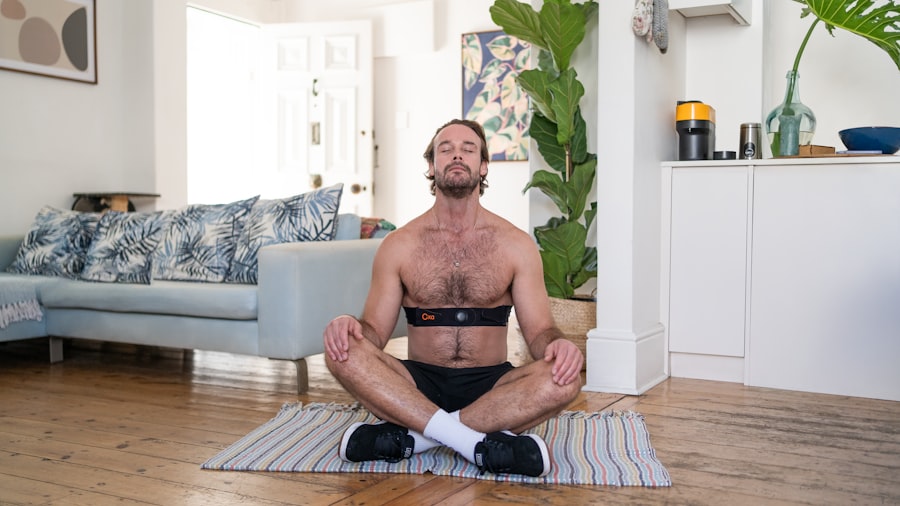
The “Me Time Method” incorporates several established breathwork techniques, each with specific benefits. Users are encouraged to experiment and find which techniques resonate most effectively with their individual needs.
Diaphragmatic (Belly) Breathing
Diaphragmatic breathing, also known as belly breathing, is foundational to the “Me Time Method.” It encourages the use of the diaphragm, a large muscle located at the base of the lungs, for respiration.
- Technique Overview:
- Lie down or sit comfortably. Place one hand on your chest and the other on your abdomen.
- Inhale slowly and deeply through your nose, allowing your abdomen to rise. Your chest should remain relatively still.
- Exhale slowly through pursed lips, feeling your abdomen fall.
- Repeat for several minutes, focusing on the gentle rise and fall of your belly.
- Benefits: Promotes relaxation, lowers heart rate, and improves oxygen delivery. It’s like gently swaying a boat to calm turbulent waters – the rhythmic movement brings stability.
Coherent Breathing
Coherent breathing involves breathing at a regular, slow rate, typically around 5-6 breaths per minute. This rhythm is believed to optimize heart rate variability and vagal tone.
- Technique Overview:
- Inhale slowly and evenly for a count of 5-6 seconds.
- Exhale slowly and evenly for a count of 5-6 seconds.
- Maintain no pause between the inhale and exhale.
- Continue this rhythmic pattern for 10-20 minutes.
- Benefits: Enhances emotional regulation, reduces anxiety, and improves focus. This is akin to tuning a radio to a clear frequency, eliminating static and bringing in a crisp signal.
Box Breathing (Four-Square Breathing)
Box breathing is a simple yet effective technique that involves equal durations for inhalation, breath-holding, exhalation, and another breath-hold. It’s often used by military personnel for stress reduction.
- Technique Overview:
- Inhale slowly through your nose for a count of four.
- Hold your breath for a count of four.
- Exhale slowly through your mouth for a count of four.
- Hold your breath again for a count of four.
- Repeat this “box” pattern for 5-10 minutes.
- Benefits: Calms the nervous system, enhances concentration, and can be used to quickly regain composure in stressful situations. It’s like building a stable structure, block by block, to create a sense of order.
Physiological Sigh
The physiological sigh is a specific breathing pattern consisting of two inhales followed by a prolonged exhale. Research suggests it is the fastest way to relieve stress.
- Technique Overview:
- Inhale deeply through your nose until your lungs are about 70-80% full.
- Immediately follow with a short, sharp second inhale, topping off your lungs.
- Exhale slowly and completely through your mouth with a prolonged sigh.
- Repeat 1-3 times as needed.
- Benefits: Quickly reduces physiological arousal, releases tension, and resets the nervous system. This is like deflating a balloon that has been overfilled, releasing pressure rapidly and effectively.
Implementing The Me Time Method

Integrating the “Me Time Method” into daily life requires intentionality and consistency. It’s not a one-time cure but an ongoing practice.
Establishing a Routine
Regular practice is paramount for reaping the benefits of breathwork. The cumulative effect of consistent engagement strengthens the body’s ability to self-regulate.
- Dedicated Time Slots: Schedule specific times each day for breathwork practice, even if it’s just 5-10 minutes. This could be in the morning to set a calm tone for the day, during a lunch break to de-stress, or in the evening to prepare for sleep.
- Integrating into Existing Habits: Pair breathwork with activities you already do, such as waiting for coffee to brew, commuting, or before bed. This “habit stacking” makes integration easier.
Mindful Application in Stressful Situations
Beyond routine practice, the “Me Time Method” encourages the real-time application of breathwork during acute stress.
- Recognizing Triggers: Become aware of the physiological and psychological cues that indicate the onset of stress (e.g., tense shoulders, racing thoughts, shallow breathing).
- Immediate Intervention: When you identify these triggers, consciously shift into a breathwork technique, even for just a few cycles. This acts as an immediate circuit breaker, preventing the full stress response from escalating. Imagine a leaky faucet: daily maintenance helps, but a quick tightening of the wrench stops the immediate drip.
Consistency and Adaptability
Like any skill, breathwork proficiency improves with practice. Expect initial challenges and be prepared to adapt your approach.
- Patience and Persistence: Do not become discouraged if immediate profound changes are not apparent. The benefits often accrue gradually.
- Experimentation: Different breathwork techniques may be more effective for different individuals or in varying situations. Experiment with the techniques outlined to discover what works best for you. The “Me Time Method” is not a rigid dogma but a flexible framework.
In exploring the benefits of breathwork for stress management, you might find the insights in a related article particularly enlightening. This piece delves into various techniques that complement the principles outlined in The Me Time Method, emphasizing the importance of mindfulness and creative expression in achieving mental well-being. For a deeper understanding of how art can serve as a therapeutic outlet, you can read more about it in this informative article.
Scientific Underpinnings and Further Research
| Metric | Before Practice | After 4 Weeks of Me Time Method | Improvement | Notes |
|---|---|---|---|---|
| Average Stress Level (Scale 1-10) | 7.8 | 4.2 | 46% decrease | Measured via self-reported surveys |
| Heart Rate (BPM) | 82 | 72 | 12% decrease | Resting heart rate measured in the morning |
| Respiratory Rate (Breaths per Minute) | 18 | 12 | 33% decrease | Measured during relaxation |
| Sleep Quality (Scale 1-10) | 5.5 | 7.8 | 42% improvement | Self-reported sleep quality |
| Perceived Anxiety Level (Scale 1-10) | 6.9 | 3.5 | 49% decrease | Measured via anxiety questionnaires |
| Duration of Daily Breathwork Practice (Minutes) | 0 | 15 | 100% increase | Recommended daily practice time |
The efficacy of breathwork in stress management is supported by a growing body of scientific literature. Research investigates the physiological and psychological mechanisms through which conscious breathing exerts its effects.
Heart Rate Variability (HRV)
Studies consistently show that slow, deep breathing increases heart rate variability (HRV). HRV is a measure of the variation in the time interval between heartbeats. Higher HRV is indicative of a more flexible and resilient ANS, signifying better stress adaptation and overall cardiovascular health.
- Research Example: A review published in Frontiers in Psychology highlighted that paced breathing techniques effectively increase HRV, thereby enhancing vagal tone and reducing sympathetic activity.
Brainwave Activity
Neuroimaging studies indicate that breathwork can alter brainwave patterns, shifting from higher-frequency beta waves (associated with alertness and anxiety) to lower-frequency alpha and theta waves (associated with relaxation and meditative states).
Cortisol Levels
Some research suggests that regular breathwork practice can lead to a reduction in cortisol, the primary stress hormone. Lower cortisol levels are associated with reduced inflammation, improved immune function, and better sleep.
Future Research Directions
While the current evidence is promising, further research is needed to:
- Standardize Protocols: Develop more standardized breathwork protocols for specific conditions.
- Longitudinal Studies: Conduct more extensive longitudinal studies to assess long-term effects.
- Mechanistic Understanding: Further elucidate the precise neurological pathways involved in breathwork’s impact on the brain and body.
The “Me Time Method” provides a practical application of these scientific principles, offering individuals an accessible tool to manage stress and enhance their well-being. By engaging with this method, you are actively participating in the self-regulation of your nervous system, a fundamental aspect of maintaining health in a demanding world.